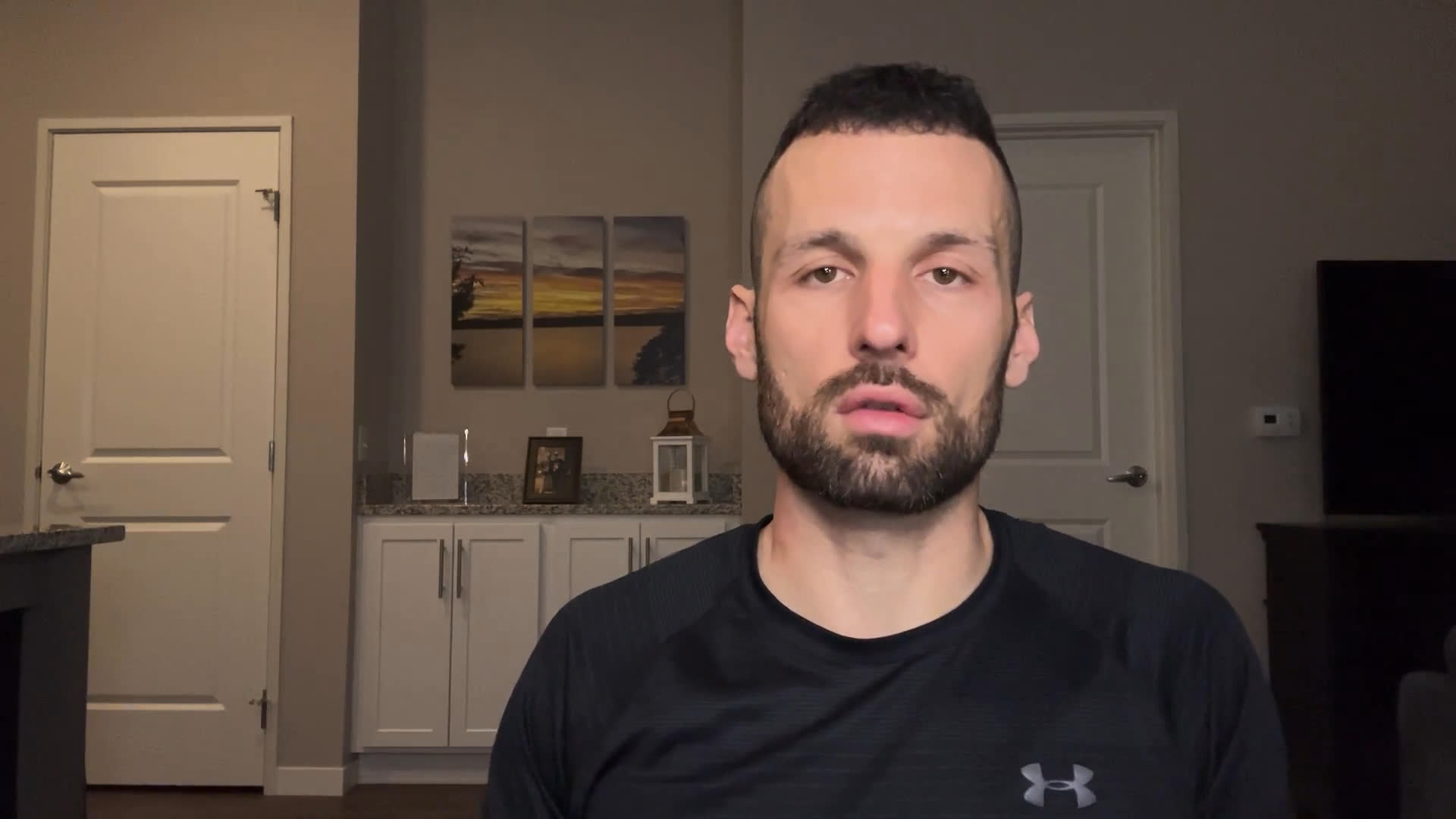
Join me as we dive into the final pillar of this series - Purpose - and discuss finding and, more importantly, aligning with purpose in life.
Jason Lennox: My purpose is to use my experiences, both good and bad, to continue to change the world for the better. He says there are two different paths to finding purpose, professional and personal. This is the last of a four part series called the four Pillars of recovery.
How do I align with my purpose? It's one thing to know what I'm here to do and to be clear on that. It's another thing to align with that. Four of the top five things people regretted were things they didn't do. For me, purpose fulfills so much of that.
So purpose is the fourth and final pillar. Home, health, community and purpose. Those are four critical spaces inside this world of recovery. Thanks for listening into this series and more to come soon.
If I asked you to articulate your purpose in one statement, that's something you could do. I know I can. I did this just a few seconds before I started recording here. I would say my purpose is to use my experiences, both good and bad, to continue to change the world for the better. My name is Jason Lennox. I am your resident recovery champion. I'm here to talk to you about everything. Recovery, mental health, wellness. I believe we're all in some version of recovery, and I'm grateful to be here.
And this is the last of a four part series called the four Pillars of recovery, which is derived from SAMHSA, a federal entity that funds and educates and trains the substance use and mental health space. And this pillar is. Is probably my favorite purpose. And it really relates to, as you been seeing, if you've been watching some of the other videos, I've been tying them to Maslow's hierarchy. This is the top of the hierarchy. This is purpose. This is self actualization, really understanding what it is that I am here in this world to do and putting that to use.
And I think inside this space of purpose, there are two different. There are two distinct paths, and sometimes they blend. In my case, I believe they do, but there's professional, and then there's personal, in my opinion. And when they can blend, I think they could be great. But let me just share a little more about what I mean. Not everybody has a purpose to go and do the work in the substance use space and do big things. Some people just want to find a job that they're satisfied with and continue on doing that during the day and then build a purposeful, meaningful life outside of that with family, things like that.
Might have ten kids, twelve kids. So there's just a different path there, sometimes to the purpose, and again, professional and personal. I've been fortunate that I think I've blended those because of my experience with recovery and substance use, and that's the space I work in. And I believe it ties so much to overall wellness and family and love. I kind of mash it all together. But, you know, thinking about work and professionally, there was a survey done, and overall, across the board, with job satisfaction, 51% of people were satisfied.
So that means, you know, that's more than half, but 49% were not. Overall, across the board, there are certain components they might have been happy with, but 49% couldn't say. Overall, they were good with their job, and so there's a lot to be desired there. And again, maybe that tells you that there's just a lot of people that have that purpose outside of work, but there's also a personal purpose and meaning and finding that. And they did a study on people who found purpose and who identified with a purpose in life and went down that path.
And according to the study, I won't get into statistical measures or anything, but think about one standard deviation. So here's the average, and then one step away from that average, people who fell below the average, they decreased the decreased the likelihood that they would lose their life over the next 14 years. Let me state it differently. Here's the average person. For every step above that average person that somebody can find purpose over the next 14 years, your chances of dying go down 15%.
So significant, in my opinion. And so I really think finding purpose, and that comes over time, and it changes over time. But hopefully, we continue to explore and understand ways in which we can try to get at that purpose. And then I want to talk a little bit that's establishing purpose. And there's a second component, which is really, how do I align with my purpose? Because it's one thing to know what I'm here to do and to be, you know, very clear on that. It's another thing to align with that.
And I'll tell the story like this. I use this visual a lot. As a kid, I had all these dreams and the purpose that was in my mind and what I was going to do in this life. And it took me on a trajectory like this. But actually, my life went like this because of, you know, struggles at home, mental health, and into substance use. And things just got worse. And then I'm hurting people. And so I just kept getting further and further away from the person that I knew I could be, from that purpose, from that meaning.
And that created what I call a gap of pain. It was a gap that made me seek external material, substances, whatever it was, to soothe that pain. And so that gap of pain was created, and that turns into regret and all sorts of other things. And there was a study done, actually, Bronnie Ware is her name, and she wrote a book, and she did a study, and she got in touch with a lot of people who were close to death, and she was studying regret. She wanted to understand, what do people most regret, especially when they're nearing deaths, on their deathbed, things of that sort.
And funny enough, of the top five reasons, the top five things that people regretted, four of them were actually things that they regretted because they didn't do. So they weren't like. It's easy to think about, oh, I shouldn't have done that. I shouldn't have done this. But these four of the five items, top five items were actually, I wish I had allowed myself to follow my purpose. I wish I had allowed myself to be happier. And so four things that I wish I would have done. And for me, purpose, it fulfills so much of that.
And what it does when I can align with purpose, I'll end with this, is that when I go to bed at night and I put my. My head down in the pillow, I fall asleep quickly because there's not a lot going on up here that tells me I should have done this, I shouldn't have done this, should have, shouldn't have. Some of that happens. I'm human. Yes, it's a daily occurrence, but for the most part, I understand what my purpose is, to use my experiences, good and bad, to help change the world. And then I put 1ft in front of the other and do that.
When I can do that, I don't have that gap of pain. There's not a lot of remorse, regret, and I can sleep pretty dang well at night. So hopefully you can articulate that and maybe, you know, if not, you can discover a little bit. Would be happy to chat a little about where to start there. I know that can be hard and it can be challenging, but sometimes it's just experimenting. What is it I like doing? What is it I don't like doing? And eventually we get there. So purpose is the fourth and final pillar.
I hope you've enjoyed the four part series, home, health, community and purpose. Those are four critical spaces inside this world of recovery that we'll dive deeper into. So we'll see you soon. Thanks for listening into this series and more to come soon.
Reactions and comments are for members. Joining is free and takes a minute.