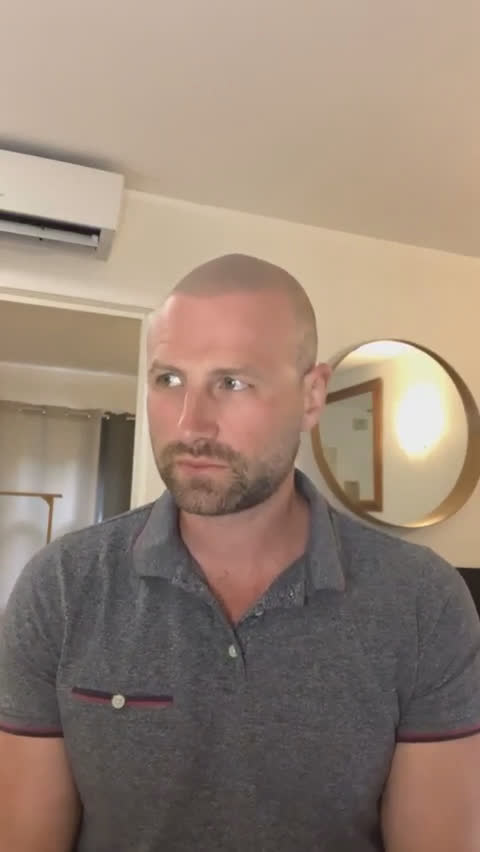
Today we are doing another episode of Mental Health Matters, except you bring the topics for me to answer. This usually makes for a lively and fun conversation, so come join and contribute your questions or experiences. Feel free to put any questions in advance on the community feed and tag me whether you are joining live or watching later.
Evan: This is the ask me anything episode where anyone could come in, ask me any question about mental health, addiction. If you have any questions aboutmental health and addiction, please let me know, and I'll answer it.
Cadre: First question is related to trauma and memory loss. Why do some people have memory loss? Jules: There are a few different reasons for why. Sometimes our memories are distorted, especially when you go through trauma. Next Cadre video will be about controversies in mental health.
For most people, about half of their waking hours involve work. One of the highest burnout fields is, like, working in addiction and addiction therapy. Find a job you don't hate, because that's when you get into those toxic situations. Here are three or five causes of work burnout and five solutions to it.
If it's like an irredeemably toxic environment, you know, just think about it like a relationship. Talk to your boss about switching up, seeing if there's new projects, new challenges. And very often when you do that, something better will come up.
What's up, folks? Welcome back to mental health matters, where we discuss issues around mental health, addiction. And because mental health matters, it is important that we talk about many of these things. I'm Evan, your resident mental health and addiction therapist. This is the ask me anything episode where anyone could come in, ask me any question about mental health, addiction. I've also collected some from folks on Cadre, social media things people have asked me. So here's the opportunity. And.
Yeah, awesome. So let's see if folks come in. Oh, nice. Welcome, Shelbi. If you have any questions about mental health and addiction, please let me know, and I'll answer it. I mean, it may be a bad answer, but I think it'll be pretty good. Good. But anyway, let's see what I have prepared today. Hopefully we've got some more joiners. Now, the first question I got is in related to trauma and memory loss. And I may have touched upon this a little bit last time, but I've gotten more questions about that of, like, why, and if that's the case, and if you've been through something traumatic that you maybe have memory loss about it.
The answer is absolutely. And there's a few different reasons for why. A lot of times, individuals who have been through severe childhood trauma, I won't go into some of the examples of that, but you can use your imagination. Sometimes they have, like, a dissociative response, meaning like a disconnect from reality, meaning, like, your brain is actually protecting you from such a horrible experience. You know, that it's like, almost like, feels like it's happening to someone else. And that's really important for that individual who's going through that, because it's just so overwhelming that their mind dissociates.
And if this happens too much, very often, this is what leads to things like dissociative identity disorder. Multiple personalities assess, essentially, is a form of, like, severe dissociation. So you hear about that a lot when folks talk about trauma as this element of dissociation, and that can last. So memory loss is a form of it. Like, there's a disorder in and of itself called dissociative amnesia. So that is a form of dissociation for getting. And sometimes, again, your brain does this for a reason, probably important to forget.
Now, when you're going back to process trauma, a lot of times it is important to be able to recall certain things, because just because you don't remember it doesn't mean it doesn't impact you. That is where we're getting a little bit, like, theoretical. But, you know, and sometimes as you go through trauma therapy, like, new memories will come up. Now the question is, like, how accurate are these memories? Sometimes they are very much accurate. We're like, holy crap, that happened. And I totally forgot about it.
And it's real. Sometimes they could, you know, we do have false memories, and our memories are almost always distorted, especially when you go through something like trauma. The memory loss may not be a loss of memory, the full event, but, you know, some of the details where what. But often the generalities are going to be real with it, you know, then. Yeah. So at any point. Yes, sometimes, like, under violent situations, like, you may have memory loss from head trauma if you've been in a severe accident or assault or something like that.
So there are, like, many reasons why people may have trouble remembering recalling certain events of the trauma. Probably most frequently, it is this dissociative response that happens. So that. Is that another question? So I've been seeing some videos out there that have been pretty interesting, and I've made some videos around this as well. And maybe I'll do this for my next batch of Cadre videos, too, but it'll be about, like, controversies in mental health. And that's something like we don't talk about very often.
You know, sometimes it's kind of left between therapists as far as different theories around therapy or different beliefs. And there were some that I heard another fellow creator talk about that I thought was funny. And some of these I didn't even realize were controversial. Like, for example, you know, if a client is crying, should we give them a tissue? Should we have? Now, I know some may say, well, you're just kind of helping them out and giving them a box of tissues. And maybe some people think, like, well, that's maybe you demonstrating that it's making you uncomfortable, that they're crying, and so you're just trying to, like, stop it in a way.
But I don't look at it that way. I think, you know, pretty traditionally, you give the box a tissue just so you don't get snot all over yourself. And nobody really likes feeling that. So, you know, some other ones, you know, sometimes things have gotten more political nowadays, so, you know, how much of that should be involved, and I won't get deep into that, but, you know, you do have, like, controversies there. Well, let's take a break, and Jules, answer your question. Okay, so this is an interesting one.
So I. And I'll give you my answer. And this is such a common question, and I made a video about this, because how many people have asked, so go after this. Go check out my video. And I think it's like three or five causes of work burnout and three or five solutions to it. And I think we had this come up in a live stream, too, recently. So go check that video out and I'll see what I could, like, remember off the top of my head. So what causes it? Oh, you did watch it. Okay, so maybe I'll go because someone commented, maybe those you who commented on it, I saw someone watched it, but hey, may as well go over it again.
So some of the reasons, like, I remember, like, because I work, I mean, obviously as a therapist, that's often a topic of conversation, is work. For most people, you know, about half, maybe a little under half, if not about half your waking hours involve work and trying to make ends meet, and it's necessary unless you have a grandfather that's like an oil tycoon and family money like that, most of us don't, and we got to work. And so it's really important that you have. Often, when I give people, let's say, career advice or something, like, there's a lot of advice out there where it's like, find something you're passionate about or that you love and that you wake up every day and you're excited about.
Now, that's great. But the reality is that's probably not going to be the case for most people. So my little quip is that at the very least, find a job you don't hate, because that's when you get into those toxic situations where it bleeds outside of the work you do. So finding a job you don't hate, that you don't wake up and dread every single day, because a job sometimes is a job. You know, we don't always, like, have that luxury. I'm pretty lucky that I really enjoy what I do. It's not, I mean, of course there's things within the job that I'd rather not do, dealing with insurance stuff or blah, blah, blah.
But what was I getting at with that? Yeah. So finding something, at that very least, that is not causing undue stress and burden. Now, sometimes you may find that job, but over time, that burnout comes from a couple things, either being overworked and that may mean something different for everybody. And often, though, like, some of these feelings of work burnout may also be due to your life outside of work. Right? If, like, you're not getting enough sleep, if you're, you know, nutrition, exercise, all that stuff, you know, it may make you look more tired.
It may make you feel, you know, like you don't have the energy to deal with the stress of that job. So sometimes focusing on that, but, you know, very often there's some pretty defined reasons why, you know, like, the nature of your job has changed. It's more work. Sometimes it's at the other end where a lot of folks I talk to are, like, bored, where they've done the same thing for a while. I remember, like, when I was training my addiction counseling training, one of our wise mentors, professors who've been in the field for 30 years, you know, like, told us, you know, would always talk about burnout because.
Because it's actually probably one of the highest burnout fields is, like, working in addiction and addiction therapy. Like, people usually don't make it very long, more than, like, a few years. And I could use that as an example because, you know, very often I find that, like, let's say with therapists, it's not the work with their clients, even though it may be difficult that burns them out, but it's with the organization. Right. If they're not feeling respected, appreciated. That is one of the biggest things because we could tolerate quite a lot.
We can be under a lot of stress. Our job could be really tough. But honestly, if we feel validated, appreciated often, like, that could be the factor as to, you know, being, like, satisfied or okay with the difficulty of what we're doing. So, like, the organization, how you feel like you're treated, obviously, like, do you feel like you're being paid a fair amount? I mean, all those things do contribute often more than just the work itself. So I find so much of those things on the periphery are really, really important.
So let's see what else. So going back to my addiction counselor professor, she said that for a while, she was getting burned out on doing direct client work, but found there are other things in the field that she was able to do, such as assessments, like just doing assessments and not the ongoing therapy piece. And she found that was really helpful to do for a few years. So kind of switching, you know, your duties within switching your duties within the same field, within the same line of work. And I know that, like, I don't remember where I heard this, but I think, like, certain companies in Japan often will do this for or sometimes, like, the jobs that may be a little bit more repetitive, where they, like, rotate people and have them do different types of roles at certain points in order to avoid that work burnout.
So, yeah. So talking to your boss about switching up, seeing if there's new projects, new challenges. And I think, like, if you're in that situation, that maybe puts you in a toxic place. Maybe it's the toxic environment itself, right? If it's like an irredeemably toxic environment, you know, just think about it like a relationship. You know, if you. If it's beyond repair, that you may want to try to find something else if possible. I know it's not always easy, but at some point, it's like, if this is, like, really making my life crap, if the money or whatever I get from it is not worth the stress and how it's impacting my personal life, maybe time to find something else.
Or at least I know a lot of people are, like, afraid of that, afraid of change. Sometimes we prefer the known. What was it? The known evil versus the unfamiliar evil. Right. Of, like, what another job could be. But, yeah, just like, being in that toxic relationship, it's like a fear of leaving that toxic relationship. You don't know who else is out there. You feel like maybe you don't deserve more, that no one else is really out there for you. And when you're outside of that, you have a friend in that situation.
You could usually always see from your perspective, like, no, get out of that really relationship. It's. It's toxic, you know, you will find someone better, and you often do. So when I have folks in the situation, I just say, like, look, don't necessarily think about, like, just leaving. Whatever. Just, like, just, like, look into it, like, see what else is out there. Do a couple interviews. And very often when you do that, something better will come up. Something like, more suited for you. The other option.
Right. Just like in relationship is like doing a little relationship kind counseling of. Now, how does that work in the job? Well, I mean, for there, I think it's just having a, like, an intimate conversation with your boss and, like, being honest about where you are, using some effective communication skills, you know, before we just leave, you know, to have that conversation. And I think very often, especially if you're valued, they will. Especially, you know, if you're in a position where, you know, we don't.
Most folks don't want staff turnover, especially if the person is good at the job, you know, to say, hey, I'm not satisfied. Here's why. Here's where I'm at. And hopefully that person, above whatever your boss or whatever you want to call them, will be able to find a solution for making it better for you. And again, that could be switching types of roles. It could be, you know, a variety of different things, different hours, whatever that may be. I find that, that if you have a boss that's like somewhat reasonable, you know, they will want to do that.
I know, like, in my situation, as I employ people, if that ever happens, like I'm, if I gonna want to work with them, especially if I value them, very rarely am I going to have someone on the team that I just like, don't like, appreciate whatever that I'm going to just like, keep on and then be like, no, not going to have any changes, like not giving you any allowances, reasonable accommodations, anything like that. So I think that's probably one of the. So it's either like, find a new job, have that vulnerable, intimate conversation with your boss about being where you're at, you know, or kind of that middle ground of looking, looking elsewhere and then also taking a look at your personal life and what are things you could change to live like a healthier lifestyle so that maybe that bleeds into work in a positive way.
Anyway, I think that's probably enough and I'll save some of these for another time. But again, if you ever have any questions, if you're like, going back and watching this, you know, you could always put a question in the community feed and tag me comment in any of my videos if you have a question. And I'll write that down and bring it next time. Anyways, folks, it's been real. As always. You're awesome. Thanks for those who participated, Jules, especially. I will see you next time, folks. Take care.
Reactions and comments are for members. Joining is free and takes a minute.