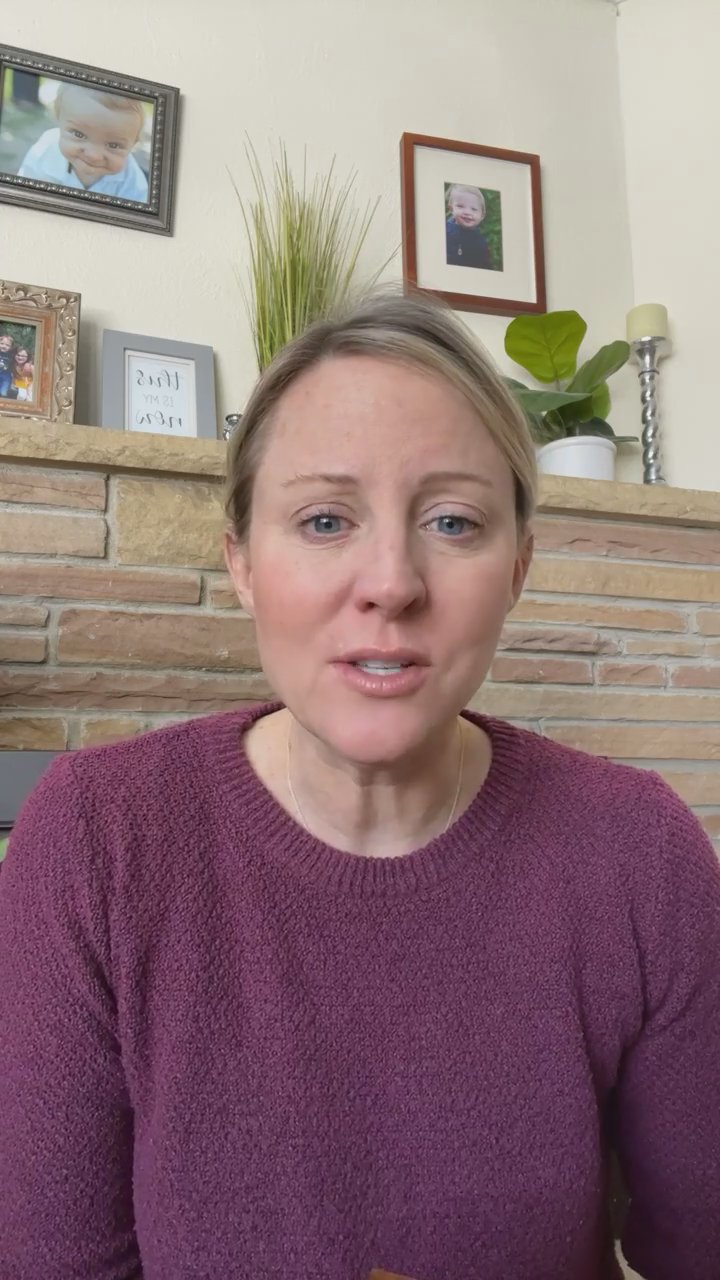
Being a caregiver can be hard to talk about with those who don’t live it. Join me to normalize all that comes with it - the good, the bad and most importantly, the real of it.
Shannon: I am recovering from being sick, so I still sound really nasally. I think we're officially spring, actually. Thank you for bearing with my snuffy nose and the sound that comes with it.
It is caregiver day on Cadre today. Shannon is a human being who lives with anxiety, CPTSD, and I parent a child with autism. Sometimes topics can be really weird and hard for people to talk about in the world. That is why I'm here on Caregiver day.
Today, we're going to talk about the difference between that's okay, and that's fine. This is a coping mechanism that I have created over the years. I do it as a way to self soothe. As a caregiver, I want to reorient that language around caregivers.
Daryl: Today is a beautiful day for caregivers. Colleen Lindstrom is coming up next. Girls mentorship is here to talk about caregiving from the perspective of people who are leaders for young girls. And last but certainly not least, Miss Shannon Paul talks about comedy through chaos.
Cadre, good morning. Hi, everybody. It is Shannon. Good morning. It is Thursday morning. I am recovering from being sick, so I still sound really nasally, which I'm sure is resonant with so many of you all out in the world as it is. Just. I think we're officially spring, actually. But anyway, I'm sure you understand. So thank you for bearing with my. My snuffy nose and the sound that comes with it. Hi. Good morning, everybody. It is caregiver day on Cadre today. It is Thursday. I am Shannon. I am here to talk about things we aren't supposed to talk about in culture.
I have self appointed myself a human who talks about things that are hard to talk about culturally, primarily, because as I went through my own life, I wanted to talk about things. I shouldn't use that. The past tense. As I go through my own life, I want to be able to talk about things. And sometimes topics can be really weird and hard for people to talk about in the world, so I do that because that's my nature. So, for those of you who haven't joined me before, again, my name is Shannon. Good morning.
Good morning, Jules. I see you guys joining. Thank you. So, I am not a clinician. I am not a mental health professional. I'm a human being who lives with anxiety, CPTSD, and I parent a child with autism. And that is why I'm here on Caregiver day. Good morning, Stephanie. Good to see you. I'm so glad you're here. Okay, so, you guys, today, what we're going to talk about, for any people who love words, word nerds, we're going to talk about the difference between that's okay, and that's fine, and I'm gonna just share with you this coping mechanism that I have created over the years.
And so, for those of you who know me and who are around me in any day to day situation, Colleen Lindstrom, who will be on after me, knows this on a mayo. Luke Wendland, they've all experienced this with me. And so if I sit around you for any amount of time, you're going to hear me say, that's okay. And I say it in that voice, right? So something will happen unexpectedly, you know, something will happen in the world, and I will say, that's okay, that's okay. And it's sort of this sing songy, talk to myself voice, right.
So I do it. I do it as a way to self soothe. And so I'm going to give you a little history as to why I do it. And yes, speak wonder. Good morning. I know you are a word nerd, which I love because you're also an english major. We're an english major. Are. We still are. So before I really started therapy, before I really realized that as a caregiver who takes care of someone else, and frankly, throughout my life, even before I was a caregiver, I did not take care of myself emotionally. I just didn't.
I didn't think about it. I'm a type a personality, and it felt very. It just made me uncomfortable. I literally, when I went into therapy and my therapist said, you know, how are you taking care of yourself? I was like, ugh, I don't. I don't even know what that means. That makes me just feel, like, weak. And I, you know, it was such a. It was hard to broach. So what I used to say, so now, like I just said, I will say, you know, it's okay, that's okay, that's okay. What I used to say years ago and what I was known for in my workplace is I would say, that's fine, that's fine, that's fine.
We'd be in meetings, I would lead teams. Something would happen, and I would say. I would say, that's fine, that's fine. And so, clearly, this is a coping mechanism. I just have as a human, as I talk to myself, which I'm assuming, hoping many of you do as well, but I want to just talk about the difference between that's fine and that's okay. And I know that seems really small, and maybe for those of you who don't care or think about the context of that, I just want to reorient I want to reorient that language around caregivers.
So when you say, that's fine, think about that's fine. How are you in culture? How are you? I'm fine, I'm fine. It's a. It's sort of a shield, right? It's sort of a block of. Yep, it's fine, it's fine, it's fine. I will manage this. I will control this. I will make this thing exactly what it needs to be. And it sounds like this, and shoulders are up, and it's fine, it's fine, it's fine, it's fine. And usually when you say, I'm fine, I'm fine, you're probably not fine. Right? And maybe you are. I'll speak for myself.
I wasn't always fine when I said, I'm fine, and that was what I said for a long time. I'm fine, I'm fine, I'm fine. So then, as I went to therapy and I learned about caring for myself, which as caregivers, I think this is a broad brush statement, but I think we all tend to take care of others before we take care of ourselves. Everyone on this call likely is fantastic at taking care of others. And then maybe not as stringent or focused on taking care of ourselves, but so, as I learned that I need to do that emotionally as a human and as a caregiver, I found myself switching my self talk from it's fine, it's fine, it's fine to that's okay.
And I truly do say it in this sing songy voice. And what I've realized as I pay more attention to it is I tend to do it in moments of caregiving, particularly when something is happening that is really hard. And so an example is there will be times where I will pick up, my son loves to eat in bed. And that's the thing. I think I've talked about it before and I will wash his sheets and I'll pick up his blanket. And again, any parent, any human can probably relate to this, but I pick it up and I say, there's stuff on it and I just have to say, that's okay, that's okay.
And I look at it and I say it to myself as I put it in the washer. And I do all the things. Something will happen unexpectedly at work and I will say, that's okay, that's okay. But what I've realized is that as I've shifted that tone and I know it's, it's all, you know, framed up in this jokey sing songy. Like, that's okay. I realized, though, that what I'm doing is I'm actually taking care of myself in that moment. Because what I'm saying is this is okay. This blanket that has stuff on it that I prefer not to be dealing with, it's okay that I am.
It is okay. It's not the end of the world. It's okay that my day gets disrupted by something and I find that what I'm really doing is I'm self talking, saying, that's okay. That's okay. I will get through this and that is okay. So again, it's a small shift, but what I feel in my body when I talk to myself and say that's okay is I actually start to believe it's okay. And it actually feels a little soothing. So if you put yourself in your caregiver role right at this moment, and you think about how you would talk to someone you're caring for, and if they were upset about something, it's likely you wouldn't say, it's fine, it's fine, it's fine, right?
You would say, it's okay, it's okay. And so you can see the difference in the tone, and you can see the difference in the intent behind the word. And so I'm definitely not saying to you all to walk around and start saying, that's okay, that's okay. But I'm saying to you in those moments, right, because I lean on that in the moments where I feel a rise in my heart, my heart rate, and I feel like a. Something I'm gonna have to manage, find something that gets you through those moments, if you can, where you take care of yourself.
And I think what I'm really reminding myself in those moments is that it is a moment, right? It's a moment. Doesn't feel great. I'm not in love with it, you know? And guess what I'm gonna say to that. That's okay. Right? Because it is okay. And whether we're caregivers or just people in the world, there's always gonna be parts of life that we don't love. But if you can find ways to take care of yourself in that small moment and say things to yourself with love and care and a kind voice, it helps.
It helped me. Maybe it could help you. If you don't end up saying it, then you can always tune into this, and I will say to you, that is okay. That's you feeling mad, sad, worried, anxious, angry. That's okay. All your stuff just fell on the floor, and it made a huge mess. That's okay, right? That is life. So I just wanted to say that to you today. Speak wonder. I have listened to every single episode of terrible things for asking. It is a fantastic podcast. Nora McInerney, the host, is actually from Minneapolis.
Yes. You all probably would love that. And thank you, Daryl. It is okay to be okay. It is okay to be okay. I love it. So thank you guys for being here. Colleen Lindstrom is coming up next. She is a dear friend of mine. She is also an autism mom, and she actually speaks from the Spanish. Spanish. The sandwich generation. I can't talk the sandwich generation. So she's caring for her mother and her son, like many of you maybe are. She's got a great perspective on sort of navigating both sides of that.
And then we have a new clinician today from the Minnesota Autism center to come and talk to us about what is Aba therapy? So that's awesome. Girls mentorship is here to talk about caregiving from the perspective of people who are leaders for young girls. Right. So how do we help shape the young women in our lives as those who care for them and lead them? And then last but certainly not least, is Miss Shannon Paul, who you have to watch. She is amazing. You know, check her out. She talks about comedy through chaos, right?
She's a comedian. And so what do we do when we have to laugh through all the chaos? So it's a beautiful day for caregivers. Great to see you all. You're doing a fantastic job. You are okay. I am okay. We are okay together. And thank you for being a part of this community here on Cadre. Have a great day, everybody.
Reactions and comments are for members. Joining is free and takes a minute.