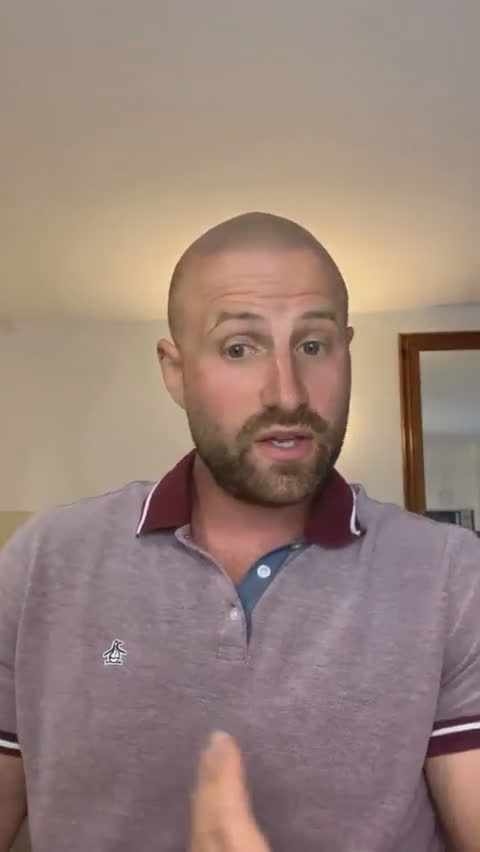
In this episode of mental health matters, I dive into so tricky territory... There are a lot of controversial topics in mental health we don't discuss but sometimes they are important to talk about and understand to decide what approach is right for you.
Evan: This is my weekly livestream, mental health matters. We talk about issues, topics around mental health and addiction. If you have any questions about mental health, addiction, put it in the community feed.
Ask me any questions about mental health addiction. Also, be sure to check out some of my pre recorded videos. I have over like 150 videos made, most of them which are on here.
Mental health expert talks about social contagion on social media. Is this phenomenon real, just like a hysterical panic? I think you are seeing rates of that go up. If you have any questions about mental health addiction, be sure to ask me.
About half of people who see social media content thinking they have a disorder actually have it, says a mental health expert. Is this beneficial? I think it's ultimately a good thing if consumed responsibly.
Social media in isolation is definitely increasing mental health challenges and substance use disorders. So, I like to try to promote the good that comes from it. There's a whole stem section now on TikTok, probably to make things a little more nutritious.
Frogtown is the only recovery cafe in Minnesota. Founder is looking for a women's sober house manager. Healthy consuming of social media, especially for younger people, is one of the biggest controversies.
Cadre wants to be, like, educational, positivity, connection, community, mental health, wellness, living a more fulfilled life. Live streams are a great way, especially for the other folks who really enjoy live streams. I'll definitely reach out.
Cadres growing. More people coming in. Bring your questions, put them in the community feed. Watch some of my videos on ADHD and chronic pain. Have a great Sunday night. Great start to your week tomorrow.
What's up, folks? Evan here, your resident mental health and addiction therapist. This is my weekly livestream, mental health matters, where we talk about issues, topics around mental health and addiction. And because mental health is important, a play on words that I always have to tell you, for whatever reason, I feel compelled to share that with you. Anyways, today is our topic week. So every other week we do a topic that I bring, and then on the other week we do an ask me anything where I bring questions you all have asked, either from the community feed, emails, or, you know, whatever.
What up, Lori? Welcome. So if you have any questions about mental health, addiction, put it in the community feed, tag me, comment on one of my videos, I'll see it, reach out and I'll be able to do that. All right, we got another person speak wonder coming in. Yeah. So if anyone's coming in, feel free. Ask me any questions about mental health addiction. What's up, JC? And I will answer that for you while I present this topic. So would love to hear any questions, comments, experience. That is great.
Also, be sure to check out some of my pre recorded videos. I have over like 150 videos made, most of them which are on here. So I have different series, whether it's managing ADHD, a full comprehensive series about addiction and mental health, about changing habits. So I have these in depth series that are part of Cadre that are here for free. If you remember, all these are here, so don't forget to check those out for me. Other of your favorite creators, a lot of that pre recorded content, sometimes you just gotta look a little bit harder for it, but it is there.
So anyway, I wanted to talk about a interesting, I like to think interesting or fun topic that's come a lot. That's come up a lot that I've seen in my work in mental health and through going through school and hearing basically different opinions, because in mental health, they find those interesting. Hear your opinion and just something to think about if you're ever getting services, going to therapy, and what vibes best with you. So maybe we could dive into a couple of those ones I've been talking about lately.
One of them is about a lot of what we're seeing on social media. Now, some of the stuff I do, maybe I'm part of the problem, but you've been hearing a lot about this. Of this, like ever since the pandemic and TikTok getting big, all these stories of, like, social contagion of people who are learning, maybe not just from professionals, but from other people who have these disorders. Like Tourette's or certain, you know, lower levels of autism or something, and then people thinking they have these, even exhibiting symptoms of these and then getting diagnosed or just diagnosing themselves.
So it's like I've been reached out to by like, new, different newspapers. You could look it up, or I'm quoted in, like, LA Times, New York Post or something that are doing these articles about primarily, like, mental health conditions being exacerbated by TikTok. And that brings up, like, a few different issues. One is like, is this phenomenon real, just like a hysterical panic or something like that? And, I mean, I think it is real. I think you are seeing rates of that go up. I've been talking to people who are not just on social media but actually working in the field who do these assessments.
And from what they're saying is they're definitely seeing this increase. They're definitely seeing how it could be a problem. But they're also saying that they're getting a bunch of these referrals. And a lot of this you're seeing, too, with the neurodivergence of ADHD and autism, like I mentioned. So these folks are going and they're getting, you know, they're seeing these creators, these influencers, these people who have it, these professionals like myself, they're learning about it, and then they're going to get diagnosed.
So for all those jumping in, we'll take a little sidebar here. If you have any questions about mental health addiction, be sure to ask me. I'll answer whatever you want. And here, here every week, Monday to talk about these things. So it's Sunday night there. So just let me know. So anyway, folks are going, they're seeing this stuff on social media. They're getting diagnosed or not. And so one of my buddies who does these mental health assessments was essentially saying that, yeah, he has seen a huge increase after this advent of more social media content being consumed.
So I was generally naturally curious, and I asked him, okay, well, how many people who are seeing this stuff on social media and diagnosing themselves or thinking that they have the disorder actually have it? And he's like, about half. So that's interesting. So then that begs the question of, okay, is this really beneficial then? Because some of these folks, let's say half of the ones who went in and got assessed, half of them saw it on social media and then all of a sudden got diagnosed and can receive services that they probably need because they actually have it now.
The other half who doesn't, well, I guess they rule it out. They know maybe they don't have it. And so I think the most important thing is, like, I think it's ultimately a good thing if consumed responsibly. And if that's something you think you have and you go get professionally tested, I think that's. That's all the better. So. Recovery cafe, frog town. Man, I miss missing St. Paul there. Tell me more. What do you. Tell me more about what you do. Are you you creator? Are you a therapist here? So social media in isolation is definitely increasing mental health challenges and substance use disorders?
Yeah, for sure. And that's what the data bears out. Now the question is, is it? Well, I think there's certain populations that are more susceptible, especially younger people. And then we saw, like, around 20, 2021, where there was just generally much more isolation, more time on social media. Some of the stuff is, like, quite toxic, and that just makes people less happy. So, I mean, I do a lot on social media, so I like to try to promote the good that comes from it. You know, I'm someone. I'm not just someone who makes content, but I'm someone who consumes it, like, maybe a little too much.
I'm definitely better about it than I used to be. But, I mean, there's a lot of stuff on social media that I like that I would deem to be more nutritious. Right. Like, let's say with, like, TikTok, you know, not everything is, like, current events and blown up, you know, social culture war. You know, stuff like that. It's, you know, you have some of this stuff on mental health. Some of the people I follow, I still learn from people. Some of my friends on there who are psychiatrists, some people who are advocates who have certain disorders I find to be helpful.
And I learn from them just like I would from my clients. You know, there's diy stuff, you know, stuff that's, like, not going to be all that controversial. And so. Yeah, like, yeah, home improvement projects. I mean, there's whole. There's a whole stem section now on TikTok, probably to try to make things a little more nutritious based on some of the backlash I've been getting. But a lot of great, like, science creators who do math stuff, sometimes I'll watch those videos where it's like, here's like, I'll go, I'm the stem feed.
And I'm, like, not super, like, into a lot of that. I'll be like, I'm not. I'm not mathematician by any means, but sometimes I just find that stuff interesting. I'll show you, like, calculation how to do, like, you know, little tricks for quick math, but I'll do these little science, you know, like, think, like, bill nye the science guy stuff. So a lot of stuff is fun and interesting, and so there's, you know, plenty of nutritious stuff on there, too, so. Okay, so you're the founder, president of Recovery Cafe, Frogtown, which is a recovery community.
Community organization. I'm a woman in long term recovery, and I'm a certified peer recovery specialist. Oh, that's so cool. I have to look into that more. That's awesome. Recovery cafe, do you serve coffee? That would attract a lot of sober people. We like our coffee to promote as well. I actually wanted to reach out to some places that do a lot of peer recovery specialists. I am looking for some peer recovery specialists to work with some of my clients because I have a mental health organization.
I have a recovery housing program. So we do a lot with addiction and then the recovery housing program. So I am looking for people who want to connect. I'm looking for a women's sober house manager. So if you know any women in long term recovery, reach out to me, I have, like, a pretty cool opportunity for them. So we could always use some extra help. So, you know, being as connected as you are, maybe we could connect outside of here. So I will probably reach out. So, yeah, that's awesome. That's cool.
You're doing good work, and feel free to tell us more about what you do, what your organization does. That's super unique and awesome, and you're doing a huge service in Frogtown. Definitely could use the help, too. So, yeah, I mean, so that's, like, one of the. One of the biggest controversies right now. Maybe hearing a little bit less about. I think things have calmed down a little bit in that world where I think it's like, let's say cars are invented, and then you got all these people driving.
You have a lot of car accidents because people don't know how to use the technology, you know, or, like, you would have a lot of texting and driving, you know, once the smartphone came out. So it's like, a lot of times there takes time to adapt to new technology. We'll probably see that, too, with, like, AI, where there's this transition period where things are messy and, like, accidents happen and bad things as we're, like, getting used to it. So I think maybe with social media, like, people are starting.
We're starting to realize a little bit more some the negatives and the downsides. And so you're seeing, like, a lot of movements, just in general, of, like, people putting their phone away, not having phones in school. There's a lot about this right now. Healthy consuming of social media, especially for younger people. I mean, this really does affect everyone, but especially for younger people. So we're the only recovery cafe in Minnesota. It's very wonderful model for individuals finding recovery support events, looking for space.
That's super awesome. But is it actually a cafe? Maybe I missed that. We'll have to look it up. But do you all serve coffee and stuff, or is it just kind of a. Not a play on words, but we have meals, coffee, a gym. Oh, my God, that's so cool. Are you doing content creation on Cadre or live streams or anything like that? Like, are you part of Cadre in that way, or are you more just in the community using the app? That'd be cool to know, too. Yeah, super cool. Have to look into that. And you and I, maybe it would be beneficial to connect.
We may have some common interests here, so maybe. Okay, let's hit, like, one more controversy. Okay, so we'll do, like, an offshoot of the one I just did, and I'm not sure. There's 68 locations. Recovery country club, free for all. Oh, that's. Is it, like, the fee? Is it something, like, similar to, like, the Phoenix and what they do with, like, recovery events and stuff? But, yeah. So for those of you who are interested in stuff like adhd or autism or what some folks would call neurodivergence, I'm gonna probably my next series after I drop this one on trauma, I'll probably do a shorter series about neurodivergence.
Yeah, a lot of people fast. Yeah, exactly. It's kind of become this, like, you know, almost like, just, like, you know, just like, they'll say, like, no, food is really bad in and of itself. It's just like, how we consume it. So it's like. It's like cookies. But I think with social media there, there is a nutritious element just beyond, like, okay, donuts make life a little bit more enjoyable, but there's really, like, no nutritional benefit whatsoever where I think social media there is. It just.
You just have to find the right stuff. Yeah, that would be a good, I think, overlap in what you all do. Yeah. And that, you know, and that is a good point of what Cadre is, because we just want to be, like, educational, positivity, connection, community, mental health, wellness, living a more fulfilled life. I mean, that's what we're about here. And so this would probably be an example of, like, a healthy social media, you know, especially as we develop and offer more ways to connect. So I think we also want to see more in the community, feed more people, connect, connecting that way, and livestream joining the live streams are a great way, especially for the other folks who really enjoy live streams.
When I was earlier on in my social media career, I used to do a ton of live streams, and I'm going to try to get back into it, but it was really cool because I would go on all the time, and then some of the people who liked my content most, whatever, they would join all the time, and then they would become friends with each other, and I got to know them. And some of them I'm still in touch with, you know, I'll see them, comment on my videos, or will, like, message some of my, like, earliest followers, you know.
Um, and it was just, it was like a really cool time, and a lot of them got to know each other and support each other. So community building is huge. Yeah, no problem, I think. Um, let's see. Sherry recovery cafe. I'm gonna take, I'm gonna take a picture just of your, of, just don't worry, folks. Just of that number, just so I have that and I could reference it later, but, yeah, I'll definitely reach out. See, this is a good way to connect in the community. So that's awesome, sherry. Yeah, no, of course.
I mean, that's what the livestream is about. I mean, I'd rather have all my live streams just us interacting and me being as helpful or as I can. But anyway, yeah, just real quick touching on this topic, although I feel like we've covered enough, but, you know, with that, too, with, like, ADHD and autism, a lot of folks being able to relate with some of the symptoms and, you know, identifying with that is that, is that, could there be a downside to that? You know, and I found that, you know, a lot of folks, there was some controversy there, too, as far as is some of the, like, lower level, higher functioning people don't like that word anymore, but folks who need less support, autism, what they used to call Asperger's people don't like that term either much anymore.
Is that really the same thing as someone who has severe autism where they're nonverbal, need constant support, versus someone who's able to totally manage and may not get diagnosed till adulthood because it isn't quite that obvious, I think there's a lot of controversy there. And I think sometimes, yes, it's probably is, but sometimes, very often it's not. But the question then doesn't matter if you're getting help and services, if you have this set of symptoms, does it really matter in the end?
So anyway, folks, it's been awesome. It's been a great livestream, I think. Cadres growing. We're having a lot more people. Come on. There's been some really cool changes here. Some fresh blood. I love it. More people coming in. I'm looking forward to next week. Bring your questions, put them in the community feed, all that good stuff. Watch some of my videos, watch some of my series. Those series are there. Again, it could be sometimes hard to find because you go on my page, you'll just see random videos.
But if you search for it, I have an addiction masterclass. I have a whole series about how to change any habitat. And I have a series on managing ADHD. Oh, yeah, I have a series on chronic pain. So for folks with chronic illness and chronic pain, like 1015 videos on managing that too. So if you have a hard time finding it, reach out and I could show you how to access it. But it's there. Anyways, folks, it's been real. This has been awesome. Have a great Sunday night. Great start to your week tomorrow.
Let's get at it. It's already Monday for me here in Australia, where I'm at currently. So diving into the week, probably more easing into it, if we're being honest. All right, folks, I'll talk to you later. See ya. You're awesome. And until next time, take care.
Reactions and comments are for members. Joining is free and takes a minute.