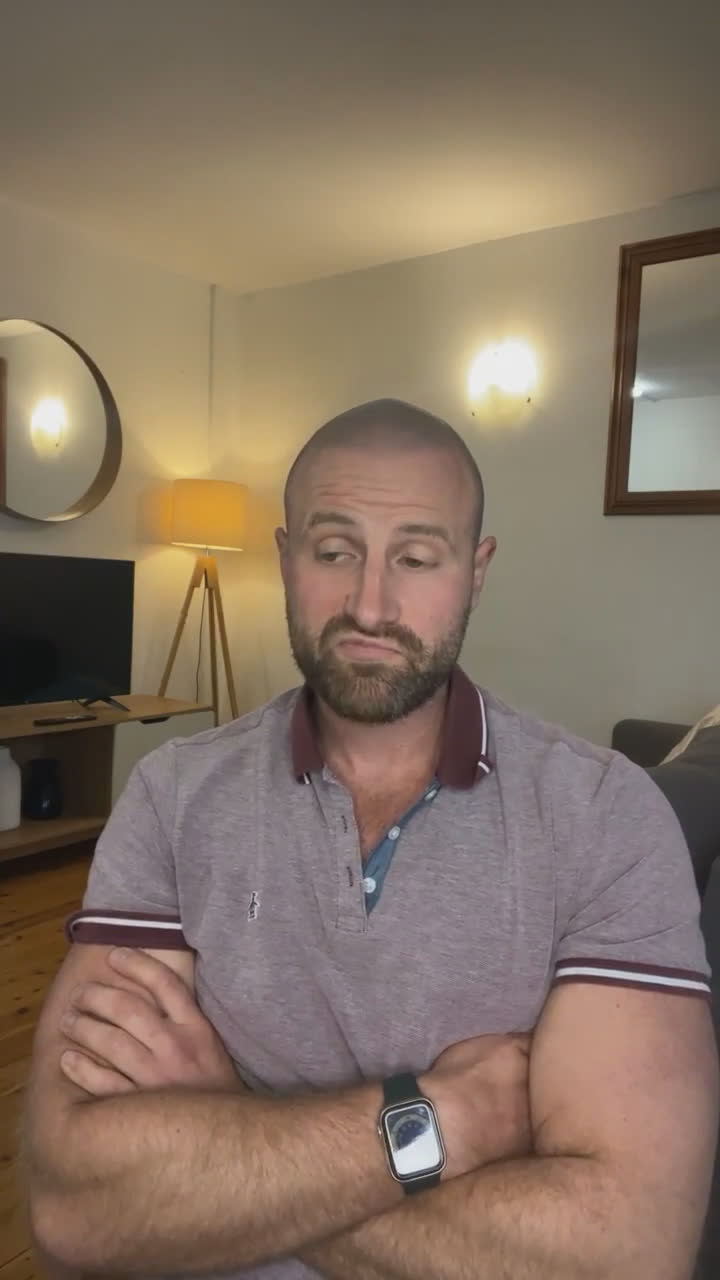
Welcome to another episode of my livestream, Mental Health Matters, where we discuss MATTERS around addiction and mental health because mental health MATTERS. Today we are doing out every-other-week, ask me anything episode, so feel free to to send me your questions or just join and participate!
This week we have another episode of ask me anything. Feel free to bring any questions you have about anything mental health and addiction related. If everyone here, we could commit to ask me one question about mental health or addiction, makes it a lot more fun, more interactive.
When it comes to ADHD and medications for it, there are basically two different classes, which is stimulant and non stimulant. Adderall could be one of the most effective medications, but at the same time, it could be the most habit forming. Don't make medical decisions based on that.
Juul: How do you know when it's the right time to reduce your medications for anxiety, depression? Juul: The best time to consider reducing is after you've done some, like, legit therapy work. He says the important thing with any med reducing or getting off of it is that you are tapering slowly.
What is the best way to encourage someone to utilize boundaries when they are a people pleaser? I think one of the main things we would work on in therapy is looking at the reasons why. I'm writing a book about boundary setting and communication.
I'll take this question off my question list but please send me more. Like I gotta find questions, but I got some built up. Alright folks, it's been real. Have a good Sunday, have a good start to your week.
What up, folks? Welcome to another episode of Mental Health Matters. I'm Evan, your resident mental health and addiction therapist. This week we have another episode of ask me anything. Every other week I do a topic, or I bring a handful of topics brought on by you, the viewers, the Cadre family. So in this episode, I'm gonna answer a few different questions, so I have them kind of built up over time. So we'll see how many we get to talk about Adderall addiction, getting help for things like borderline personality disorder.
Oh, one of our regulars, recovery cafe, Frogtown. What's up? Sunday night over there in Minneapolis. m. And I always like to say that I am reporting from the future, and the future is bright. It's good. Although it's raining here. I don't like that, but I get more done, less distractions. Anyway, what's up, folks? Feel free to bring any questions you have about anything mental health and addiction related. Kay Wallace is here. Chris is here. Awesome. So, yeah, feel free to share your experience on any of these topics.
Jules is here. We got, like, the crew, the fam, the live stream fam. Philly. What's up, Philly? Love it. So, anyway, going to bring some topics today. Maybe we'll find something you're interested in. But please, please, even better, ask me anything. If everyone here, we could commit to ask me one question about mental health or addiction, whether it's my opinion, maybe you know a lot about it topic. Feel free to do that. Makes it a lot more fun, more interactive. But until then, I could bring up a couple topics, and the first one was someone asking me about, you know, Adderall for ADHD, and if that's addictive or other stimulant medications.
And this could get a little controversial. And I kind of go back and forth on how I view this and analyze it, but. So when it comes to ADHD and medications for it, there are basically two different classes, which is stimulant and non stimulant now. So we have another question here about reducing depression, anxiety meds. So perfect. We'll talk a little more about meds, even though I'm not. Again, I'm not a med provider, but I am someone who does a lot of referrals for meds. I have med providers who work for me.
So it's important as a therapist that I have a general understanding of it, because often I'm the one who's seeing the client a little bit more right. And so in this case with, like, Adderall, right, that is a substance of abuse. So I got to know at least a little bit of it. So this is just my experience here. Don't make medical decisions based on that. Always with your doctor, med provider, typically someone who is a specialist, and ADHD, mental health in general. So with Adderall. So stimulant, non stimulant.
Now, stimulant medications do have addictive potential and they're not really all created equal. Something like Adderall does have a dopamine. Dopa. Why am I messing this? Dopa. Dopaminert. Dopaminergic. Dopaminergic. I don't know why I can't figure that word out today. Dopaminergic, yes, effect, meaning that increases your levels of dopamine, which is a brain chemical that is often associated with pleasure. And all the addictive substances have that high dopaminergic effect reaction. And Adderall does have the highest.
So it could be one of the most effective medications. However, at the same time, it could be the most habit forming. So a lot of people do report having had addiction to Adderall. Now, any stimulant you're going to be on, or really any medication, like you said, an anxiety med, depression med, your body's going to become dependent. And when you just stop suddenly taking one of those medications, you're going to notice effects, and that's going to depend on how long you took them. It's going to depend on the dose.
So the longer you do, the more dependent you are. But that's kind of part of the commitment of being on medications, even if it's not like super powerful. But Adderall is going to affect your mind, your mood, in many different ways. So a lot of times the effects, when you get off of them after many years can be really difficult. So a lot of times it's recommended people don't take them when they're pregnant, like Adderall. I think stimulants in general, I'd have to look into that more. But my sister in law, who's been on them since she was about twelve or something like that, had to stop taking it.
And she said it was extremely difficult and didn't feel right for months. However, after it, she did say that she did see the benefit of the meds and so she got back on them, but doesn't take them in the same way, doesn't take them every single day, but, you know, so some people opt to take ADHD meds every single day. Others, and I've had providers I've seen recommend both ways. So this is what you decide with your provider, and this could work for certain other meds, I guess, but, you know, you take them on the days that you really need it, so you don't develop that dependence.
And with a lot of medication, sometimes you take like a med holiday. Again, do not just do this on your own, but it's like taking a day off here and there. So certain things to prevent you from building that tolerance where the medication doesn't work and you have to continue to up it, and that's where you become more and more dependent and have to take more and more to get the same effect. And therefore, for some reason, you have to get off. It's going to make it worse. However, if it's improving your quality of life, you don't necessarily need to get off of it unless there's, like, a good reason, regardless of the medication.
So Adderall is the one you want to be more careful with. And here, where I'm at in Australia, there's not even a lot. So some countries don't even allow it. So, like my sister in law, when she moved here, she had to switch medications, even though she found the Adderall to be maybe the most beneficial. So it really is, you know, it really depends on the person. It depends on if you have a history with addiction or not. And typically, those who really need it, who take it as prescribed, are not going to have a huge issue outside of the dependence, which only matters when you stop or if you are doing it in a way where you build quite a tolerance to it.
So that's my take on that. Always talk to your doc. Okay. So then Juul says, how do you know when it's the right time to reduce your medications for anxiety, depression? Now here's a great question as well. So let's say you came in to therapy and psychiatry, and you see a psychiatrist, med provider, you get on a antianxiety antidepressant. So a lot of times, like the SSRI's sNris, you know, things like a Prozac, olexapro, one of some of the most common ones, are meant to target depression and anxiety.
Sometimes there could be some side effects, sometimes sexual, whatever. But a lot of times those initial side effects go away. And if you really have a severe reaction, some people do, you can just switch. But anyway, so once you get on a therapeutic dose of it, eventually you may find that you're in a good place. Now, there's a double edged sword here. So let's say you go to therapy and you do medication, which is like the best indicated for depression and anxiety. You're starting to feel better.
You're processing a lot of these issues in therapy. You're developing new coping skills, you're feeling better. Now the question is, let's say you want to start reducing the medications. Now, that would probably be the most appropriate time to try it because you may get off of them and then the depression may come back, but then you could always get back on it. So again, just talk to your doctor about it, talk to your therapist about it, because otherwise the problem is, let's say you're just relying on the medication, which is okay for some people, and you're like, oh, I'm feeling better.
I could stop taking it now. Well, it's like, well, you're feeling better probably because of the medications. When you get off of it, that effect's gonna go away. So I think, like a lot of people do that. They may get off it, they may get on it. But I think the best time to consider reducing is when, after you've done some, like, legit therapy work and actually then have a reason for why. Perhaps it'll be different this time. Without the meds, you're in a better situation, you've processed more in therapy, you have more coping skills.
Maybe your circumstances are different in general. Like, let's say you're going through a divorce and that causes a great deal of stress. However, now, two years later, you're kind of on the other side. Maybe then it's time to consider. So meds could be, you know, a terminal solution that you just keep doing forever. As long as it works, right? You know, you just gotta stay on top of it. Again, meds, it's like a commitment. It's like having a pet. You just gotta feed it, walk it. But meds, it's easier.
You only have to make sure you're on top of your prescriptions, doing your, you know, every other month or every couple times a year. However, whatsoever schedule, you're on appointments and go to the pharmacy and get it so you don't run out. If you do that and you don't have any side effects and it helps, then why get off? You know, why risk it? Why? You know? But again, if you, if there are some reasons, maybe there are some side effects and you are feeling better, then, you know, just talk to your doctor about it.
And the important thing with any med reducing or getting off of it is. That you are tapering slowly is typically what they would do. You know, I wouldn't, like, ever override what a doctor was saying. But if, like, for example, they just told you to get off of your medications, which I don't think any responsible one would, you know, it would be slowly tapering so you don't get that discomfort of withdrawal. You're kind of slowly doing this. So, yeah, that's my take. That's actually a really, really good question.
What is the best way to encourage someone to utilize boundaries when they are a people pleaser? Oh, that's always a good one, too. So that one's tough, you know, so when you're a people pleaser, if you identify that's your identity, it could be really hard to switch. Now, usually there's an underlying reason why somebody may take that approach. So, for example, if you're afraid that by advocating for yourself, having boundaries that others may not like you, you have a fear that they're going to distance themselves from you.
It would almost be like if you were paying for all your friends stuff, and then it's like, oh, they're only hanging out with me because I'm buying them drinks or whatever. So in that kind of way, it's almost like people maybe taking advantage of you and at the same time, maybe they don't really intend to, but that's just like, kind of how you are, you know, maybe like, overly giving of yourself. So I think one of the main things we would work on in therapy is, like, kind of looking at the reasons why.
A lot of times there's, like, childhood reasons for that. You know, having inconsistent, caregiving, abusive household where, like, you kind of had to please those around you to stay safe. So really, like, in a typical therapy situation, processing that and maybe understanding that you are in a different place and starting to do more self advocacy, better communication and your boundaries, not doing it in a way that's, like, abrasive and offensive to others. I think sometimes there's, like, some bad advice out there, like, just do, you know, just, you know, just say whatever is on your mind or, you know, set boundaries unapologetically, but, you know, you just really want to do it in a tactful way and those around you will understand.
So maybe working with your therapist or doing your own little research about boundary setting statements and how to do it in an effective way so you're not, like, overextending yourself that could be with a spouse, your children, you know, those at work where you feel like you're being taken advantage of and the stress builds. And sometimes, again, like if you allow people to do that, you know, they, it's not always on them but like, let's say at work you're kind of like enabling someone or you're kind of doing their work for them, right.
And it becomes a dynamic, you know, it could be difficult to change and that person may have a little bit of reaction but at the same time really understanding which relationships matter most and kind of correcting some of those dynamics that are really not fair to you. So learning that self advocacy. So yeah, hope that helps. But anyway, if you have any other questions let me know. And always remember, you can go on the community feed. Tag me, ask a question. I'll see you there. Watch some of my videos, comment.
I have some videos on communication from like a while back so you just have to scroll. But you know, that is something I talk about quite a bit and writing a book about actually about boundary setting and communication. So hopefully I'll get that done sometime this decade. Anyway folks, it has been real as always. I'll take this question off my question list but please send me more. So I have some built up sows. It's stressful. Like I gotta find questions, but I got some built up. I got a little cash of them.
Alright folks, it's been real. Have a good Sunday, have a good start to your week. And with that ttyl as the kids say, they probably don't say that anymore. Honestly, I'm just old.
Reactions and comments are for members. Joining is free and takes a minute.