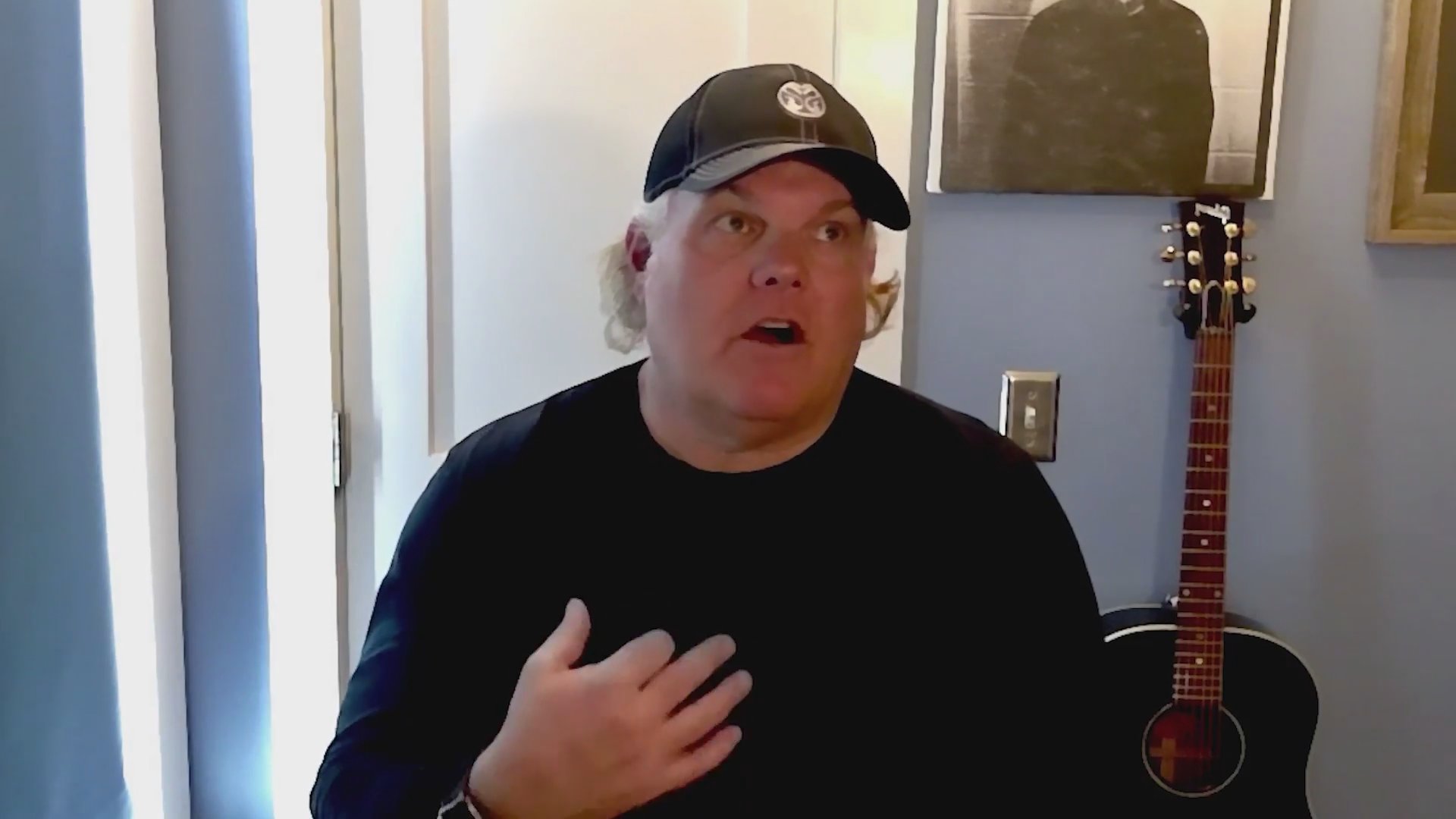
Chris gives us a few ideas about how to get started in those crucial first days, weeks, months of recovery. From communicating to available resources, he breaks down his best advice for what to do.
Chris Edrington: The anxiety, really, the physicality of it, like, physically, the feeling of when you're in those first few days. What he would say for most people is to reach out to someone else who's in the same boat. Look for hobbies, try to distract yourself, go do physical exercise.
Hey, Cadre. Chris Edrington here. I was given some thought to early sobriety. The anxiety, really, the physicality of it, like, physically, the feeling of when you're in those first few days. And I recently started getting followed by a bunch of people on Twitter hash recoverypossy, and really cool opportunity to hear from a lot of people all over, I don't even know where from and their struggles. And there's quite a few people on there who are expressing, you know, what it's like to be brand new in those.
Literally in those first few days. Like waking up, day one, day three, day seven. Went to my first meeting, that kind of stuff. And so I thought I would address at least not direct advice, but my experience with that. I mean, I literally felt like I was coming out of my skin in those early days. And I think there are a lot of options. There are a lot of maybe misconceptions about what you can do. I think it's a mistake to seek medication directly for the relief, but there are great medicines out there and psych meds and antidepressants and stuff that are super effective as long as you have the professionals guiding you.
What I would say for most people, what's readily in front of you to do every day is to reach out to someone else who's in the same boat, and literally maybe even go to an AA meeting, raise your hand and say, look, I'm. In the first five days, I'm still physically all over the place. I feel terrible. My mind's racing. Is there anybody here who might, if nothing else, just sit and commiserate with me at the coffee shop? I mean, it's really, really powerful to find somebody else who's like, me too, man.
Me too. Let's do whatever we can together in these first few days to help find some relief, because I think what you'll find in printed material, go around recovery or. Or clinical advice is stay away from your old friends. Look for hobbies, try to distract yourself, go do physical exercise. Which is the last thing I wanted to do when I was withdrawing from heroin. I wanted to crawl in a deep, dark hole. And the reality of it is, I really just wanted to use heroin again. In those first few hours in detox, I was in and out of the shower.
I was trying to get the nurses to give me meds, but they. They really didn't want to. A lot of craziness around that. And I guess if I would start from the very beginning, I would say, if you're in full blown detox, from alcohol or benzos like Xanax. It's dangerous, really dangerous. Withdrawal from opiates. You're super, super, super uncomfortable, but it's probably not going to kill you. But it's such a mind thing that you have to really work hard at trying to find things that keep your head out of that sort of space where you just tell yourself how bad you feel.
Because my experience is I would tell myself how bad I felt to the point where I was rationalizing using again. I'd be like, oh, yeah, I'm so uncomfortable. Oh, I'm in pain. Oh, my stomach hurts. I'm really in pain. Like, this is not right. I feel really, really bad. I should medicate this. So I get that a lot of us understand those things. And I think it's really hard for people in early recovery to hear anything from someone else that's really kind of any relief. Like, you know, oh, honey, let me make you some tea.
You'll be fine. I mean, that is, you know, that's just. We just want to scream at that when we're still in withdrawal. If you're in physical, dangerous withdrawal, you need to be medically supervised. But in those days, right after, maybe the physical part is kind of over and it's really just the mental part. And I like to think that maybe we're not craving as much as we're obsessing about using. There's a little bit of a difference there. Reaching out, talking to others about it, surrounding yourself with people who are in the same boat.
Let somebody take the lead and say, today we're going to go for a walk, and then we're going to go with Jenny and she's going to say, we're going to go for a hike and we're going to go to the movies, or we're going to go get coffee for the 950th time. There's this incredible warmth coverage safety net that can really decrease that anxiety around the right people. And yes, all those little other things like eat right, do some exercise, try to get some sleep. I know. I mean, coming off of opiates, sleep is a precious, precious thing, but I would just like to help people navigate that first section of time there where it's brutally difficult to stop your mind.
And I never found anything more powerful than other people. It wasn't my mind that was going to do it, and medication was off the table. So, looking back, I had some incredible friends in recovery who would just literally just sit with me until it was so. Until we were just too tired to stay awake anymore. So don't be afraid to reach out to others. Reach out to others and ask for help in this crucial time.
Reactions and comments are for members. Joining is free and takes a minute.