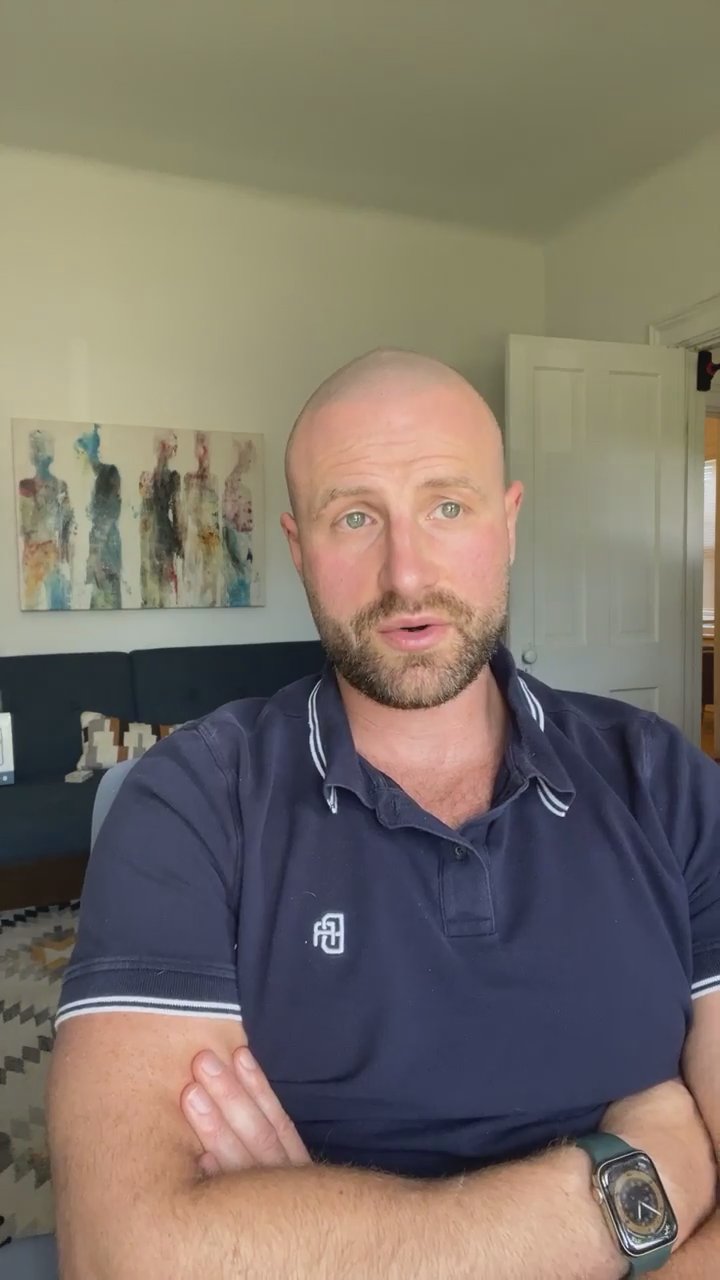
Welcome to another episode of my livestream, Mental Health Matters, where we discuss MATTERS around addiction and mental health because mental health MATTERS. Today we are doing out every-other-week, ask me anything episode, so feel free to to send me your questions or just join and participate!
Evan: Today we have another AMA. Ask me anything so anyone can join at any time. I'm submitting a whole new batch of videos, so keep your eyes open. Up to 24 videos dropping.
Jules: Good afternoon. It feels like the afternoon. So why don't I just jump in and, Jules, you could tell me what's going on.
First question is about medication management. Often, research shows that the combination of both yields the best outcomes. But medication, like anything else, is a commitment. How do I find a med provider?
How do I mentally prepare for working with a negative co worker? It's very specific. Trying to get into a positive mindset, mindful mindset. Finding the humor in it. Be nimble, be quick on your toes. Don't let those horns get you.
"I think maybe the same principles apply here because in the end, that could really strengthen our relationship and really help him, " he says. He says his friend will be more open to feedback once you kind of get past that original defensiveness. "I just know how difficult it is to have those uncomfortable conversations "
A lot of times he, like, really overwhelms people when he 1st meets them. Sometimes people love him and, you know, find his darker humor charming. But other people's not so much so. Having those difficult conversations could benefit you. It could strengthen that courage muscle.
Next Wednesday, I'll bring a topic. 26 July 3rd is what is an addiction? So I'm exploring the true definition of addiction. Come join us as we discuss this together and talk about solutions to move forward.
What's up, folks? Welcome to another episode of Mental Health Matters. I'm Evan, your resident mental health and addiction therapist. Today we have another AMA. Ask me anything so anyone can join at any time. Ask me a question, whether it's an AMA or not. However, just in case, I prepared some questions. I've been getting some questions coming in from Cadre folks from social media, so I got a few good questions on some of my latest videos, so be sure to go check those out. I got plenty out there on mental health and addiction topics.
Also, feel free to post in the community feed. Feel free to comment on any of my videos, and I should be able to see those. And I could answer at the next live stream if you have any questions. Why not? Why not? Anyways, any other announcements here? Yeah, I'm submitting a whole new batch of videos, so keep your eyes open. I got some interviews with some other Cadre creators, so up to 24 videos dropping. So that is exciting. Anyways, we'll see who comes, we'll see who joins. Right as I say that, Jules.
Right on time. Look at that. So we'll see if we get some of our other regulars to mental health matters as I pull up some of our questions. Jules, how you doing? What's new? What's going on? Good afternoon. Well, it's not quite afternoon yet. Here in Minnesota at least, but close enough. It feels like the afternoon. So that works. Yeah. Super cool. Super cool. So why don't I just jump in and, Jules, you could tell me what's going on. First question is about medication management. And I talked about this a little bit last time about some of the decisions that we make, let's say, as therapists, as far as should a client maybe look into some medications?
See, there you go. You're in Boston, so technically, I'll wish you a good afternoon Boston time. So some of the things, like, as a therapist, right, my scope is talk therapy, psychotherapy, whatever you want to call it. And, you know, medications could be an integral part of one's mental health care plan. Often, research shows that the combination of both yields the best outcomes. However, medication, like anything else, is a commitment. I say it's akin to having a dog, maybe a little less than that, but.
And if you have, like, a good doctor in pharmacy, it's, like, much easier. But, you know, it's like, you have to be sure you're taking the meds every day, otherwise they don't work. So it's kind of like walking the dog. You have to, you know, maintain your appointments you have to make sure that the prescriptions are coming in on time, dealing with the pharmacy and you know, you're going out of town, you got to make sure you got all that taken care of. So maybe it's like having a lizard, maybe not like full on.
I mean, I've never had a lizard. Well, I did have a snake for a bit as a kid. I thought it was cool, but not only for a little bit. So you gotta make that decision if that's something you're willing to do. I mean, I think it's worth a try. And typically if I'm working with someone doing therapy for a few months, three months, six months, they're not finding, you know, that they're getting all that much better even though they're trying some of these different things. Lifestyle changes, their engage in therapy, then maybe medications is a good way to kind of break that ceiling and then be able to allow those skills to take hold and let therapy take hold.
Sometimes you just need a little bit of that boost. Whether it's mood, anxiety, whatever. I mean, another consideration is the disorder itself. I mean, I'm kind of here referring to depression, anxiety, kind of the most common reasons people come in. But I mean, if it's something like bipolar, schizophrenia, now we're talking like medications are 80% of the game versus 20% and some of the other disorders, or maybe therapy is going to be a little more integral in whole. So, okay, so we get to that point.
Now what? So the question here is how do I find a med provider? Well, kind of like finding any other doctor a therapist. You know, there's different sites out there, like, so for example, my clinic here in Minnesota, we now offer some med services, which is super cool. So like, how would you find us as an example? Right? I mean we, you know, you could Google medication, psychiatric medication. There's a lot of different Google searches you could do to find a psychiatrist, psychiatric nurse practitioner.
Physician assistants can do it under a psychiatrist. So there's different providers that can do it, also general practitioners, but I tend to recommend a mental health specific provider if you can. It's just not always realistic. There's a huge psychiatrist shortage right now, unfortunately, so it makes it more difficult. So now we have things like telehealth options, like what our clinic does. That can be a great way to reduce access or reduce barriers to increase access. We have things like Zoc, doc, psychology today and just googling different mental health clinics and some of them will have a provider, different hospital systems calling your insurance company.
That's another good one. Yeah. So that would be my general answer. Doing awesome in Boston. Where is afternoon? 0 nanoseconds? It's very specific. How do I mentally prepare? That's a good question. All right, so let's see. I'm gonna go to work. I got this just draining employee, co worker now. I guess, you know, every situation is different, and I guess you're gonna have to deal with them to some capacity, so. Oh, sorry. So let's say. I mean, I would say it's like, imagine, like, it's going to thanksgiving, and you got to deal with, like, an annoying family member kind of in this situation where you can't avoid this person.
So it's like, you got to try to go in with a strategy. So what's going to be my strategy? Not necessarily for making this pleasant, but for making it as least bad as possible. So step one, probably getting your own house in order, right? Making sure that you're in the best place you could be with your mood and, you know, have your battery charged as good as possible. Good sleep. Trying to get into a positive mindset, mindful mindset. So that's breathing exercises, doing some meditation, just kind of getting yourself to a calm place.
So getting your body there and ready for this soul sucker. Then I think it's about mindset, right? I think kind of going in, being like, okay, I'm gonna be going into this, and this person, it's, you know, anticipating that it's gonna be bad. I mean, realistically, maybe, but, you know, having that anticipation of this is what it's gonna be. This is how it's gonna impact me. May set yourself up a little bit for that. So how do you change your mindset around it? How do you view it from a different angle, from a different light?
Can you view this as an opportunity for growth? Can you view this as a challenge of, you know, can I go into this? You know, just kind of like going into an ice bath or something? Like, okay, this is going to be difficult, but can I stay in here for a minute? You know, so maybe even making, like, a game out of it and if possible, trying to find the humor in it. I remember certain situations where I just get, like, so, like, mad and offended with certain people, and I think over time, I was just like, okay, well, I can't control them.
I can't, like, what. What is in my control in this situation? And in that case, it was my attitude and how do I approach it? And so, again, there's different ways of looking at every situation, and, yeah, so, again, finding the humor in it, you know, because usually people like that are just kind of ridiculous. So kind of just keeping that in mind and just seeing the humor and how ridiculous they are and try not to take what they do personally, being able to have some boundaries in place of, like, here's how I'm going to calmly react to their nonsense and shenanigans and just find a way to deal with them.
Like a matador deals with a bull. Have that red flag. Be nimble, be quick on your toes. You know, don't. Don't let them. Don't let those horns get you. So, I mean, that's probably how I would approach it. I mean, I know there's certain situations that I go into that I'm like, I gotta deal with this person or this. I can remember that back when I worked more closely with a team. And there's one guy that would just annoy the all living h*** out of me. I'll just call him Daniel, which is probably his name.
And he kind of drove everyone crazy because he was just, like, kind of annoying and just didn't shut up. And, like, it got to a point where, like, I just. I just let it go, and I just, like, found the humor in it. And I would, like, make jokes about it, you know, with some either quote. I mean, you might be careful of that. You know, you don't want to, like, talk too negatively and gossip, but, you know, just talk about how funny it was. Oh, can you believe they did that? Or they talk that much, or they, you know, did x, y, z.
And then eventually, I, like, kind of became not close with him, but, like, I would actually engage with him more just because I just found it to be so humorous and just stopped taking what he did or said seriously whatsoever. And I still have one friend that I joke with him to this day about. We'll kind of reminisce about it. And so I just remember how everyone else would be like, so just. And then I kind of got to a point where I was, like, looking for it. Like, oh, Daniel's coming in today. All right, let's see what kind of nonsense he does this time.
I think it gets to a different point where, like, it really is negatively impacting the work you're doing, which probably, it sounds like in this case. Right? So if there's, like, a bigger underlying issue or, you know, their shenanigans are causing you to not be able to perform your work the way that you need to, or it could be getting you in trouble or creating toxic dynamics. And then in that case, it's like, okay, this is something, you know, maybe that I have some control of the situation, whether that's trying to have a conversation with them, if that doesn't work, taking it higher to a superior and kind of stating your case or whatever, you know?
So just at that point, deciding what. What's going to be most helpful, because sometimes it is easier to avoid. But that avoidance of not having those uncomfortable conversations may actually be worse than actually having it. Okay, wait. What am I trying to say? So, in total, the discomfort of having those conversations is actually worse than having to deal with them day in and day out. So it's kind of like these two evils. So which one do we choose? I mean, I always try to lean on the side of the uncomfortable conversations, whether with that person or otherwise addressing the issue, because it just eats away at you.
And actually doing that uncomfortable move may actually solve the problem or, you know, bring it to a much better resolution. I kind of like this situation going on right now with a friend, so I'm kind of guilty of this, where I have, like, a really close friend that kind of get on my nerves, like, one of my best friends, but, like, there's just been some dynamics there that have been kind of creating some resentments that I've had, but, like, kind of my strategy has been doing, like, what I said, where I just try to kind of find the humor in it, and I just, like, don't let it bother me.
And to some degree, it doesn't. Every once in a while, it'll kind of get to me or, you know, we're, like, close buddies. So, like, if he kind of crosses some lines, I'll give him s*** about it, you know, kind of verbally joust a bit, but sometimes that makes the problem worse. It kind of eggs him on a bit, but for me, it just. I kind of go into the situation with certain guards up in armor so that those, like, I always say he's kind of, like. He has, like, a prickly personality. He's kind of edgy.
And so, like, when I go in, I got to kind of wear certain armor so that I don't get post. So maybe in this case, you got to put on a little bit of a coat of armor so that their prickliness doesn't really get through. Now, the thing is, if you have to deal with them all the time, you know, wearing that armor can be a bit stuffy and it can be heavy. So it's not comfortable to have to do that all the time to have your guards up. It could be, you know, a bit draining. So with my friend, you know, I got to do that a little bit, at least just because of his sharp personality.
But with him, I've kind of. I think I've been guilty of that avoidance where I feel like I could have. And we've had some conversations about this, and he's a good guy and he's open to feedback. I think he just kind of could be a little bit impulsive and mindless in what he says and kind of what, you know, misses certain social cues or just doesn't give a s***, honestly. You know, just kind of. He, like, doesn't care what other people think, but to a degree, that that's a fault. Cause then you're, like, just going around offending people.
But I know, like, deep down, he's a good guy. And then if I did have that conversation with him, you know, it probably would get better, you know? So I don't know why I just haven't done it. You know, I just. I don't see him, like, all that often. Maybe hang out, like, a few times a month, whatever, but I think something I should do, and I think maybe the same principles apply here because in the end, that could really strengthen our relationship and really help him, too. But again, in this situation, he's my friend, and he's going to be more open to feedback once you kind of get past that original defensiveness.
We were at a party this weekend, and I kind of, you know, because I'd been gone. I was in Australia for so long, so I didn't really see him. We chatted a few times, but not really. Not really in the few months I was gone. And when I came back and we were at this party, I kind of realized I hadn't really thought about it much, that I kind of had some of these resentments that I was holding because he was kind of doing his shtick. And we kind of brought up some, reminisced on some, you know, recent trips that we went on, and I kind of realized, like, oh, yeah, we kind of got some unresolved stuff because, like, he really kind of offended me on this trip.
Like, I. Every year, I like to go up to the north shore, lake Superior here with some friends in the fall to catch the. The fall leaves. It's kind of like a sacred thing for me. And one of my friends and my good friends. So we were going to just go up together. However, you know, we thought, hey, it would be cool to maybe invite the rest of the crew. It'd be fun to have more people. So I started to plan this. Maybe the story is interesting. I'm just kind of rambling on, but maybe there's something to this.
Anyway, so we go up, and so I'm trying to, like, plan this vacation. I'm trying to, like, you know, I want everyone to have, like, a good time and everything like that. So I'm like. But then, like, as I'm doing this, like, no one's given me any feedback as far as, okay, how about this place? Or this place? Or do we want to go on this dates or on these dates? And then, like, eventually, one group, like this one couple, they ended up just booking their own place. As I was looking in these other places and kind of being like, oh, well, yeah, it's my wife's birthday, and she, if we don't get something locked down, she's gonna be upset.
I'm sitting there, I'm like, well, you guys weren't helping whatsoever. Anyway, okay, so now I'm dealing with this other group of people. I just kind of book something and do all the work to do it, whatever. So I'm already getting angry and building up resentments at this whole group. And then my one really good friend who I was really excited to go up with because she appreciates it as much as I do, she had to back out. She had a sick kid. So now I'm like, okay, so now she's not there. Okay, so that sours it a bit.
So I went up with another friend, and then they came up just for a couple days, and they were just kind of complaining. And, I don't know, just really, like, soured the whole trip, you know, and some of their ad and some of it, they were, like, joking around, but, like, I didn't. I just, like, wasn't really feeling it. You know, I'm pretty easy going and whatever I can, you know, take about. But it just, like, kind of. Just like all of those things kind of built up. And I did talk to a couple friends about it.
I think this is just all a lesson in avoidance because, again, I could be quite guilty. And I just know how difficult it is to have those uncomfortable conversations. And I did with one of my friends. I did it with one of the ones I was the least upset with, the one who's, you know, he was there with his wife, and I was kind of more upset with his wife, to be honest. But we had a good conversation, and, you know, my intent was to have these other conversations with the others, but, you know, I just, like, kind of let it go.
And then I went to Australia and forgot about it. So then I come back and I'm like, oh, yeah, I'm still p***** about it now. I'm not actually. It's not like eating my lunch day to day. I don't really think about it. But then kind of when I'm with him and it gets brought up, then I kind of get re triggered about it. And so at the part, it was maybe not the best venue, but I did kind of tell him. I was like, yeah. I'm like. I was actually extremely p***** off about that whole thing. And it was kind of, like, in a pseudo joking.
Not everyone in the party was listening. It was just me and that one friend I was supposed to go with. And I'm like, oh, yeah, actually, that was horrible. And that, like, really p***** me. And I think he kind of realized he's like. And he, like, fell kind of. He's like, yeah, I guess we were kind of this, and I just explained to him. I was like, you know, here's why. You know, that really made me upset. And then I think he kind of got it after, like, all that. He's like, yeah, we were kind of difficult and, oh, yeah, yeah, we did do that.
And we did do that. So, you know, at least we started the conversation. But maybe it's better. I think he and I need to sit down and have a. Maybe a deeper heart to heart, because really, this has, you know, probably been building up for, like, many years. And at that party, he kind of mentioned that he feels like he kind of views me as. Which is kind of, like, ironic. He said, like, I think he just, like, phrased it the wrong way because he's, like, kind of, like, said like that I'm not, like, a deep thinker or something that anyone, like, really knows me.
They're like, that's quite the. I mean, because I literally deep think about everything to a fault. Literally every category of life, humanities, whatever, and all these ventures that I do and the videos I make and the topics, you know, whatever. Right. But I think what he kind of meant was that I may seem, like, emotionally shallow, but really it's just me being more guarded with him. So it was kind of interesting to hear that because, like, I looked at my other friend, who I'm much more open with, where she kind of.
I kind of. I share more of my emotions with her than I do with him because, like, I have a hard time being vulnerable because, again, he's kind of got those rough edges and, like, I got to go and guard it. And so I'm like, okay, I guess that makes sense that he views me that way because maybe I am just more guarded around him and cautious about what I say and what I share. And I think, again, I value the friendship. And I know he really is a really good guy, so I think it's worth it. And it may actually be helpful for him again, to get that feedback.
And he has been open to feedback in the past. And we have had a couple conversations because a lot of times he, like, really overwhelms people when he 1st. 1st meets them. And, like, a lot of times, like, I'll introduce him to someone or a different group of friends and, like, almost invariably I have to have a conversation with them in the end about. Because some of them will kind of like his cheeky, pseudo offensive charm that he has. But a lot of people don't take too kindly to that or, like, over time.
So they just get a misconception about him pretty early on. So I have to kind of explain to them, all right, here's how he, you know, here's how he is, and this is how he really is. And don't be offended, or he's really good. So I gotta kind of, like, make excuses for him, which is kind of annoying. And, like, I don't want to have to. And I don't like having to worry. Like, I don't know if I said his name, but I'll just say, michael is coming over, and now I gotta prepare, you know, and then worry about, okay, is he gonna offend this person?
Am I gonna have to explain this, or is he gonna be obnoxious? I kind of know he's gonna be obnoxious. But again, sometimes people love him and, you know, find his darker humor charming and other people's not so much so. So there could be, you know, value in that conversation. Is anyone still here? I'm sorry. I apologize. I don't know. I was hoping that story has some sort of moral to it in regard to Jules's question and having those difficult conversations and how that could benefit you. It could kind of strengthen that courage muscle.
What do I call it? Oh, I call it the cringe muscle. I'm actually going to write about this in my book about strengthening your cringe muscle, which is that awkwardness of having those uncomfortable conversations where the more you do it, the less daunting it is and the less afraid you are, and the more you're able to have those conversations and reap the benefits from it. So if that is appropriate for your situation, work, you know, we're talking about your livelihood and a lot of other things that go along with work.
So you gotta be a little more careful, mindful, you know, your situation. But typically, addressing issues in the end is better. However, if that's not what I mentioned before of kind of, you know, having a healthy coat of armor, finding the humor in it, and trying to detach a little bit from them and their shenanigans. Well, I think we covered enough, and I'll just save some more questions for next time. That was a good conversation, or at least a good conversation with myself. Hopefully someone got something out of that.
So I drink the last sip of my coffee here at 11:00 get back to the grind. I'm gonna film some videos, edit some videos, do a little Cadre stuff, and we'll see you next time. Next Wednesday, I got us scheduled, and I'll bring a topic. What will be the topic next week? 26 July 3rd is what is an addiction? So I'm exploring the true definition of addiction, how we can understand its role in our lives, whether drugs are alcohol or the unhealthy habits you struggle to control. So come join us as we discuss this together and talk about solutions to move forward.
Anyway, folks, it's been real. I hope you have a good one. Take care.
Reactions and comments are for members. Joining is free and takes a minute.