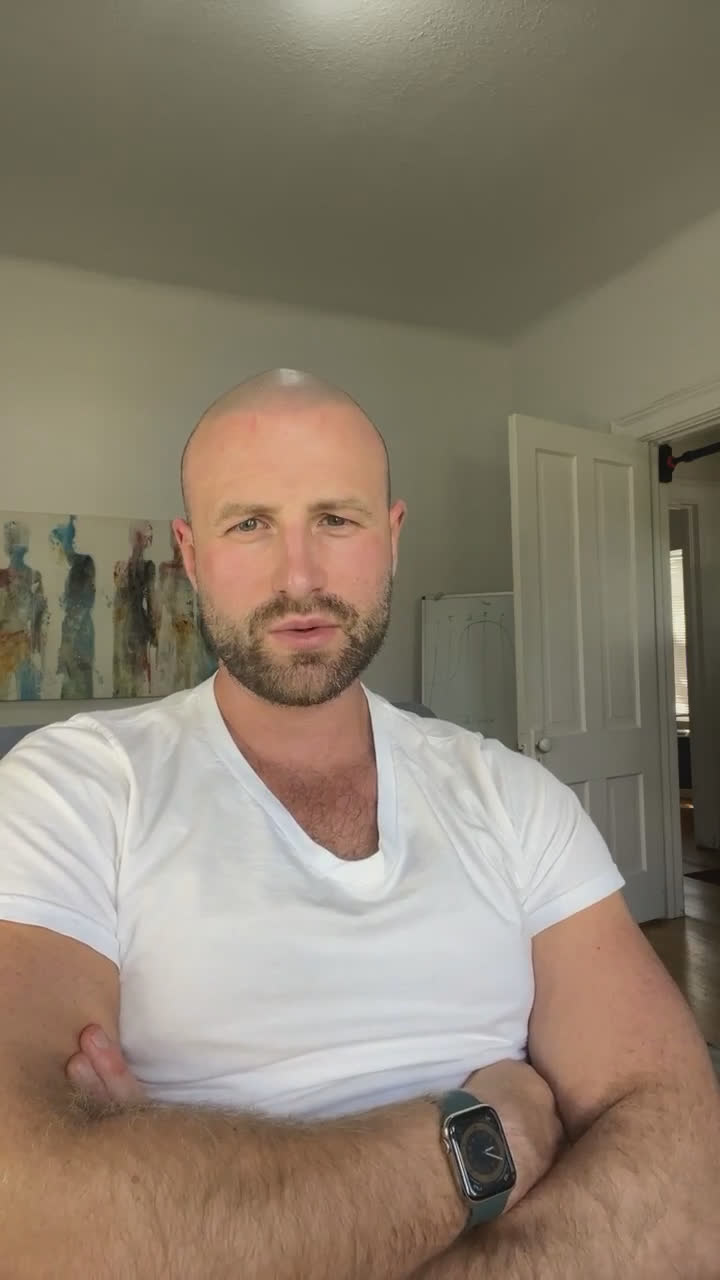
Welcome to another episode of my livestream, Mental Health Matters, where we discuss MATTERS around addiction and mental health because mental health MATTERS. Today we are doing out every-other-week, ask me anything episode, so feel free to to send me your questions or just join and participate!
This is an AMA ask me anything episode. We talk about matters in mental health and addiction. If you have any questions, mental health addiction, throw them out. Next week I come with a topic.
I'm going to be going live on Wednesdays. Speaker one, if you have any update on your situation, I would love to hear it. It's gonna be a week wrap up party. Submit your questions if you will.
Jules says, ben Franklin says I have to keep both jobs. The only way that it would possibly say that you should keep both is if they got the same score. So maybe just a coin toss.
But it seems like everyone's wanting to join today afternoon. Why what, Jules? Why what? Yeah, I'm curious to hear how you got an equal score for both jobs. Any other mental health addiction questions. And we'll see what's going on in Juul's situation.
With alcohol or benzodiazepines, it's the most important that you follow this script. These are two drugs that have high withdrawal potential and dangerous withdrawal potential. The first thing you want to do is get an assessment from a licensed alcohol drug counselor or addiction specialist.
Going from three to two will help with that feeling of being overwhelmed. There are certain people who are uncomfortable with doing nothing. And then I would actually be happier on Mondays. What are the two jobs you currently have? Are they similar?
How do I know if I need medications? Best practice is to do a series of screenings. Mental health is subjective, but the more you can make objective measures, the better. That's one of the reasons why nowadays, there's parity between mental health and physical health.
Taking medications is like getting a dog. It could be a net positive in your life. But it is a commitment. You have to remember to take it every day. There's always that risk when you get on something that you may have an adverse reaction.
We'll check in next week, Wednesday, so not too long. We'll see how you're doing, see how your situation is, and we'll go from there. Thanks for those who participated. You're awesome. I'll talk to you later.
What's up, folks? Welcome to another episode of Mental Health Matters. I'm Evan, your resident mental health and addiction therapist. On this livestream. We talk about matters in mental health and addiction. Also, because mental health is important. This is an AMA ask me anything episode, and this can go for basically anything in that category. Or you can ask me something outside of it. I may or may not answer or have any idea what I'm talking about. So on this episode, I like all my other every other week Ama's, I have a bunch of questions that people ask me, whether it's here social media community feed commenting on my videos.
That's probably the best way if you're on Cadre, to get that out. See, we got our original. So like, I tried going live earlier and earlier this week, but I think I screwed it up and I realized like, no one was coming in. So I was just talking to myself. So I'm like, yeah, I probably should reschedule. So that's what I did. But what up people? Again, if you have any questions, mental health addiction, throw them out. I will answer them. If not, I have some prepared on this every other week, Ama.
Next week I come with a topic and you can see that. Which one? I don't know. We'll have to see which one that is. But I have it scheduled. But anyway, how's it going, folks? I'm back in the US. I'm going to be going live on Wednesdays. Speaker one, if you have any update on your situation, I would love to hear it, but yes. So I'll be going live Wednesdays at eleven for a little early lunch break, let's call it instead of my Sunday night. Jules. Here we go. We got all the regulars in. I love it no matter when I'm on Sunday night.
Was it Friday afternoon? We're gonna wrap up the week. It's gonna be a week wrap up party. So tell me what's going on. What do you got going on this weekend? What am I doing this weekend? I don't even know. I'll figure it out. Let's see. It'll be nice today, Rainy. Tomorrow, hot Sunday, hot and sunny. So we'll get some beach time in. But anyways, submit your questions if you will. Otherwise, we'll see what the community brought today. First question, and I answer this quite a bit. It's quite a frequent question.
And that is what do I do if I think I have a drinking problem? Jules says, ben Franklin says I have to keep both jobs. Who needs wants, less stress, more sleep. Real lunch. So to fill everyone in, Jules was struggling as she has basically too many jobs, too much stress. So this exercise was meant to get a better perspective. Because I think. Didn't you have three jobs? Wasn't it three when you're trying to knock out one? So the only way that it would possibly say that you should keep both is if they got the same score.
And that would be theoretically pretty difficult to do. Let's get the exact score. They could be really close, but sounds like something's got to go. So maybe just a coin toss. When I do videos on this, people are saying, like, you do a coin toss. And then it's almost like once the coin's in the air and it lands, there becomes a clarity. And the clarity is like, I wish it would have been this one. Or, oh, I hope it's this one. And then that. That's one way of knowing, too. What we'd call that the coin toss clarity.
So maybe you could try that. But I'm curious to know how it said both jobs. Look, my guy, I'm so. I'm glad to be back in the states. Might. It's beautiful here. Going into summer, escaping the Aussie winter, which is, like, compared to here, the most mild winter one could imagine. I think it's probably the best comparison of. Sydney is, like, San Diego, kind of La San Diego. Maybe like a South Carolina type climate. Subtropical. Yeah. It is good to be back. It's good to be back in my home. It's good to be back in my bed, good.
Back with my dog. So it's all good. But it seems like everyone's wanting to join today afternoon. I think everyone, you know, is when you kind of start to slack off a little bit. Why what, Jules? Why what? Yeah, I'm curious to hear how you got an equal score for both jobs. And I thought it was three jobs that you were choosing between. Well, choosing which one to boot off the island, so to speak. So in the meanwhile, I will just answer this question quick. We'll see what you all put in the chat.
Any other mental health addiction questions. And we'll see what's going on in Juul's situation. And then I'll come back to it. So what do I do? I think I may have a drinking problem. Now, again, I answer this a lot. I get asked this a lot. And, you know, you'd think, like answer would probably be the same as if you were using drugs. But it's actually not. Kind of like every substance maybe have a nuance, but with alcohol or let's say, like, alcohol or benzodiazepines. Those would be two. That it's the most important that you follow this script or something close to it because these are two drugs that have high withdrawal potential and dangerous withdrawal potential.
Like, you could have seizures if you get off alcohol or benzos too quickly. The thing with alcohol, sometimes people would say, have, like, a moderate use disorder. Let's say they're drinking, you know, every day, maybe three drinks, four drinks. Maybe their life isn't in this scenario. Maybe their life isn't falling apart, but kind of that, like, functional stage. And then they're like, you know, they get some motivation. Like, you know what? I'm gonna take a break. I'm gonna do a 30 day challenge.
Or, like, I'm gonna try to give it up, right? So then they just stop and they think I'll be able to do it. But then what happens? They start to feel really bad. They start to get the, you know, feel like they got the flu or they get, you know, their hands are shaking, just anxious. And they're like. And they don't know what's going on. So it's kind of like one time. It's actually when I went to treatment when I was 21. And in treatment, this is residential. So you're kind of living there. And, you know, every morning we'd wake up, and it's probably earlier than I would like to wake up because I'm a little bit of a late sleeper, but I woke up, and to get the day going, what do you do?
There's always a pot of coffee right there. So if you're drinking this crappy coffee, get through. In my day, drink some at lunch because I'd always want to take a nap. And you weren't allowed to take naps there, but they're pretty strict. So then I noticed for some reason, on Sundays, I would get horrible headaches, horrible migraines, and I didn't know why. Like, I got it. And then I realized, like, why am I getting this on Sunday? Eventually I figured it out because on Saturdays and Sundays, I could sleep in.
So I didn't drink any coffee or nearly as much. And I was like, ah. So then I had to kind of force myself to drink coffee on Sundays. Otherwise I would have these just wicked headaches and not feel all that good. So it's interesting because, like, coffee, I have a couple videos on this about caffeine, but coffee is one of those interesting drugs that, you know, it's not going to tear your life apart, probably not going to go to rehab for it, but you have a really high physical dependence where you're going to maybe even feel worse and getting off, like cocaine or something, which is kind of crazy to think about.
So that just goes to. I'm just trying to say that, like, you may not know how dependent your body is until you stop. And maybe you stopped, like, years ago and you were fine, but then all of a sudden, you stop now and you're not, because your body changes over time, and dependence tends to go up over time. So you got to be really careful. So what do I do if I have a drinking problem? Well, the first thing you want to do is get an assessment. You want to get an assessment from a licensed alcohol drug counselor or addiction specialist of some sort.
Just find a clinician that specializes in addiction. Every state may have a different license. Some may not even have the license. They may have a certification or just find someone who's well credentialed. And on their bio, they talk about being an addiction specialist, having worked in treatment centers, whatever, someone competent, and then you do the assessment, and then they could hopefully give you options for level of care. So whenever you get an assessment, they really should give you options whether it's an option between two levels of care.
Hey, you could be appropriate for outpatient three days a week, 9 hours a week, or, you know, you could also benefit from residential inpatient. It's more of a commitment. But, you know, your kind of odds are better if you do that. A lot of times, people choose the lower level of care, so they'll do that. And, I mean, this is how I do it, how my team does it. I believe. I really believe in this. I believe it's important, you know, not just to tell people what to do. However, there will be some caveats in this, basically not to just stop drinking without under doctor supervision because of the potential for withdrawal.
And again, alcohol benzos are the two withdrawal symptoms that could be deadly. They work on the same receptors, and, you know, they're both central nervous system depressants, which for some reason, these two cause seizure potentials and just discomfort because you just, like, you don't need to be more disc comforted than you have to be. And that's why they give Benzos for getting off alcohol. They taper you down so your body can get used to it, so you're more comfortable and don't die. So that's good.
So that's one of the things where, you know, if someone's got that dependence, I'm not like, here's an option. You could do it. And I was like, no, you have to do this. You know, no. And ifs or thoughts about it. And sometimes someone's just so severe, it's like, I can't recommend outpatient, but sometimes it's like, between go to detox now or do inpatient where some of those can help you detox. So, again, the assessment helps assess for level of care. And let's say the person's like, look, you really need a residential treatment.
Well, at least they should give you some options and make sure they're, you know, pretty objective about it. You could always get a second opinion. But the most important thing, do not just stop. And that's what makes alcohol unique. But I mean, other things, too. Let your friends and family know, people who you trust. You have some accountability. Really prepare for making that change. I have a whole video series on making changes. If you're interested, reach out. We can show you how to find those.
There may be some on my feed, but I have, like, 1015 videos on how to make changes you could check out. And that goes for biting your nails or quitting alcohol or heroin. So let's see. Let's check in with Juuls. Had to get a background. Not white. I shouldn't wear my white tee. So you had three now, too. So wasn't that the goal? So you're finding you have a similar reaction to Fridays. That's like the Sunday scaries. What could be some of the reasons for this? Okay, good question. I'm curious to hear about.
So shouldn't the two jobs be kind of a cure for the problem before? Because I knew you were having trouble. So I'm hoping that going from three to two will help with that feeling of being overwhelmed. Now, the Friday scaries, that's an interesting one. So, the first thing that comes to my mind is there are certain people who are uncomfortable with doing nothing. And by nothing, I mean nothing, like, productive. Productive. So, because over the weekend, you may just often not work. Maybe you feel so compelled to do so that you even work over the weekend, but there's that anxiety of, like, I have all these things to get done, and now I have these two days where I'm not gonna do anything, or maybe you can't even go to the office or something, so you just, like, don't have anything that you really could be doing.
And so, I don't know, does that. How does that ring for you? Does that seem about right? Because some people really are uncomfortable with not doing anything I remember. So I would actually have. Wouldn't be this Sunday scary. So I think because I remember, too, even in treatment, I would get. I would get really bored on the weekends. Like, I'd look forward to the weekends, but then, like, I would actually not be very happy on the weekends because there wasn't, like, much going on. So I was just, like, sitting there in my head, and I know that that kind of continued, given maybe I didn't have as much I could have, should have been into or doing, but I would kind of get this, like, Sunday feeling of, like, antsiness, like, actually.
And then I would actually be happier on Mondays. That's a pretty good sign because I, like, enjoy the work that I was doing. Gave me some structure, something to focus on. But I would actually get. Yeah, like, maybe that feeling you get on Fridays, I get on Sunday, although it wasn't. Yeah, it wasn't like fear. It was more like anticipation. So let me know, what do you. What do you think of that? Does that ring true for you? But you can't get called out on the weekend. So I don't know. What do you think of my theory there?
Because you may get called in on the weekends, but you may not. I'm guessing maybe more often than not, you don't. What are the two jobs you told me? But remind me, what are the two jobs that you currently have? Are they similar? Are they in similar fields? What's going on with them? All right, so let's hear about that. Let me go do one more question because you brought up some good points, all of you, and good questions. So this is a really good one. Really, really good one. Which is, how do I know if I need medications?
Now, here's the thing. I'm not a med provider. However, I'm someone who often refers to a med provider. I'm someone who operates a clinic, who has med providers. But as a therapist, I think it's important to have a system, but kind of like, you know, an understanding theoretical orientation. Not finding the best word for this, but maybe understanding and system for when it's appropriate to prescribe meds. Oh, law enforcement. Yes. Okay. So you have some high octane jobs, so that could present some interesting challenges of their own, but, yeah.
Tell me more about that. Let me know what you think about why you may have those Friday scaries or antsies sometimes, too. It could just be being in. Yeah, sometimes, just like I mentioned before, it could be being in your head, not having as much to do. Whereas when you're in that intensity, you may not think about it quite as much. You may be dialed in kind of like a lot of times people in the military, they have more problems when they get out of the military versus when they're in the active combat zone for a variety of reasons.
So with medication. So whenever I get a new client, you know, a best practice is to do a series of screenings. You may be familiar with those, you may have done them kind of like these questionnaires about depression and anxiety. There's some other ones, but those are the most common ones you'll do depression, anxiety, and that kind of gives you a starting point, right? A self assessment. You know, it's like a one through five of, you know, do I struggle waking up in the morning? Do I feel down, depressed?
Do I feel SAD? Do I feel lack of interest? So some of those depression symptoms, anxiety symptoms, and so then you actually get a score. There's a lot of. Mental health is subjective, but the more you can make objective measures, the better, because tHere's always benefit to that, whereas physical health, there may be a little bit more sometimes there. It could be a subjective pain, but that's another story. But, you know, when we're in this World of emotional health, I mean, this is all subjective experience.
However, if we can provide some objective measures that really provides, like, credence to the work that we're doing, being effective. And that's one of the reasons why nowadays, you know, there's that parity between mental health and physical health where, like, your insurance now covers it. And so those are some of the things that they want and look for. Like, if we're covering this, we want to know that our clients are having better outcomes. At the end of the day, they save money, too. If, you know, when you have depression, anxiety, substance abuse, it's going to end up costing them more.
So they don't want that. So, yeah, so you do these objective measures. So I could go right now, I could go in my health records here, I could pull up any client and I could go and I could look at what they filled out at the beginning. Typically every three to six months, a best practice would be giving them that same screening. And they're probably not going to remember exactly what they said before, which is good. So you're just given the same screenings, like, how do you feel now? And that's what we do for the treatment plan.
So I meet with a client, we do an assessment. Part of it's those screenings, but then you do a more thorough assessment, you may get a diagnosis which could change over time as you get to know somebody, but unfortunately you have to bill for something, otherwise insurance is not going to cover it. So there's a million codes you could bill for that's a whole nother bag of worms. But then you do a treatment plan. So based on the problems that you're coming in with, could be your diagnosis, could be problems at home, it could be.
So it could be something that fits within a diagnostic structure, or it could be something that's just like I said, problems at home, relationship problems, family issues, housing issues, whatever, whatever those things are that whatever goals you have that therapy can help from, you know, that lens, social work, whatever, you come up with a treatment plan which are agreed upon goals. So I put it together based on what you tell me. I give you the treatment plan. It's about a couple pages, maybe three or four problems, and we put a list of objective of measures, what are we going to be doing?
So it's pretty detailed, or it should be as to how we're going to address this. And then I present it to you, the client, you look through it nine out of ten times or more, they'll just kind of look at it, be like, yeah, it looks good, right? It's not gospel, you know, just kind of, here's a structure. And sometimes it's good to have that conversation. Most clients are like, yeah, yeah, that fits about right. Some may have a couple questions about it, but then really you kind of set it and forget it.
You know, in the back of my mind, I know what I'm going to do and we just kind of play it by ear. But typically you're going to do those things because it's based on what I do with clients who are presenting with these issues. So what am I getting at? So I'm getting at three to six months. Often you do a treatment plan review, and then if you give the person those screenings again, like I mentioned, you could see objective progress or lack thereof. Now, hopefully by three or six months, clients are starting to feel better.
But what if they came in fairly severe, moderate, and then after three, six months they're kind of feeling the same? It's like, okay, is it therapy? Is it me? Is it just what we're doing? Am I not the best fit? But sometimes it's just sometimes disorders could be a little sticky and it may take a little bit more. And sometimes the medications can just give you that edge, just enough to kind of quiet things down that you can start to focus a little bit more on doing the skills work because you're not distracted by the negative, constant negative emotions.
So that would be one instance where meds would be. That'd be a great time to start talking about medications. Shut down with clients, and it could be three months, six months. It could be they're doing really well, but then having a diploma and we talk about it. And sometimes, too, I try to be better also about, like, throwing it out there at the beginning, but I do put in the, but I do put in the treatment plan. Like, if client does not improve in three to six months, seek a consultation with a med provider.
Not get on meds, but look into it, talk to one, see what they have to say, ask them questions. It's your health, it's your healthcare. You know, it's on us to be able to try to explain. If I have an opinion as to what you should do, I should be the one to explain it to you, just like any doctor. That's like one of my philosophies. But, you know, sometimes, too, it could be recommended right away. Sometimes people may just do medications instead of therapy. Now, you can kind of think of medications as like, kind of giving you a ten to 15% improvement.
For some people, it's more. But that is, you know, may not seem super high, but it is significant, and it could be higher than that. And that may be just enough to get you through and get your brain kicked up and back in a good swing of things, back into better habits, which ultimately will help you out. Exercise, diet, sleeping, because, like, you know, typically the best outcomes are when you do both. But I'm going to write this down because I'm going to do a video on this. The video will be that taking medications is like getting a dog.
So it could bring you a lot of joy. It could be a net positive in your life. However, it is a commitment. Like, you got to walk your dog every day, find babysitters if you're going out of town. It really is like the same thing, because, you know, it's like you have to remember to take it every day. It's not gonna work. A lot of them aren't gonna work if you don't take them regularly. So you gotta remember to do it, which is actually very difficult. It's like flossing. It's kinda like the equivalent of that.
This old Mitch Hedberg, comedian, he had this joke, he goes, he goes, I've never done heroin, but I know how hard it would be to quit. It's like, probably the same as starting to floss, right? So it's like. Just like, there's a brilliance to that because it's like, it's just really difficult to get into new habits. So remembering to take your meds, finding a way to do that, that's part of the commitment. And then two, like, we're talking about alcohol withdrawal. Like, a lot of times, like, these meds, if you just get off of them after taking them for a while, your body will go into some sort of withdrawal.
Some people, not really, but most of the time, you could expect that. But, you know, there's ways of mitigating that, which is just slowly tapering and you're fine. So that's another thing. You have to think about a commitment, that you have to take it properly and not just get off as quickly as you can as you'd like. And then you got your doctor's appointments. Now, typically with meds, the longer you go, the less you have to see him. Like, for me, like, I'll see my doctor, like, every six months, even though I've been on basically the same d*** thing for however many years.
At this point, nothing's really that controlled. Maybe trying to control the med or something. They want to see you more, but at the beginning, just to make sure, because everyone's mind is different, and one drug may work great for someone and not for others. And there's always that risk when you get on something that you may have an adverse reaction. A very small percentage of people may have a severe mental health type reaction. Usually your doctor will say, okay, get off, and then usually be all right.
And then you find something else. And there's different ways of getting a more precise idea of what may work for you versus shooting in the dark, which is what you're essentially doing. In psychiatry, every psychiatrist has their method, and they'll, you know, assess you individually and say, okay, maybe we'll try this method. This 1 may work for you. This one maybe helps more for anxiety. Okay, you've tried this in the past. What about a family member? Oh, you had a family member that had depression.
What worked for them? Lexapro. Okay, yeah, let's try that. If it worked for them, because it's more likely to work for you. If not, you switch it up, you go up, you go down. So, you know, there's a commitment at the beginning in figuring out what works best. And then you go out of town. You got to make sure you have enough. Just like your pet gets babysat. If you're going out of town for a long time, kind of trying to get more than what you're usually allotted. So it could be a little bit of work, but again, like, once you get in the hang of it and, you know, like, I've been having issues with Walgreens where I've been getting my not to hate on Walgreens, but I'm gonna hate on Walgreens a little bit.
But, like, I was just having all these issues and they, like, we're running out of mess and they don't answer their phone and. Cause there's a huge pharmacist shortage. And then I just, like, gave up and I'm like, all right, I just found somewhere else that I'm gonna try them out and hopefully it'll be a little bit more easy. So it lowers those downsides of being on them, but it is, again, a commitment. Just like having a dog. But just like having a dog could be a net positive. Anyways, folks, good to hear from you.
Thanks for those who participated. Good discussion. Jules. We will have to check in next time. I don't know if you're still here. Maybe you had to go, maybe you got the Friday scaries and had to run away. But we'll check in next week, Wednesday, so not too long. We'll see how you're doing, see how your situation is, and we'll go from there. Awesome, folks. You're awesome. I'll talk to you later.
Reactions and comments are for members. Joining is free and takes a minute.