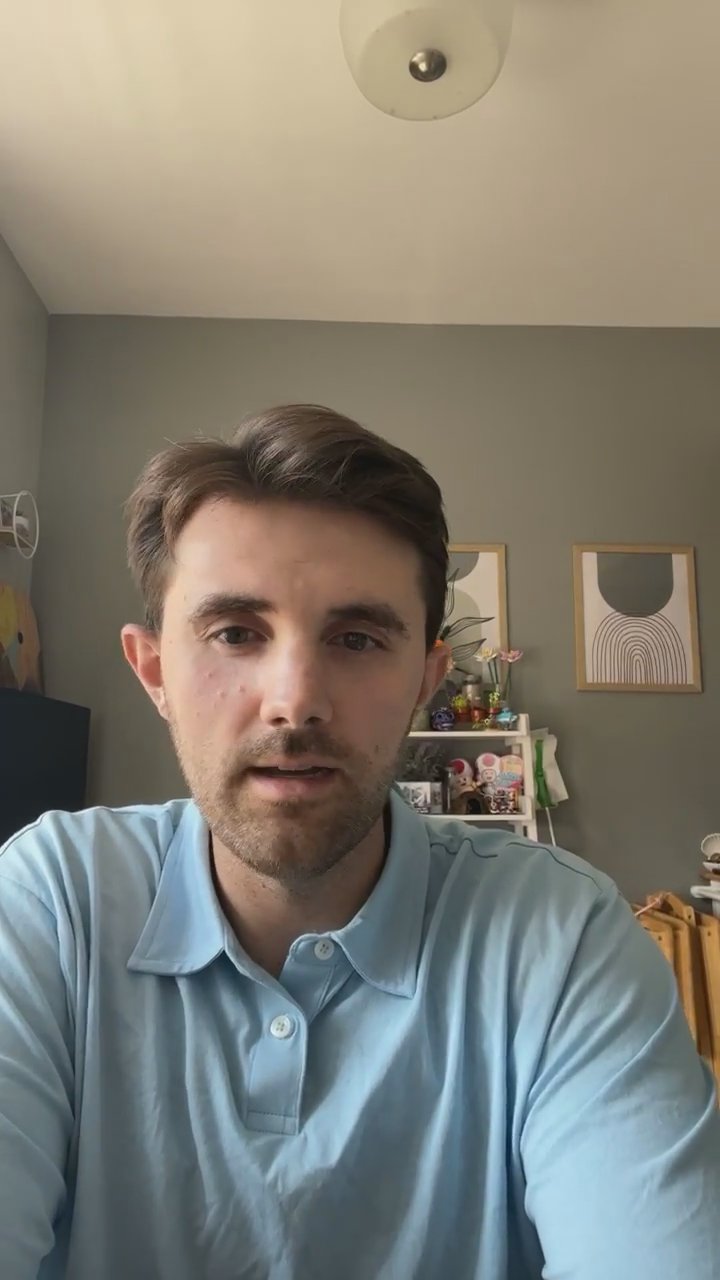
A live talk explores leadership as a practice of inquiry, urging leaders to ask questions, resist quick answers, and cultivate critical thinking in themselves and their teams. It links mindfulness to courageous role-based reflection.
It's warm today in Duluth. Already about halfway through July. As a student, I'm not happy about it because that means my summer is almost over. Give it about a minute here. Let people join in.
There's also saying how we're already halfway through July. That means that my summer is more than halfway over. While the weather is nice, it's bittersweet because it's almost gone.
So today I'm talking about leadership inquiry, and what does it mean? As a leader, everyone is a leader. True leadership starts with asking questions and building the skills in our team members. It's about adapting yourself, adapting your team to the situation, and asking the right questions.
As the leader at the heart of inquiry is courageous, you have to have a lot of courage. Questions lead to insights and then lead to more meaningful action. Not the superficial quick fix action, but action that can really solve problems.
When you're faced with a question, resist the urge just to provide the quick answer. Instead, maybe ask another question or go a little deeper. It just encourages deeper inquiry and empowers the other person to think critically.
So that is my live stream for Monday the 15th. We have JC on at 1230. And I hope you have a great rest of your Monday. And Cindy, stay cool.
Hello. Hello. Happy Monday. The 15th. Already about halfway through July. That's crazy. As a student, I'm not happy about it because that means that my summer is almost over, and it feels like my summer just started. So that's a. It's a bittersweet time for me. Give it about a minute here. Let people join in. It's warm today in Duluth. Hi, Cindy. It's warm today in Duluth, I was saying. So I'm guessing it's probably warm everywhere else in the country, because if it's warm in Duluth, it's got to be warm everywhere else because I feel like Duluth is the last place to get warm.
Hi, Nate. Jules. Welcome. Happy Monday. There's also saying how we're already halfway through July, which, as a student, I'm not happy about, because that means that my summer is more than halfway over. It's just crazy to think about. So while the weather is nice, it's bittersweet because it's almost gone. If you saw the title, we're talking about inquiry. Leadership inquiry. And so hot in Annapolis, Maryland. Oh, I'm sure. I'm sure it's on the east coast there. It's gotta be just concrete jungle.
Probably. This warms up. I was just in Twin Cities, Minneapolis, and it's five degrees warmer, but it feels like a thousand degrees warmer just being in the city. Give it one more minute. Oh, yeah. Okay. So today I'm talking about leadership inquiry, and what does it mean? And again, as a leader, everyone is a leader, whether it's a whole team, whole organization. Maybe it's just your family, and maybe it's just yourself getting through life challenges. Everyone is a leader. So maintaining inquiry is essential.
And I got inspired for this by reading, wherever you go, there you are by Jon Kabat Zinn. So this is kind of a leadership mindfulness combination talk. So, as leaders, it's easy for us to jump to conclusions based on our experiences or preconceived notions. But true leadership starts with asking questions and building the skills in our team members. So it's continually asking questions and exploring for the right answers to every situation. All situations are different. It's about asking yourself, who am I in this role?
So as a leader, who am I? As a team member, individual contributor, who am I? As mom or dad or son or daughter, who am I in this role? Maybe it's just to yourself, who am I? What's my identity? And what does it mean to lead effectively in this position that I'm in? Again, all positions are different. All situations are different. So what does it mean for me to be effective in this moment? And then where am I guiding my family or my team or myself? Where are we headed? To an individual contributor to a team, you're just as important as a leader because you have to do the work, too.
So where are you guiding the work? Where are you letting the leader take you? Where are you guiding everyone else? So, inquiry, it's all about not having these quick answers or easy answers, but it's more about deeper reflection and understanding. And I know probably right off the top of your head is, well, I don't have time for going deeper into a lot of different situations, sitting there and asking questions. I kind of just need to get things done. But it's just asking maybe just one more right question to get deeper, to find a better answer.
So, as leadership, it's not about always having the answer either. Since situations change, it's about adapting yourself, adapting your team to the situation, and asking the right questions so others on your team can become self sufficient. As a leader, would you. If you keep having team members come and ask you small questions, your schedule is going to fly up. But if you train and teach people how to do things, people become self sufficient. It's like the saying, if you teach a man, if you give a man a fish, he eats for a day.
If you teach a man to fish, he eats for a lifetime. So as a leader, if somebody comes and asks a question, if you ask another question and ask another question, then they can come in and learn your thought process. It's kind of a thing that me and my mom do where she told me that if she loses something, she always thinks, well, where would Matt look first? What would Matt do first? Or if I lose something, I do the same thing. Well, as a kid, my mom would always find everything for me if I lost it.
So I think, well, where would my mom first look first? What question would she ask? So as a leader, it's inviting the team member, or maybe in a family, it's inviting your kids into your thought process, so you're not just giving them these answers where they don't really know why the dots connect, but instead the whole thought process. So next time they're in the situation, they can think, well, what would so and so do in a situation? So you're actually minimizing time downstream by inviting questions and asking questions ahead of time.
So every day we encounter challenges, all different sizes, small, big, and then we're always looking to rush them and have answers for them just to get rid of them. But oftentimes if we do the quick fixes, they're going to come back around. So we have to get down to the deeper core issues and think, how can I really approach this problem in a way that aligns with my values and goals and everyone. Hi. I speak wonder in the Cadre fame, talking about inquiry, getting everything, you know, not to solved, but to the deeper issue.
So as a leader at the heart of this is, and that's exactly it. As the leader at the heart of inquiry is courageous, you have to have a lot of courage. I know as a young person in job roles, or I work with a baseball team, when people ask me questions, I feel like I always need an answer and maybe don't give the best answer. But it's instead of taking a seat back and asking maybe just a question to get at the deeper issue so it's not rushing to judgment. Yes, courage is the most important thing, saying that maybe I don't know the answer, but let's figure it out together.
That way, you both will benefit from it. Or if you do know the answer, asking questions so they can come to their best judgment later on. So it's having the mindset where questions lead to insights and then lead to more meaningful action. And not the superficial quick fix action, but action that can really solve problems. So today I invite you to, when you're faced with a question, either from a team member, maybe from your boss, from your supervisor, from a leader, maybe from someone in your family, resist the urge just to provide the quick answer, the immediate answer, but instead, maybe ask another question or go a little deeper.
And as I know as a leader, if a leader asks you a question, you probably want to give them an answer right away, but maybe try to get deeper into what they're figuring out so you can really provide them with the answers. And if you're asking questions, maybe just continually ask questions. If you have the time, it's called the question cascade. That way you ask questions, they'll probably start asking questions, and you really get to the deeper issues for both of you to grow. And I develop. So, like, if someone asks you, how should we approach this project?
Instead of jumping to the solution right away, maybe ask them, well, what's the most challenging part of this project? And then let's figure out how we can redo that and then build from there. So it just encourages deeper inquiry and empowers the other person to think critically. And then it also forces you to have that courageous, to be that more aware, to be that more vulnerable. Von vulnerable. I hate the word. I can't pronounce it. That's why I hate it. Humble leader, we go with that one. And then the focus then shifts from the quick fixes to more thoughtful exploration.
So, yeah, let's ask one more question today in your conversations and lead to a little bit deeper reflection for both. So that is my live stream for Monday the 15th. We have JC on at 1230. And you're welcome, Cindy. And I hope you have a great rest of your Monday. And Cindy, stay cool. I know it's probably gonna get hotter as we get into the afternoon, so bye, everyone.
Reactions and comments are for members. Joining is free and takes a minute.