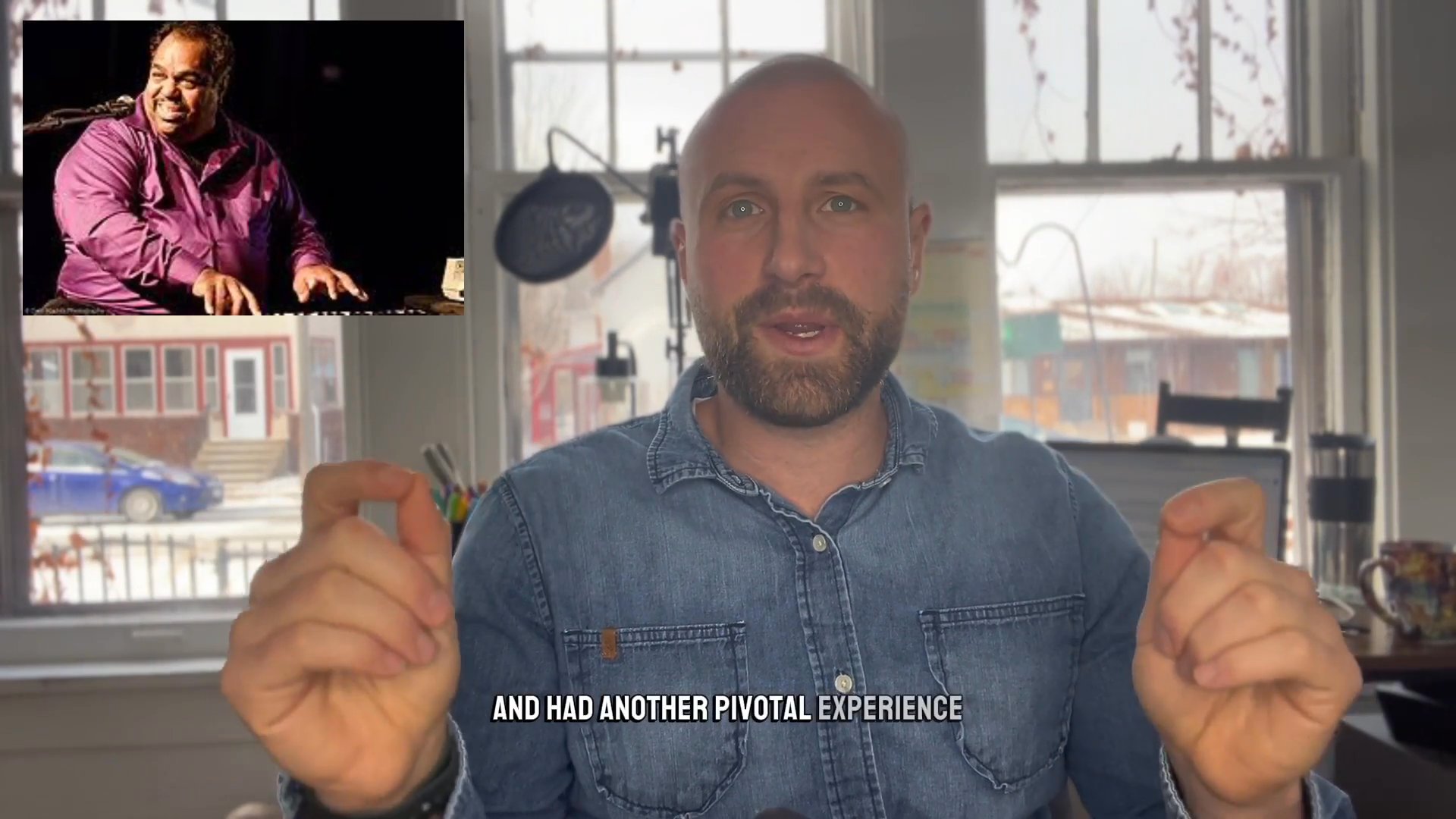
In the second video of the "Extraordinary People" series, Evan, our resident mental health and addiction therapist, highlights a figure he considers one of history's most effective communicators. Discover the story of Daryl Davis, a man who has remarkably led individuals away from deeply entrenched, hateful ideologies, inspiring them to see the world anew and renounce their destructive beliefs. Don't miss this powerful episode, where Evan delves into the impactful lessons we can all learn from the extraordinary life of Daryl Davis.
Darrell Davis may be the best communicator I have come across. His ability to dismantle some of the deepest hatreds of humanity with simple conversations is unmatched. He made it his life mission to convert as many people as possible, whether it be the KKK or neo Nazis. His story has helped me be more effective with my clients.
Welcome back to my series on extraordinary people. And this man probably inspires me more than just about anyone else. His story really speaks to me as an addiction and mental health therapist, and you need to hear it. Darrell Davis may be the best communicator I have come across. His ability to dismantle some of the deepest hatreds of humanity with simple conversations is unmatched by anyone else. Now, Daryl had some interesting experiences growing up. It wasn't typical because his father was in the military, so they got to travel the world eventually.
When they settled down in the US, Darryl had a pivotal experience that changed his life forever. Now, like many young boys, he joined the Boy Scouts. And on a particular parade, he experienced some racial hatred towards him. People throwing bottles and yelling his way. And he did not understand what was going on whatsoever until his parents sat down with him and explained they did this because he was black. This really stuck with Daryl because he could not logically understand why someone would hate him without knowing him, without ever having met him.
Now, fast forward. Daryl became a very successful blues musician and got to travel the country and had another pivotal experience when he had an exchange with a man at a bar, a white man, who later revealed to him that he was part of the KKK. And this Darryl saw as an opportunity to better understand him. Hearing his racial ideas of white supremacy, they sat down and had conversations, and Darryl really sought to understand his point of view. And they eventually formed a friendship. Now, the more conversations they had, the closer they became.
This man began to start knowing Daryl as a human being and not just another black man. He never really had many interactions with others and got to see his humanity and the error of his ways. Eventually, this man left the KKK and disavowed the group and his beliefs. Now, Daryl realized how profound this experience was and made it his life mission to convert as many people as possible, whether it be the KKK or neo Nazis. And he began to start going to their marches, to their rallies. And eventually they started accepting him.
He would just show up. He wouldn't give his opinion. He would just listen. He would get to know them. And more and more people had that same experience. And more and more people started disavowing the KKK. Eventually, he collected over 5100 or more robes of people who denounced their initial beliefs, who left that ideology for good. Now, how did he pull this off? Well, first, let's start with how he initiated these conversations and relationships with empathy, to seek to understand their feelings, their thoughts, but also share his own from a place of non judgment.
One of the keys was through active listening to seek to be heard versus giving his opinion. And also something we therapists do, which is building rapport, which is getting to know someone over time and letting that relationship build. And as that happened naturally, a lot of that hatred just melted away. Now, as someone who's been in a lot of tense and conflictual situations, being an addiction therapist, as working in a hospital with patients with psychosis or other behavioral issues, it's really easy to let your frustrations get in the way, to try to debate people, and really that fuels a lot of the issues that can destabilize others and destabilize different institutions that you're working with.
So I've used Darryl's story as a source of inspiration to try to understand others, to try to have more effective conversations and communication. Daryl has been a true inspiration to me, and his story has helped me be more effective with my clients. So I want to know, what do you think of this story? What can you learn and how can you apply this to your life?
Reactions and comments are for members. Joining is free and takes a minute.