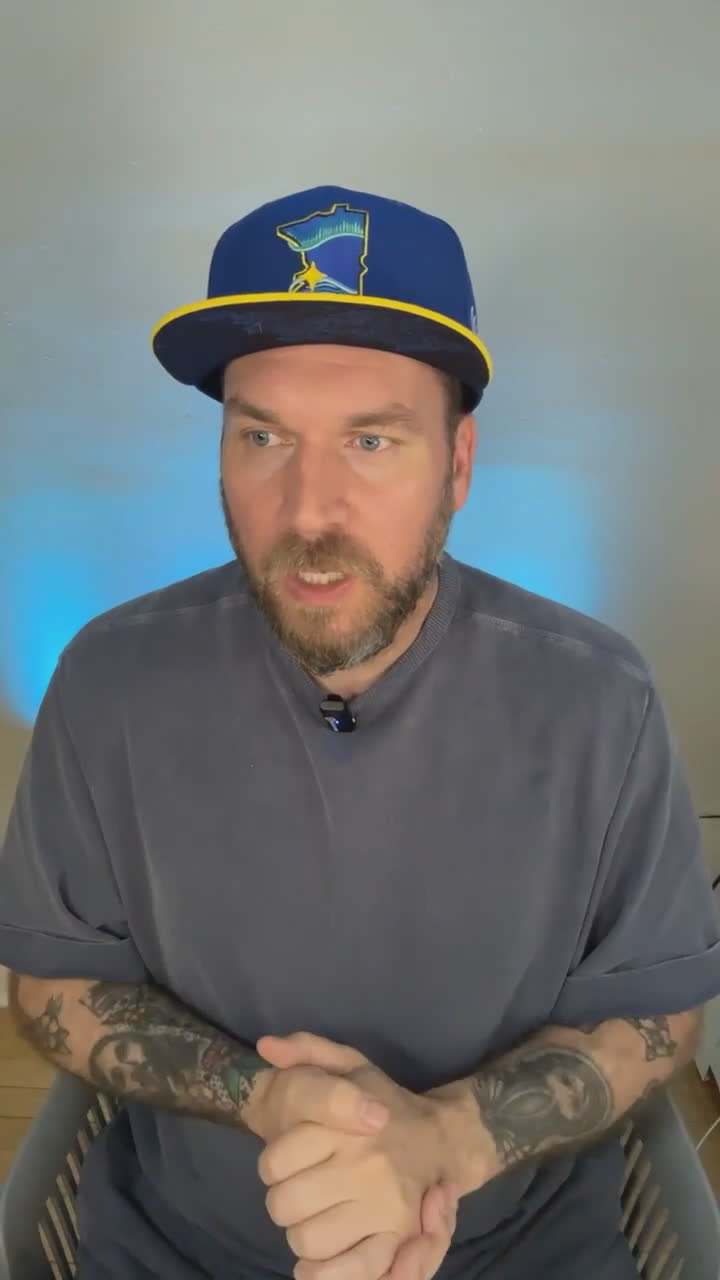
Pastor Seth Perry shares his lived experience of living with bipolar I and addiction recovery, exploring how faith communities can cause religious trauma and discussing his decision to go public with his diagnosis while inviting audience perspectives.
My name is Pastor Seth Perry, and this is my first time here on Cadre. I'm very grateful to be included on this platform. And so I'll tell you a little bit about myself before we get into what we're gonna talk about today.
Seth Perry: I'm a pastor. I'm in addiction recovery. And I'm also in recovery from bipolar type one. And so welcome to you all for this Sunday.
What can we do when faith communities hurt people? That's something that I really deal with a lot as a pastor. It's going to be a lot of the theme of most of my live streams. So you can throw in the chat if you have any perspectives on that.
This is my story about going public with my bipolar diagnosis as a pastor. There was some religious trauma connected to mental health in these communities. I believe that you're actively probably overcoming religious trauma. That's one thing that I will be addressing every Sunday at 01:00religious trauma.
Hello, everyone. My name is Pastor Seth Perry, and this is my first time here on Cadre. And so hello to the Cadre sphere. I'm very grateful to be included on this platform. And so I'll tell you a little bit about myself before we get into what we're, what we're going to talk about today. So I'm Seth Perry. I'm a pastor. I'm in addiction recovery. And I am, I'm also in recovery from bipolar type one. I'm in active, living well with bipolar type one. I've been living well with bipolar type one for 14 years.
And so I have lived experience with mental health and addictions. But I'm also a pastor. And so welcome to you all for this Sunday. And wow, a pastor on a Sunday afternoon. That's what you're getting today. So I'm really grateful that we get to have a chance to talk. And so, Shannon, good morning, and let's get into a little bit about what I'm talking about. I want to start with this one question. What can we do when faith communities hurt people? That's something that I really deal with a lot as a pastor and especially as someone who's in addiction recovery and in mental health recovery.
What can we do when faith communities hurt people? And I see that a lot, and this is going to be a lot of the theme of most of my live streams. It's going to circle back to religious trauma a lot because that's what I witnessed, that's what I see. That's my reality. So you can throw in the chat if you have any perspectives on that. I'll eventually get to anything on the chat just later on in this brief stream that we have today. So I'll say a few observations. Most people want spiritual communities to be healing right?
And most people want spiritual communities to be safe. And most people want spiritual practices to affirm who we are. But unfortunately, what happens when faith communities and spiritual communities are the opposite of healing? And what happens when faith communities become unsafe for other people? And what happens when faith communities are forceful in their relationship with other people's identities and just who they are and what they do in this world? What happens? And so we're asking, what can we do when faith communities hurt people?
And so we're going to get into that by talking a little bit about my experience. And Shannon says, this is personal for me. Yes, I've lived this, and overcoming it is consistent. So I believe that you're actively probably overcoming religious trauma. And that's one thing that I will be addressing every Sunday at 01:00 religious trauma. So keep sharing in the chat anything about your experiences while I tell you this story about my life and how I became who I am today. This is my story about going public with my bipolar diagnosis as a pastor.
And here's how this all worked. Now, interestingly enough, I was studying to be a pastor. I was in recovery from addiction, and I was incredibly comfortable discussing my life in act of addiction with people who were in the christian communities that I was a part of. It was easy for them to understand that addition was something that happened in your past, right? And that's something that you left behind. For many people, that's what they believed, that's what they saw. It was something to overcome, but it was different with a mental health diagnosis.
So I spent many years keeping it to myself that I had bipolar type one. It was very hard for me because I had to go through a master's degree program, getting my degree in theology, and I didn't tell anybody. Part of getting your degree in theology and becoming an ordained pastor means that you have a psych exam. And so for myself, that terrified me. Another thing about becoming a pastor is that there's some rigorous scrutiny of your life by the people who are the religious powers to be in your denomination.
So I went through that, and I went through all of those things, keeping my diagnosis to myself. I believe that I was never going to share that openly. Not only that, then I went on to my first internship as a pastor. Didn't tell anybody. Then after that, I went into my first career opportunity as a pastor. Didn't tell anyone that I even was a chaplain at a drug and alcohol treatment center. And I never shared that I had bipolar disorder. I thought that it would kind of weaken my, hmm, maybe my credibility as a spiritual care provider.
And I really was in my own head about this whole thing. So eventually, the day came, I was at a new call. That's what we call it in my business. I was called to lead a congregation. And one day I just thought, you know what? I'm going to lead with vulnerability. And I'm going to make an announcement. I'm going to tell people that I have mental health diagnosis. I live well with bipolar disorder. And so I did. And so what I did was I created a video. Many people saw it. People started talking, and a deluge of people came into my office saying, I know someone who's living with a mental health condition.
I'm on medication myself. You know, I have lost loved ones for various circumstances due to mental health conditions. And there's other people saying there's mental health issues that have been happening generation upon generation upon generation in my family, and we've never talked about it, and we just started talking about it. And at the same time, I began to open up my eyes and learn that there were other people, even other professionals, not just spiritual care providers. There were other professionals out there that were being open about their diagnosis.
And I found out there were a lot of pastors that were beginning to be open about their diagnosis. So what does that have to do with religious trauma? Well, I realized that there was a history, a history in the spiritual communities that I led where unfortunately, people were shunned, people were receiving abuse of various types. People were unfortunately told in many cases that they could find healing outside of psychiatric intervention. Many people were promoted faith healing. There were a lot of harmful practices around mental health, specifically in christian faith communities.
And I began to see it spread outward into other faith communities. I started to see people struggling, you know, my muslim brothers or folks in jewish communities and people in indigenous faith communities, other spiritual communities. So there was some religious trauma connected to mental health in these communities. And so that's really been the focus of the work that I've been doing. And what it's been like for me is that it has been a freeing experience. It has been something that has been a heavy load, but it also has been something that's been incredibly rewarding because I have gotten a lot out of having conversations about spirituality and its relationship to faith.
And also in that intersection, there is something about our own wellness in there, and I don't think christians really have the best vocabulary to talk about it. And so I'll be uncovering that in my series of live streams here every Sunday, and I'm happy to be here. And I want to recommend a livestream that I got a lot out of. Last week, a Cadre contributor talked about inclusivity and spirituality and mindfulness. It was a live stream called mindfulness at work, and it's with Steve and Amelia. It's tomorrow morning, that is on Monday mornings.
Very good. I got a lot out of it, and it inspired me, and I'll be checking in on that. And so look for that tomorrow morning and always look for me. 01:00 here every Sunday. Make sure to check in with me. And next week I'll be talking about how I have witnessed religious trauma in indigenous communities, and I want to center my role as a settler in that experience. So it's been a wonderful nine minutes. Thank you for joining me, and please continue in interacting in this wonderful space we have on the Cadre sphere.
It's been an honor and I appreciate.
Reactions and comments are for members. Joining is free and takes a minute.