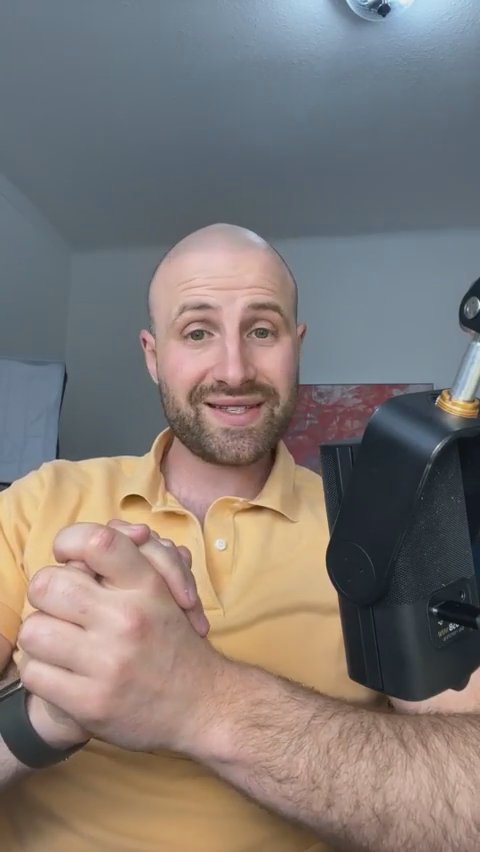
Evan Lieberman explains differences between everyday low mood and clinical depressive disorders, reviews DSM criteria and core symptoms, and outlines depressive subtypes and when diagnosis matters.
Evan Lieberman: What a general idea of depression is versus clinical depression or diagnostic depression may be a little bit different. We'll talk about the differences and the types of depression and go through some of the symptoms.
Major depressive disorder is a list of nine symptoms. You have to have five or more of the nine and they have to be present during the same two week period. As therapists, we have some leeway, and sometimes, like, you got to learn the tricks of the trade.
So depressed mood most of the day, nearly every day, is indicated by subjective report. Another classic is markedly diminished interest or pleasure in almost all activities. Could be like gaining weight or losing weight, increased appetite or lack of appetite. Language matters.
Sleep affects mood just to an insane degree, very high degree. Major depressive disorder and generalized anxiety are the two most common reasons people seek treatment. With any of these, there could be other explanations.
Psychomotor agitation, depression, loss of energy, feelings of worthlessness or excessive or inappropriate guilt. There's a lot of push to remove some of these words, but there's some truth to it.
Recurrent thoughts of death, suicidal ideation. Intensity is what I'm looking at, not just number of symptoms. There's different interventions tailored for different disorders. Diagnosis does matter.
The types of depressive disorders include postpartum onset, persistent depressive disorder and mixed features. Seasonal effective is like, okay, it's winter, does this, you know, not just right now.
There's something we have called adjustment disorders. It just means you have a significant life event and you're feeling either depression or anxiety. When is it important to seek treatment? How can I recognize it in others and my loved ones?
All right, here we are, another live session. I am your local Cadre therapist, Evan Lieberman, and we are going to go ahead and hit an awesome topic, at least I think so. So we're going to talk about depression. Sounds like fun, right? But I think it's. I found that some of my clients and just people in general, you know, tend to have some misconceptions around depression. And I think it's, especially if you have an interest in mental health, it's sometimes interesting, for lack of a better term, to hear about how we therapists, psychologists, whoever, diagnose it, because, like, what a general idea of depression is versus clinical depression or diagnostic depression may be a little bit different.
So let's. I want to talk a little about the differences of those. And this is something you could take for yourself if you're like, hmm, do I, you know, do I have depression? Is this something that I need help for? So we'll talk a little bit about the differences and the types of depression and go through some of the symptoms. And I could give you a little bit of my experience and what I look for as in a therapist, pardon me, when I'm diagnosing and treating depression. So we're just going to go over the diagnostic part today.
So what I did was I pulled up my handy dandy DSM. And for those of you who don't know, that is the diagnostic and statistical manual from the American Psychiatric association. So this is basically the book that we use to diagnose and it lists all the symptoms and different disorders. And, you know, there's plenty of criticism sometimes, I think, founded sometimes not about how depression is, dia depression, but like any mental health disorder is diagnosed, how we look at it. But this is just like, I think a general guide, right?
And what the DSM attempts to do is identify patterns, right, of how we, how our brains work, right. And what a disorder is just in a large sense, is basically a psychological, just humanological experience that creates consequences. Now, those consequences could be external, they could be internal, but basically it's any, you know, it's any pattern behavior or psychological emotional experience that has a negative impact on your life. Maybe that's better word than just consequences, but, you know, from the addiction standpoint, we use consequences a lot, but I mean, things that negatively impact your life are inherently consequential, right?
So in society we have the phrase depression. And I think every, I think everybody generally knows what that means, what that feels like, has experienced a state of depression, maybe not clinical depression, but just depression. You know, I tend to believe that. I'd be hard pressed to find someone that hasn't had, you know, some serious feelings of depression feeling down. Right. But the question is, what is the difference between just feeling sad or having a bad day or two or three, feeling unmotivated, feeling like you're in a funk.
Like, what's the difference between that and what we would diagnose as clinical depression? Like an ongoing issue, repetitive issue that really has ongoing negative consequences. And there's a lot of overlap there. Right. And sometimes it may not matter. And a lot of this is just for insurance purposes. I put a, you know, there's different codes associated with all these that I put down, so your insurance will cover the service because it is considered a physical disorder. You know, like, you know, there's codes for if you break your arm or cancer.
I mean, there's, you know, these are all under these various codes. So, you know, the colloquial everyday term depression really does, I mean, line up again. We've all experienced sadness, feeling down, but the question is where does it cross the line into what we would consider clinical? So I'm going to go over. I'm just going to go through and I'm going to read some of the symptoms and give a little insight into my experience and what I've seen. And so what we're going to start to talk about first or what we're going to base this on, and its core is major depressive disorder, and that's the most common one we diagnose.
And what the DSM states is that the major depressive disorder is the classic condition, right. Like this is all the other types of depression are kind of based on this core and any of the deviations. And we could talk about what that looks like, but they all kind of stem from these. Like, these are the core symptoms. And if you have an episode with these symptoms, you know, under a certain category, you know, this is what it's going to fall under. Right. And we'll go over a couple of the different kinds of depression, too.
I tend to go too long on these, but whatever. Maybe you all are interested, if you're tuning in, and I think so because, I mean, we've all experienced it before, so that's why I like to talk about this. So major depressive disorder, right. There's a list of, let's say, nine symptoms. And what it says here is that you have to have five or more of the nine and they have to be present during the same two week period represent a change from previous functioning. So basically, it's like if you're always kind of down and depressed, and that's like your normal state, you know, which is a little more rare.
If you're, like, always down, then that wouldn't really count. Right. And we'll talk about that, too. Not to make things more confusing, but what does that look like? If this is kind of your normal state of feeling down, which is one of my favorite disorders, even though that sounds kind of bad, but I'm a therapist. I'm allowed to have some favorites that fascinate me most during the last same two week period. So basically, it's like I have to have a period of feeling down for at least a couple weeks in a row versus just a day or two, I think.
Yeah. So that's the minimum. And you have to have it present most of the day. Not just like I'm feeling down in the afternoon or for me, after lunch, kind of now I get a little sleepy, but I'm okay. But not feeling too sad, but, you know, just not. It just has to be present most of the time. Now, the thing is, it says five out of nine. Now, let's say you have four. Can I just say, sorry, insurance won't cover it, you're not depressed. See you later. No, these things are not necessarily like, as therapists, we have some leeway, and sometimes, like, you got to learn the tricks of the trade, right?
How can I treat someone and bill their insurance if they don't perfectly meet the criteria? So we have other specifiers where I could say major depressive disorder, unspecified, otherwise specified, which just means that it's significant enough, but doesn't maybe meet the perfect criteria of major depression. Just straight up. So we got a little leeway there, and we can't push it too far, but we could stretch because it's the right thing to do often. So let's say you have two symptoms, three symptoms.
Let's say you have one, and that one symptom is really debilitating. Then I would find, use that workaround. Anyways, you're all like, okay, what are the d*** symptoms already? So here we go. So depressed mood most of the day, nearly every day, is indicated by subjective report. So what you're telling me or observed by others. So what I feel, what others see could be used as to. Yeah, so just feeling down, right? That's just that depression that you know of and feeling down and sad and that kind of thing.
Sad, feeling empty, feeling hopeless. They say tearful in children, adolescents. It could be, like, seen as irritability, so they say. And then another one classic is markedly diminished interest or pleasure in almost all activities, most of the day, nearly every day. So they really specify most of the day, nearly every day. So, I mean, this is so common. You know, it's like, I love to cook, and all of a sudden I just don't have any interest. I don't have the motives. It's like a lag. So this is like, basically a lack of motivation to do what you normally like to do.
This is a huge indicator to me. And for people who are experiencing, it's like, whoa. Like, I usually like working on cars, and for some reason I don't like it anymore. So I think this is like, a really important indicator to look at. And that's very common. Another interesting one, I actually got this question from somebody who emailed me, but they talk about, like, appetite. And so the interesting thing about this one is it could go either way. So significant weight loss when you're not, like, dieting, like, purposely.
And it gets really specific, like, change of more than 5% total body weight in one month or decrease in, increase in appetite. So basically it could be like gaining weight or losing weight, increased appetite or lack of appetite. So this would be, like, different than an eating disorder where, you know, maybe it's not based out of a fear of, like, losing or gaining weight. This is just a lack of appetite or increased appetite, you know, maybe an increased desire to eat on, quote, unhealthy foods and any of the eating disorder people out there, I'd get in a lot of trouble and use words like that.
Right? Because no food is inherently healthy or unhealthy. It's, you know, how you, you know, what is your approach? What is your mindset around it, you know? Or are we, are we eating within, you know, reasonable moderation, right? So I got to say that so I don't get in trouble with my eating disorder, peeps, and. But I agree with them. I really agree with that philosophy, but language matters. All right, so the next one, this is another double edged sword here. Insomnia or hypersomnia. So insomnia, most of you know what that is, which is difficulty sleeping.
And this is a big one, too, because, you know, this is like a huge cycle. Like, pretty much all these you could view as a cycle, right? Like, I can't sleep, therefore I don't get good sleep. Sleep affects mood just to an insane degree, very high degree. And so therefore, I feel more depressed, therefore more insomnia. Maybe then we'll talk a little bit about how anxiety plays into this, too, because those things are closely related, because this major depressive disorder and generalized anxiety are the two most common reasons people seek treatment, and they often go hand in hand.
They're very what we would we call comorbid. So insomnia. Now, the other end is hypersomnia, where it's like you're just sleeping all the time, right? You're sleeping in, having trouble getting out of bed. We've all been there. But again, when this is happening every day for weeks on end and accompanied by these other symptoms, we're like, okay, hey, here's a red flag, right? So no, one of these, in and of itself, is usually. Usually like I was talking about earlier. Well, what if you just have one and it's debilitating?
Yeah, theoretically, sure. But I mean, usually, you know, if you really are experiencing depression, you know, to this degree, there's. You're gonna have quite. You're gonna have at least a few of these, right? So we all know what that's like, and, you know, but imagine having that for days, weeks on end. Now, with any of these, you know, I keep going on these little tangents, but we'll come back. But with any of these, there's, you know, there could be other explanations. So if, like, for example, you just, like, have a loss of appetite, I'm not gonna be like, oh, you have depression?
Because there's a lot of other reasons. You know, we learn more and more about how physical conditions affect mental health, right? So, like hormone imbalances, you know, a variety of other ailments that can accompany depression, traumatic brain injuries, a whole bunch of different things. So this one's interesting, all right, whenever I go into this voice, we're getting. We're getting fancy here. So psychomotor agitation or retardation, another word we may want to move away from. But, you know, looking at that from a medical, you know, like, just like, you know, a flame retardant, something that slows down.
Right? You know, something that stops a fire. It dulls a fire. Okay, so let's not get too amped up. So psychomotor agitation or the r word, nearly every day, observable by others, not merely subjective. So I guess for this one, they're like this for a lot of symptoms. It's like this kind of has to be observed by other people, too, for whatever reason, because to them, it's like an indication of severity. When we get into bipolar, elevated episodes, it's like, this is probably not significant to that degree unless people are noticing.
I may argue that a little bit, but, I mean, there's some truth to it. Psychomotor agitation. Why do I keep reading this? Because it makes me have to say this word. So, basically, feeling slowed down, but also is restless, but just, you know, psychomotor meaning, like, physical, like way down. You know, it's like feeling like you got, like, a heavy blanket on you. Something like that. Right. So if you maybe if you've been there, you know what that's like. You know, and then kind of a lot of these go together.
Fatigue, loss of energy, right. That maybe goes with the hypersomnia, or maybe you're sleeping fine, but you just don't have that much energy, you know? And, like, for. Like I was saying, for example, like, again, like, this could be like a ten hour livestream if I wanted it to be. With all these tangents, I could go on. But let's say with, like, a physical condition, if you've ever had, like, a hormone imbalance, you know, you feel like, this fatigue, especially for, like, a guy. I could speak more to a guy.
I mean, I could talk about, you know, estrogen, but let's just stick with the dudes for a minute as a dude. But, you know, like, if a guy, like, a lowering. Because actually, I don't know as much about female, but I know that lowering of testosterone levels is associated with lack of sex drive fatigue. So, actually, a lot of times when a guy is experiencing depression, I may have them get their testosterone levels checked. So that could associate with that. Um, yeah, so there we go with fatigue and loss of energy, feelings of worthlessness or excessive or inappropriate guilt.
Now, when they say things. Now, again, this is where language matters, and it matters more these days. But, yes, there's a lot of push to, like, remove some of these words. But again, like, I get what they're saying. Right? So it's like. It's like if I were to bump into you on the street, you fall down, you scrape your leg. I feel really bad about it, right. And that's pretty normal. And again, another. Another word that could get a little misconstrued. But, you know, we say normal. You know, it's like, average, right?
So your average person, if they knock you down and you scrape your leg on the street, may feel guilty for, you know, an hour to 24 hours, and then you're probably getting over it. Right? Right. But it's like this. You know what they're saying here of, like, inappropriate meaning. Like, I feel guilty for four days because I accidentally bumped into someone, right. And that's just like a silly example. But, you know, that's super common, like guilt. Shame is such a core part of depression, right? Because so much of it, at the end of the day is about how I view myself, how I view the world.
You know, what lens do I view that through? And when you're feeling depression, I always say it's like putting on the dark goggles and maybe you don't even know you have them on. So it's like I strapped some dark goggles and everything is like a shade of gray. Colors aren't as vibrant. I'm looking out the window right now. It's very overcast. You can see maybe I don't have as much light coming in here. That's kind of like what, you know, depression is. Now, the more depressed I am, the more dark those goggles are.
It just doesn't look that pretty out. Now the sun comes out and the houses, the colors are popping and the grass is greener. Right? So, you know, now those dark glasses push not only to the world, but to ourself. So that could look like shame, guilt, self esteem, which is. Yeah, so that feeling of worthlessness, excessive guilt. Right. I'm feel worthless. And then we have, like, a diminished ability to think or concentrate in decisiveness. So I kind of look at this like not only is your body slowed down, but your mind is slowed down.
So people find like, they can't maybe remember things quite as well. They're not processing as fast. Right. Because, you know, if theoretically, you know, we have a lower level of, like neurotransmitters, right? Brain chemistry associated with energy, feeling pleasure, feeling positive. Right. It's like our brain is slowed down. We, you know, we don't have as many. So it affects your ability to think, make decisions, decisive. Maybe I just, you know, and there's an emotional component there too.
Right? Recurrent thoughts of death, suicidal ideation. So that's another huge one right now. I mean, that's a key indicator there of severity because that's one of the things I always say with any mental health disorder, substance use. It's frequency, duration. Intensity is what I'm looking at, not just number of symptoms. It's probably more, again, more important, frequency. So how often is this happening? When it does happen, how long is it occurring? And intensity is, you know, just that is how severe are these symptoms impacting my day to day functioning?
How much? If this is kind of my normal average baseline, how far? Well, here we're going down. How far down am I from the, from my average, right? So that is, you know, in a nutshell, like major depressive disorder and what I would look for and how to diagnose it at the end of the day, usually, like, let's say I diagnose somebody, right? We talk about it. I could go on a whole tangent about how therapists maybe don't talk about it as much as they should, but I mean, it's like, okay, we'll talk about it, I'll explain what it is, we'll put it in a treatment plan.
And the reason it is kind of important, in my opinion, as far as diagnosing goes, is because there's different interventions tailored for different disorders. And sometimes what's good for the goose is good for the gander. And some of these interventions are going to help for a lot of different things and just your overall well being. And that's why maybe we'll just talk about it at the beginning, we'll refer to it, we'll talk about depression. But like, I'm not going to be like, well, how is your major depressive disorder recurrent?
Mild, you know what, who cares? It's important maybe to have in the back of my mind, but eventually it just kind of all comes together to be like, how can we help your overall mood and quality of life and what interventions are there? You know, and there are some very specific disorders I'm talking about, like schizophrenia, you know, that's more in the front mind because it's like, what's going to work for depression, anxiety? And again, not everything works the same for everybody, but what's going to work for that is not going to help with hallucinations and delusions.
You know, it's just not. So, it's just a different treatment plan. So that's why I think diagnosis does matter. But again, the pendulum swings and diagnosis is everything now. It's like, it's stupid. I'm just kind of in the middle on everything. I'm boring like that. So, yeah, so that's major depressive disorder. Okay, so now what about some of the other types of depressive disorders? As I scroll down, it says the specifiers, right? So mild, moderate or severe, they never really tell you, like, this is mild.
Like, this is how you decide. So I'm just like, what do I think? Right? You know, severe. Usually I'm looking at like, you know, if I'm diagnosed, I don't diagnose it that often. You know, for severe, someone's severe, you know, we're looking at doing more services, like maybe a day treatment, not just meet with me once a week kind of thing. You know, if you're like currently severe. Right. But, you know, I'm looking at suicidal ideation. I'm looking at, can you just not work? Can you not get out of bed?
Or you, is it just, you know, and then everything under that moderate, you know, is pretty intense, but you're still functioning? Kind of. So that's just like how I look at it. Not to mention, is it in remission? Are you doing better? Is it, is there anxiety? I mean, I don't know. Maybe if you're still, if you're still listening, you're probably interested enough. But with anxious distress, meaning anxiety is a big part of it, but why not just give them an anxiety disorder? Well, maybe they don't meet the criteria for an anxiety disorder.
So this one's a little more rare. You know, usually probably just a diagnosed an anxiety disorder if it was that big a part. Mixed features. I don't even know what, frankly, mixed with what? I don't know, melancholic features. That's kind of like the melancholic, that old term melancholy. And that was actually what depression was referred to for ages. Depression has been around for ages. And it was kind of referred to as melancholy. I like that word. It's got a good ring to it. Melancholy. Or if anyone was a nineties rock fan with the classic smashing Pumpkins album.
But I digress. Some melancholic features, you know, which is like, kind of like a low level, long lasting, persistent sadness. So what's, you know, oh, and here's a couple important ones. Right? Postpartum onset, right? So postpartum disorder. Now there's not, the thing is like, that is how we code postpartum disorder. Depression. They kind of just made it part of that. So prepartum onset. So probably like pregnancy. So there you have it. Seasonal pattern. So that is important because very commonly, and for those of us in Minnesota or in the northern latitudes, so to speak, this is very common.
Where the days get shorter, there's less sunlight, less vitamin D. And so a lot of people really experience depression every year around the same time. So that's what I'm looking at if I'm diagnosing seasonal effective is like, okay, it's winter, does this, you know, not just like right now, you know, if it's just the first time you've been depressed and it's December, well, I think that's always going to be a contributing factor. Almost always where it's like, it's not like your depression is going to get magically better because the weather is cold and dark.
That's just not the case. It's either going to stay the same or get worse. Right. But this would have to be recurrent, says here recurrent episodes only. Right. So if it happened last December and now it's happening at the same time this December, well, that may be an indicator. Right. And then there's, again, this is why it's important because there are different treatments, right. Like doing bright light therapy that have been shown that have therapeutic result. Now, if you have depression and maybe it's not just seasonal effective, well, it'd probably still benefit you in the winter to get more of that sunlight or take more vitamin D.
So the other types of depression, again, I was talking about my favorite, which is persistent depressive disorder, also known as dysthymia. Now, this tends to be a more persistent and maybe lower level, so it's not like as obvious. So that's why I like this one. Don't get mad at me for saying stuff like this, but this is why I find this really interesting because so many people have this and don't know it, and then they come to me and they usually come to me when they're in a major depressive episode.
So you could have both. Here's baseline. Here's a major depressive episode, but usually you are going to return to baseline. If it's a persistent depression disorder, you're not like down here, but you're like almost always here. They used to think it was part. They almost, I don't say like a personality disorder, but they kind of thought it was ingrained into someone's personality for how persistent it is. Here it says two years. You have to have this for at least two years because then it's not really an episode.
I mean, and if you can't tie it to something directly, like situational. And I guess it's important to talk about that, but persistent depressive is you're here. And then usually when I see people who have it, they're here. But then as I learn more about them, I realize, hey, they never really seem to be up here. And this one can be much harder to treat, even though maybe you don't go, but you could absolutely have dips. But again, you know, the symptoms are the same as the classic major depressive.
So all of these kind of, you know, could stem from those symptoms. Right. So you have more specifiers, get back into mice. I think it's like the scientist from the Simpsons is what I go do. All right, specifiers. Premenstrual dysphoric. So, like, you know, onset of pregnancy, I believe. Then you talk about substance medication. Right? So there's all these, which I think is important. Segue into there being a lot of reasons why these disorders are what makes something depression. Because, well, what if it's situational right now?
Usually, if it's a certain situation, it may not last every single day. That's, I think, two weeks maybe isn't long, but usually, like a few month period. At least a month. A few months. Because there is natural grief. If you lose a son or daughter or something like that, they would just call it major depression at a certain point, if it moves past a month. But again, does it really matter? I mean, this is just. We're just chopping these things up the best we can. Could I make up a disorder tomorrow, like prolonged grief, which I think they are actually going to put in the next version of the DSM.
Sure. It's like, what warrants treatment? Maybe that's very normal to have grief if you lose a child for, like, six months and you're, like, depressed. Right. But that's still something that warrants being treated. Right. So that's kind of what, you know, what makes difference between just feeling down and depressed? You know, there's something we have called adjustment disorders, and this one is, like, classic among therapists for, like, you're coming to me for therapy. I don't want to diagnose you with something, like, more severe, like depression or ongoing.
I don't want to really give you a diagnosis. So adjustment disorder. Right. And basically that just means you have a significant life event and you're feeling either depression or anxiety, you know, generally. Depression, anxiety. Sometimes, you know, it's actually under the trauma category. So it's like something big, you know, so it could be like loss of a job, loss of a relationship. Right. And then. But if it moves past, like, a month or a couple months, then, you know, then they would call it.
They would just go into depression. Right. Or maybe in the new version, they would call it prolonged grief. So adjustment disorders are very commonly diagnosed. And it's kind of. And I mean, I think it's a legit thing, but so many people just use it as a catch all of, like, all right, I don't want to diagnose you. However, if you're treating someone, I forget what it is, like for more than a month or three. Well, technically, I don't know if the insurance company would really pay attention to the code, like, while you submit it, but technically you're not supposed to do that because then it would need to be either anxiety or depression if it lasted more.
And as I scroll down, we hit anxiety disorders. And that is a good segue here to see you again later. And maybe we could talk about anxiety or anything else you all want to talk about. But yeah, basically that is a deep dive into depression. What is clinical depression, how we diagnose it. And, you know, we could, again, more. The content will be focused on what to do about it because you're obviously wanting to know that. But it, you know, we'll take it one thing at a time. And I think it's important to, you know, have that idea whether it's for yourself, you know, when, you know, when is it important to seek treatment, to seek help?
When. How can I recognize it in others and my loved ones? So that's why we're going to stick with this one today. And I hope you found that interesting and helpful. And until next time, I bid you adieu. Oh, yeah. We got a five second countdown, so we'll just awkwardly sit here.
Reactions and comments are for members. Joining is free and takes a minute.