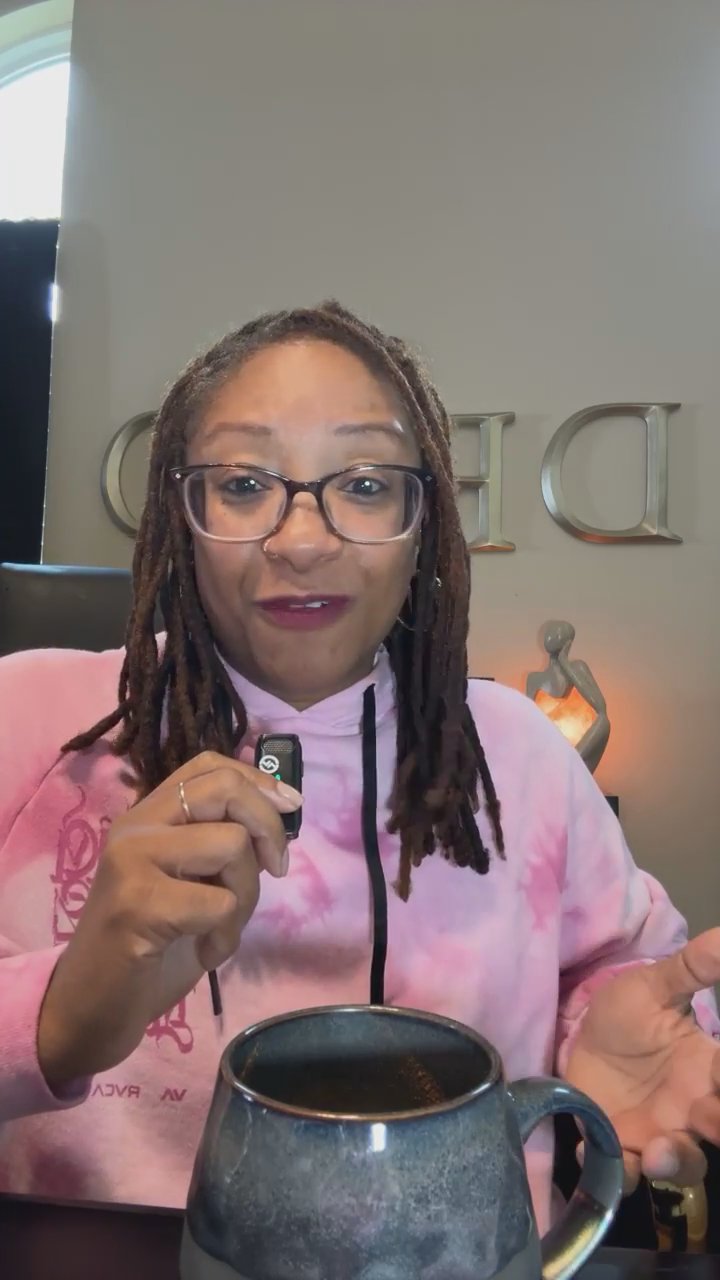
Host explores the complexities of forgiveness, questions the phrase forgive but not forget, and encourages intentional choices about forgiving others or oneself while noting how unforgiveness can erect walls in relationships.
Hey, Cadre. I think I'm live. I'm excited because it is hoodie season finally. This is my favorite time of year with the fall. I hope everybody's doing well.
Luke: We need to forgive but not forget. Forgiveness is not something that happens just because we say it. Holding on to unforgiveness keeps us disconnected.
When we choose to live in unforgiveness, we are putting up a wall. We disrupt the relationship where we can't continue to walk together. I want to challenge us to reframe this forgive, but don't forget.
Forgiveness is a choice. Who do you need to forgive today and make a choice that you're going to let it go? Is there something you've done to betray yourself? I'm going to challenge myself this week to consider, who do I need to forgiving?
Hey, Cadre. I think I'm live. I had to fix my app recently, and I've been getting these little alerts popping up on the screen, so hopefully I'm live right now. I hope everybody's doing well. I'm excited because it is hoodie season finally. It's starting to get cool where I'm at. This is my favorite time of year with the fall. Hello there. And I got my coffee today. I need it, too. But we're going to jump into a hot topic. We are going to talk about forgiveness. Now, forgiveness is one of those trigger words.
I think for some people, it can be a trigger word for me sometimes. Like, oh, you need to forgive. And I tell myself that, and when someone else tells me I need to forgive, it stings a little bit more. I don't know if you guys have that experience, but I want to touch on this idea of we need to forgive but not forget. And I think we're told to do that, and I don't know exactly where that came from, but that statement has always bothered me. Hi, Luke. So let's look at what is forgiveness? You know, I've heard growing up that forgiveness is not for the other person.
It's more for you. You have to forgive because you have to learn to let things go so you can move forward. That's okay. And so with forgiveness, sometimes we're holding on to resentment or these negative feelings, and the person that we need to forgive has no clue that they even hurt us sometimes. They have no idea that we haven't forgiven them. And so they're walking around like everything's okay. They've moved on. You know, they did what they did. They hurt us intentionally or unintentionally, but they maybe forgave themselves and they don't need our forgiveness.
But we're sitting here with these really heavy feelings sometimes, and that interrupts relationships, that disconnects us from each other. So forgiveness has to be intentional. That's one key point I want you guys to think about. Forgiveness is not something that happens just because we say it. Now I have this. I didn't grow up with siblings in the house, but I remember my friends that had pretty big families, and I remember when my friend and her sisters would argue, their parents made them hold hands and tell each other.
Now say that you forgive her. And I remember watching that. I was like, that seems so awkward. Like you're just saying it. You don't really mean it. I could tell she didn't mean it. But sometimes we do that, and I think we're taught as a young kid sometimes that you have to say that you forgive them. You have to say that you've let it go. But even saying it, deep down, that's not our truth. And so we walk around holding on to the pain of whatever happened to us. And that pain can last for years.
You guys maybe have had stories, or maybe this is your experience, where people hold on to unforgiveness even till death, even when the person that hurt them has passed, they still don't forgive them, even in the grave. Or you hold on to unforgiveness until you die. You know? And that's not a good place for us to be. It's painful. It's heavy. It's. It is kind of. It's disconnecting, right? Holding on to unforgiveness keeps us disconnected. So I want us to think about, what does it feel like to walk in unforgiveness?
To me, like, even as I say that, I feel this heaviness in my chest. Hydros. It's tight right here. Like, to be an unforgiveness, it feels not necessarily like a weight, but some people might feel that weight in their chest or in their heart, even in their throat. Sometimes when we need to say something and it doesn't come out, it gets stuck right here. You can feel that tension in your throat. And so sometimes unforgiveness can feel like that, where it's just stuck. You feel stuck in life. You feel stuck in you wanting to do things for yourself and moving forward in life.
And I think when we choose. So, again, forgiveness is intentional. When we choose to live in unforgiveness, we are putting up a wall, and we might tell ourselves that we're putting up a wall to protect ourselves. But again, that wall keeps you disconnected. You put up a block in the relationship where you don't talk to that person, or maybe you interact with them differently, but you are blocking yourselves from getting what you need from that person because you're choosing to walk in unforgiveness, we also disrupt the relationship where maybe that person that hurt us so bad, they recognize the pain that they've caused us, they've apologized, they're changing their behavior.
But when we continue to walk in unforgiveness, we disrupt the relationship where we can't continue to walk together, even when that partner, that friend, wants to continue walking with us. Why do we do that? Why would we do that? Why would we end a relationship with someone because of unforgiveness? When they're choosing to be better, when they recognize. And I think that's sometimes what we want. Sometimes we want someone to recognize that they've hurt us. But when they do, why is it so hard for us to forgive them?
What does that feel like for you? So I want to challenge us to reframe this forgive, but don't forget. And this actually came up in a session with one of my clients this past week. And for some reason, it makes me think about a different path that we get to choose when we choose to not forget. And I don't know if necessarily need to stick with don't forget what they did to you. Right? And when we say that we are holding on to the pain of not forgetting, like, I'm not going to forget what you did to me.
I'm not going to forget how you hurt me. Maybe there is betrayal in that relationship, and you don't want to forget that they betrayed you. But when I look at a different perspective of not forgetting, when there's forgiveness that needs to happen is let's choose together not to forget that there was pain. Because now we're making a choice together to walk forward together on a new path. But we want to remember where we came from. We want to remember how much we've evolved together, whether it's friendship, family, romantic partner.
We want to remember how much we hurt each other. So we don't do that again. Not walking in a space of don't forget what happened because you don't want to forget and you're holding on to unforgiveness. So remember, saying I forgive you does not mean that in your heart you forgave. Okay? So today I want you to. This might be painful, but I'm going to do this for myself. Think about who do you need to forgive? There might be people from your teen years. Maybe when you're a little kid. It could have been a co worker at some point.
It could have been a boss. Maybe there's a. A neighbor. You need to forgive. Maybe there's someone in the church that you need to forgive. But consider who's on that list, because I'm sure it's more than one person. Who do you need to forgive today and make a choice that you're going to let it go. You may not necessarily forget what happened, but choose to reframe how you're not going to forget if you need to remember what happened, because you need to learn to implement a boundary, or you need to learn that, hey, this person has changed they're not the same person I thought that they were or who they were when they hurt me.
Sometimes time gets us to the point where there is change that happens. I also want you to consider, do you need to forgive yourself? Is there something you've done to betray yourself? Maybe you've betrayed yourself with your values. Maybe you made a choice that went against your principles. Maybe you made a decision that you hurt someone else, and you can't forgive yourself for that. You can't forgive yourself for the decisions that you made. So sit with that. Who do you need to forgive outside of you?
And do you need to forgive yourself? Okay, I'm going to do the same. I'm going to challenge myself this week to consider, who do I need to forgive? And yes, there are some things I need to forgive myself for. And it's things that, you know, as I think about this, there might be some things that I've done that went against my principles as, you know, a young girl or a young mother. You know, even some decisions I made as a mom or decisions I made as a friend, maybe there are times where you weren't honest with someone and, you know, you should have been.
So forgive yourself. Forgiveness is a choice. Forgiveness is something that we need to walk in because that feels much better to forgive than it is to walk in unforgiveness. And you don't necessarily have to forget what happened, but reframe that. Forgetness. Forgetfulness. I don't even know what word there is for that, but reframe that into. I'm not going to forget because I want to see where I've come from or see where that person has come from. Okay, so thank you guys for tuning in. I think with this new update with the app, I can't necessarily go back and see the comments that were there, but I will rewatch the video, watch the replay, and if there's anything I need to comment on, I definitely will.
But thank you for tuning in, and y'all enjoy your coffee or your tea today. All right, bye.
Reactions and comments are for members. Joining is free and takes a minute.