Pastor Seth Perry reflects on creating a broad, authentic welcome in faith communities, sharing examples from a local festival and pastoral practice and inviting ideas for inclusive hospitality.
Seth Perry: I want to say hi to the Cadre sphere on a Sunday afternoon. This is the first Sunday of a back to church Sunday. Had a brief, maybe 20 minutes nap. Before I get into what he's going to talk about, you can always reply while I'm chatting.
Jewel: How can we have a broad welcome for people? Jules: Being open to all possibilities. Jewel: Anyone and anything can, can happen. Just need to be open, open to that.
Being welcoming means being educated. There has to be some level of understanding where the world is at today. The way that I run my faith community right now is meeting people where they are at. Take your welcome becomes more authentic and certainly more broad.
Jules: How do we welcome people? Are we going to be white knuckling or open handed? How are some ways in your life that a welcome has been something that's been healing for you? Will be back next week to talk about something new.
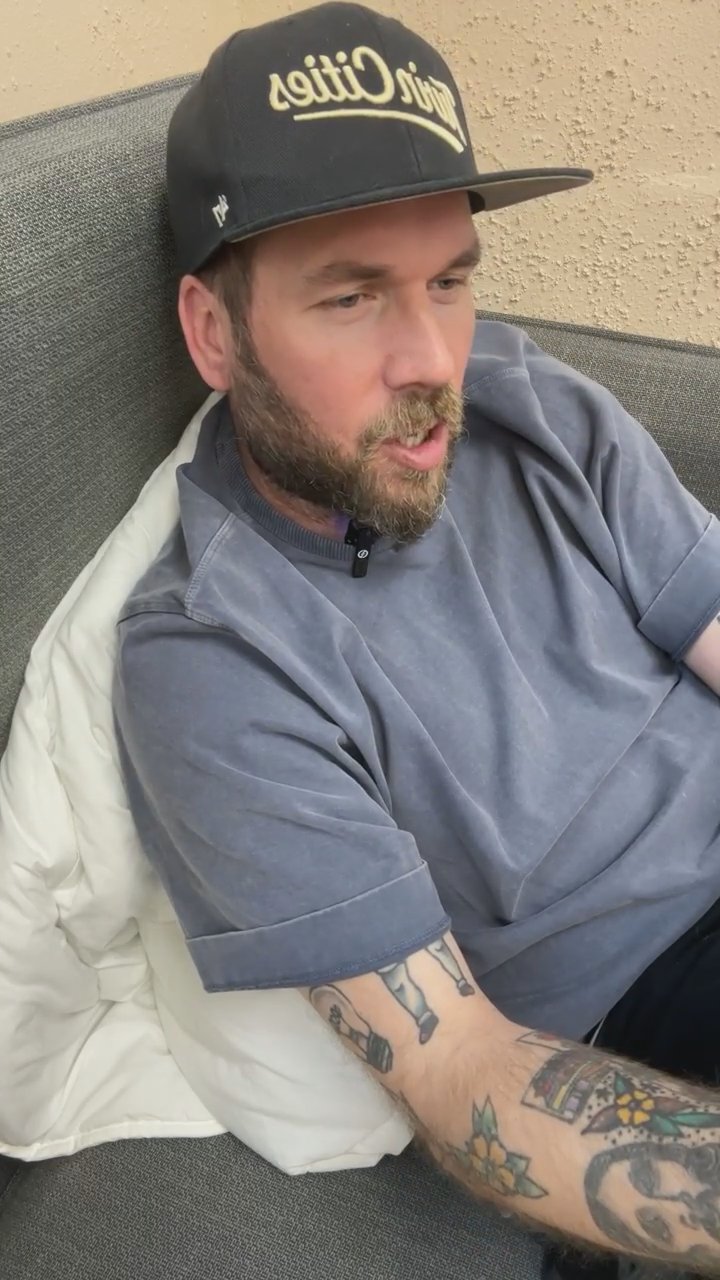
Hello, hello, hello, hello. I'm pastor Seth Perry, and I'm here on Cadre. I want to say hi to the Cadre sphere on a Sunday afternoon. This is the first Sunday of a back to church Sunday. This is the Sunday where, like, everybody comes back to church. So we had a full house for our second service, and so I just want to debrief that a little bit. As you can see, I've got my comforter here, and I'm in my nook that I also use as a bed. And I had a brief, maybe 20 minutes nap. And it is great because I commute into work.
And when I got here this morning, I think it was 630 this morning. So then all the work, two services, greeting people. You know, I baptized the baby. We had guests in from another country into our church. So, Jules, welcome. I'm glad you're here. I've got a wonderful message prepared for us all to kind of think about and talk about today. But I do feel recharged after just having a quick blink of an eye kind of napkin right here. I planned it. I ate lunch, and then here I am in my nook. Had a, had a great nap.
And, Jules, how are you today? I just want to see how you're doing. What have you been doing that's been meaningful for you? Before I get into what I'm going to talk about, you can always reply while I'm chatting, too. So what is the big message today? Well, today I want to talk a little bit about having a broad welcome for people. We have things the way that they are now, and we have things the way that they used to be. And I really hope that faith communities, especially christian faith communities, can stop repeating our past mistakes, because I don't think they really serve the communities that surround faith institutions.
So some things that I, you know, I'll be, I'll be listing a little bit later and I'll get into that. You know, I just want you all to think about, how can we have a broad welcome? So that's the big question, Jules. You can pop that into the chat. How can we have a broad welcome? If you have any ideas about that, I'll name them on air. So why am I thinking about this specifically? Well, I'm in a small town. We just had a big festival here. We have a festival called Taco days in the first weekend or second weekend in September, I think it is.
And that was on Saturday. Um, and so, yeah. Uh. Oh, look at this. Jewel says she decided to recharge being lazy this morning. Finished my puzzle binge. Netflix. And now you're out in the garden. I'm glad you're out in the garden. And you know what? All those things that you did, finishing your puzzle, binging a little. Netflix. I do that as well, so. And Jules adds, being open to all possibilities. Yeah, absolutely. Anyone and anything can, can happen, and so just need to be open, open to that. And I'll share a little bit of a lesson that I was passed on to by my ministry coach a little bit later in this stream.
So we had this big festival yesterday here in the church that I'm a pastor of in the community. People from all over came, and all sorts of things were happening. And, yeah, I thought it was great. You get to see people from outside of the community come to, you know, this area of Minnesota that I'm leading a congregation in. But, you know, then the next day, we invited more guests here. And I just think that, you know, this congregation, this community, can continue to work stretching and growing and expanding our welcome.
And so how does that happen? How does that happen? Being welcoming means being educated. I think that's the first thing that. That I have to make as a point. You can't just say, I'm gonna be welcoming and decide that you're gonna do it. There has to be some level of understanding where the world is at today and all the sorts of people that could come to your door so that you're prepared to provide them love, compassion, and support and not any harm. And like I said, there's a way that things are now and the way that things used to be.
And in church culture, things used to be very narrow. You had to, you know, you had to really fit a particular identity. You had to fit a particular way of life in a morality. The way that I run my faith community right now, and what I learned from other faith communities is meeting people where they are at and being educated about how culture is continuing to progress and how diverse lives and experiences are being celebrated. That's important. You know, that education piece, I think that takes a welcome.
You know, take your welcome becomes more authentic and certainly more broad. So that's one thing aside from the other piece, other than education, is also language. How do we welcome people? And I think that this is the lesson that I really learned. Are we going to be white knuckling things, or are we going to be open handed? So my ministry coach asked me to consider how I communicate with people. You know, I was preparing for a presentation this week, and I was talking about it, and she said, well, I mean, you know, sometimes when you white knuckle things, they can seem inauthentic and the language can be a little bit off and you can be forcing things.
You might be trying to do too much, right? Trying to do too much. But if you're open handed about things and you're just going to let things sort of flow out of you, then you're authentic and you're connected. You're not trying to force an outcome. So that, that's the lesson that I learned today. And I go back and forth sometimes. I can be really, and even this week, going back and forth between white knuckling and open handed, you know, you know, I get into that very narrow language of, you must, this is the way it is.
This is the way things are supposed to be. I want you to do this by then, you know, you know, that that's not very welcoming language, but an open handed approach would be, you know, listening, considering the possibilities, and, and just, you know, feeling a little bit of flow from the heart out to the person that you're communicating with. Person or people. And so that's my reflection for this week. And, and I think it really, it really served me well this week, even though I went back and forth from trying to control things and just letting go and letting things happen.
So. So how are you going to be welcoming this week? Think about that for yourself. How are some ways that you are going to expand your welcome? What are some ways that you can educate yourself about how the world is today and how you need to respond with an open hand and, and how are some ways that you have felt welcomed? That's another thing to consider. How are some ways in your life that a welcome has been something that's been healing for you? Because certainly those are some of the greatest times in my life when I, after a long period of maybe being alone, like I said, I'm in recovery from addiction.
Many of you know that I have a bipolar disorder. And so my twenties were psych wards and treatment centers and active addiction. And I finally received a welcome when I was 29 years old. I was ready for it, and I received that in the recovery community and in faith communities. And, yeah, that was certainly healing for me. And I hope that same thing can happen for you. And so Jules says for her sometimes just accepting what is the. That is beautiful. Absolutely. Thank you so much, Jules accepting what is.
And maybe that's. Maybe that's what I do when I, you know, have just sort of been more observant about having an open hand instead of white knuckling. So, Jules, thank you for joining me today. Thank you. For everyone else who's tuned in and checked this out, you know, check in with me next week. I probably will be on this nook. And if you need to take a quick nap today, boy, I had that quick nap. It felt so good. It was just like a, you know, just a big relief. And I'll probably be on this nook, on my nook in my office here next week telling you about something new, something, some new thing that's happened.
And I'm looking forward to that. So Cadre Sphere. It's always good. And look, for my article coming out this week about Cadre. It should be published this week. I'm looking forward to sharing that with you all. Thanks so much. It's been another wonderful.
Reactions and comments are for members. Joining is free and takes a minute.