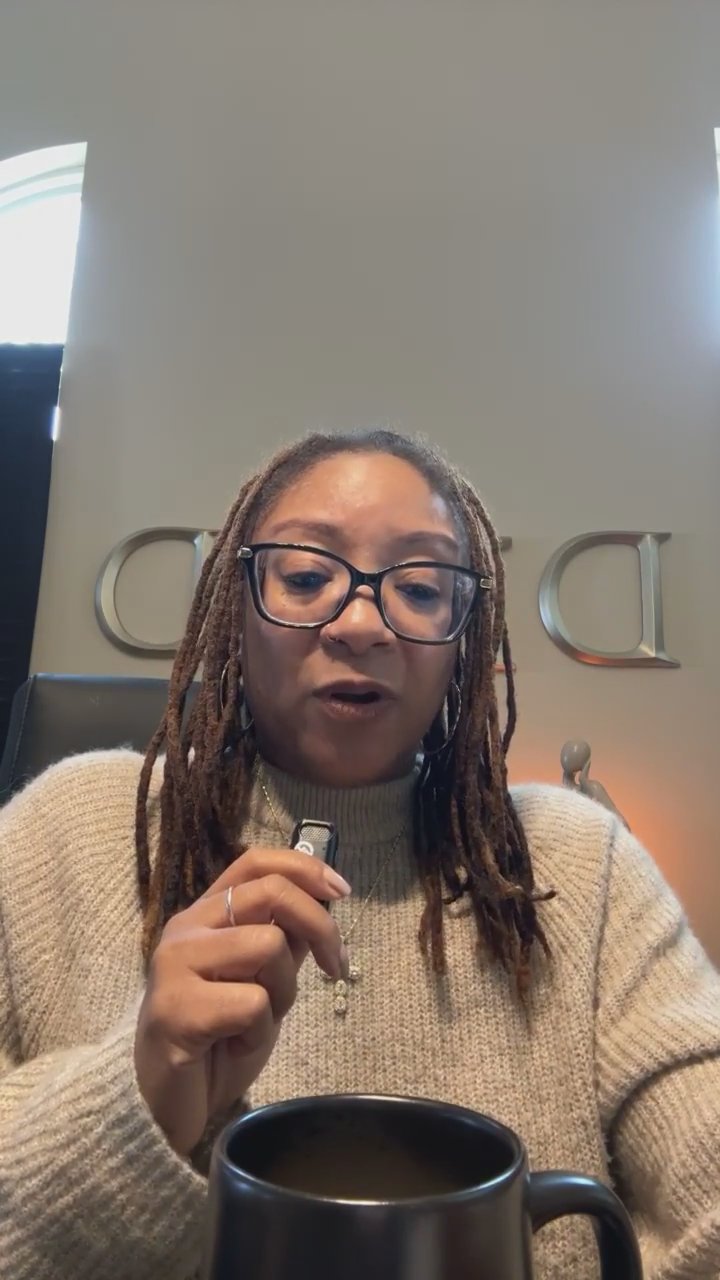
Dr. Leslie Davis explores how anxiety shows up in relationships—family, friends, and romantic—how anxious energy transfers and common physical signs. She reflects on managing around anxious people and navigating holiday family dynamics with compassion.
Dr. Leslie Davis will be talking about anxiety and relationships. Not just romantic, but also with our family. Please put in the comments where you guys are joining in from where you're located.
Sometimes anxiety gets in the way of relationships. When we experience this sense of I have to control the people around me, we start to look more like manipulation at play. Sometimes if they don't know how to control themselves, anxiety is the trigger.
I also want you to consider when this might show up as the holidays come up. There might be some family members that are out of control in other parts of their life. Recognize it, call it out in a loving way and put a stop to it.
Go back and watch the live that I had from last week. For some reason, I don't know if the video was working properly, but it is posted for a replay. If you missed it, check it out and let me know what you think. Have a wonderful day.
Hello, Cadre. There's a message on this screen, and I don't know what this is. Some code just popped up. So I don't know if y'all can see that, but welcome to my coffee chat. Sorry I'm about a minute late. I was making my coffee because I had to get another cup. I had a really great session just now and drank all my coffee, so I had to make a fresh cup for you guys. But welcome. My name is Dr. Leslie Davis, and today we're going to be talking about anxiety and relationships. Not just romantic, but also with our family.
Hi, Speak, Wonder and Rachel. Thanks for joining me. And please put in the comments where you guys are joining in from where you're located. I am in the St. Louis area, but I'm right outside of St. Louis on the Illinois side. So let's get into it, y'all. I have just a few notes because I can go all over the place with this talking about anxiety. Anxiety is one of those emotions that is kind of overwhelming for people, not just a person who is directly experiencing anxiety, but for those who are with that person.
So anxiety is one of those emotions that I feel, like, transfers over sometimes. So tell me if that makes sense. Like, if you've ever been around someone who's anxious and you can feel their energy and it starts to make you anxious with them, and how do you manage yourself around that person? Sometimes I think anxiety gets in the way with relationships, whether it's with friends sometimes, you know, with our friendships, we can get anxious in feeling judged and not wanting to spend time with our friends because we're anxious.
But then our friends don't know what to do with that, and so they also become anxious, too, around us. Let me know if that's making any sense to you. But I do want to get into how anxiety gets in the way of relationship, and I want to backtrack just a little bit. You guys know, if you've been with me for a little bit, I love talking about attachment styles. And so I'm not talking about an anxious attachment style today. We're just really talking about anxiety and what anxiety feels like. So if you have ever experienced anxiety and you're anxious, you know, you might notice some physical symptoms of that.
You know, you might get headaches, you might get the neck and shoulder pain. You might have a hard time breathing or, like, a heavy chest, you might feel it in your stomach. So you might feel nauseous or just a tightness in your stomach. Some people get this, like, energy just flowing through Their hands or in their legs. And sometimes those feelings, you know, we try to run away from, but we don't always address what's making us anxious. We just try to address not being anxious, if that makes sense.
And so I'm not talking about anxious attachment, where we feel anxious in a relationship, whether it's, you know, romantic or family or just a friendship, where you're anxious and afraid of abandonment. Okay. There's a different experience with anxious attachment and anxiety. Okay, but how anxiety gets in the way of our relationships. Now, this might show up more like someone who has an avoidant attachment style. So someone who might sabotage relationships even though they want to be in a relationship.
And so they might experience anxiety within themselves and start to intentionally detach because it feels too. Like it's too much. Okay? So in relationships where the person has anxiety, they might be afraid of attachment, they might be afraid of being judged. They're not necessarily worried about fear of abandonment. They could be, but that fear of abandonment is more related to the anxious attachment style. And one thing I've looked at with a few people that I've talked to about how their anxiety shows up in relationships, there's always this sense of control.
You know, even when we're talking to people who are learning how to manage their anxiety, there's this need to control yourself. So controlling yourself with your thoughts, you know, controlling yourself with your behavior. And so that becomes the focus when they're feeling anxious is I have to control something. I have to control what's inside of me. And sometimes that control turns outward where we feel the need to control others. And that's where anxiety gets in the way of relationship. When we experience this sense of I have to control the people around me, we start to look more like manipulation at play.
We will manipulate other people to behave a certain way because that's what we need to keep ourselves in check. It's a little scary, right? And you might even think someone might display narcissistic behavior by doing that, where they're controlling everyone else around them just so they can maintain control. That can also look like just emotional abuse or mental abuse or physical abuse even, you know, that shows up in. In domestic violence relationships or toxic relationships, that need for control.
And I've talked, and if you watch some of my past lives looking at this, there's a power and control wheel. So when someone feels out of control, they gain control by controlling others. Sometimes if they don't know how to control themselves. And so this anxiety is the trigger to all that feeling anxious about how we're showing up as an individual feeling anxious about, you know, does this person really like me? Or not feeling anxious about, you know, what do they think about me? Or are they going to hurt me?
And I don't want that person to hurt me, so I'm going to hurt them first. That's that sense of control that kicks in, all right? And sometimes we get into spaces of manipulation where we start turning into people that we don't recognize anymore. So if you've had this experience or you know, someone who has turned into manipulated, manipulative behavior, try to go backwards in time and see when did that kick in for them? Did they experience a loss, or did they experience even a personal loss of control of themselves?
Maybe with a health issue. Sometimes our losses in personal ways show up and we display that in other relationships. So I'll give an example of that. Maybe there was a person who struggled with their health. Maybe they got a diagnosis and it came on very quick. And then they had to have surgeries or they had to have all these treatments that were unexpected. And then, you know, just thinking about the trickle of all that, right, they lost time with their family because they're in the hospital. They lost money, maybe they lost their job because they had to call off so much because of their illness.
Those were things that were out of their control. And then they learned to control other parts of their life, but it turned into manipulation. It's control that's just out of control, if that makes sense. We don't always recognize it when we're doing it, but others can call it out for us. And so maybe you've been that person on the outside where you've been controlled by someone who's just anxious. And you may not recognize their anxiety. You just recognize that their control of you or their attempts to control you doesn't feel so good.
So maybe you can take some time and call them out. There are spaces where we can call each other out lovingly, where we show concern and empathy. And if you recognize that, tap into those spaces where that person might be hurting. Maybe they just need some time to have you regulate them. Right? They're out of control themselves, and so they're trying to display that control onto you. If you're feeling like you're being controlled by someone, try to step back, slow them down, but slow yourself down first.
So if you have the ability of self control and self discipline, sometimes you have to model that for the person who doesn't know how to do that anymore or doesn't feel like they can or should. But if you're in a space, and I will put this out there, if you're in spaces with someone who is controlling in the sense that they are abusive, you have to protect yourself. You have to keep yourself safe. And sometimes those are relationships, whether it's friends, family, whoever, bosses, co workers. If those are experiences that you're having and you're not safe, and I'm talking about physically safe, emotionally safe, mentally safe, you have to recognize that this is not a safe space for me.
And you have to take action to protect yourself. Not action in harming them back, but action in maybe you need to pull away. So again, anxiety shows up in spaces when we don't necessarily want it to. Sometimes we know how to control our anxiety, but when we are trying to control ourselves by controlling others, that's where that toxic behavior comes in. If this is resonating with you, if you can think of someone that you're like, yeah, I've seen this before. This. This makes sense. You know, I don't like that feeling of being controlled.
Drop a little coffee mug in the comments for me. I also want you to consider when this might show up as the holidays come up. So thank. Not Thanksgiving, we just had Thanksgiving. Christmas is coming up. There might be some family members that are out of control in other parts of their life. And then they have that one day with you where they try to control you too. Recognize it, call it out in a loving way and put a stop to it. Help them so they don't go into the new year with this controlling behavior.
But maybe suggest, you know, some therapy, suggest maybe that they talk about how they're feeling and their fears. If you're willing and able to listen to that and to hold that space for them, go for it. All right, that's all I got for y'all today. I hope you have a wonderful week and go back and watch the live that I had from last week. For some reason, I don't know if the video was working properly, but it is posted for a replay. So if you missed it, check it out and let me know what you think.
But have a wonderful day. Bye.
Reactions and comments are for members. Joining is free and takes a minute.