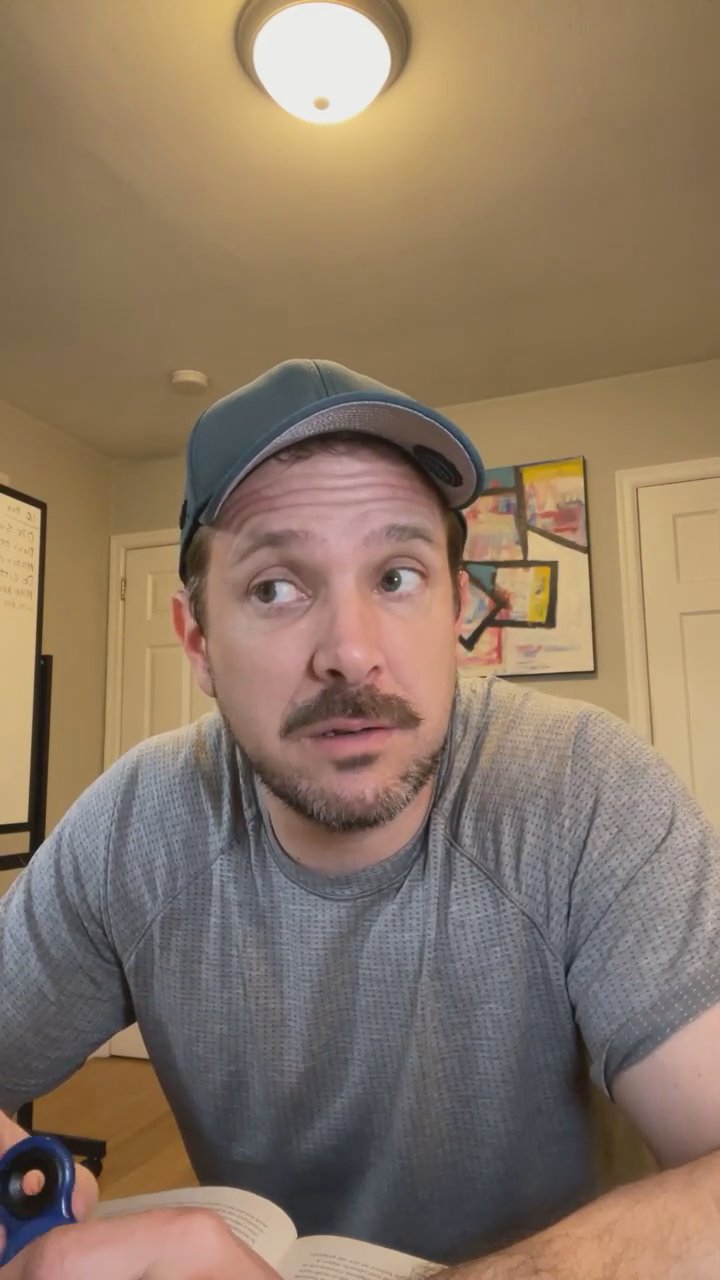
T. North explores the difference between compassion and empathy, reads a passage from David Gellis' Mindful Work, and notes an upcoming Monday interview about values with Cadre founder Luke.
T North: Compassion and empathy. Who sang that song better, the Beatles or Joe Cocker? Monday morning, founder of Cadre Luke and I will be doing Cadre Today interview and we're going to be talking about values.
The Dalai Lama says compassion is not the same thing as empathy. Compassion is understanding that someone is feeling something and doing everything you can to make them not feel it anymore. Empathy is the number one thing that stops you from being able to do what you want to do.
T. North says he's going to an Amy Grant concert tonight in Kansas City. She's in Rochester and Duluth this weekend. No matter where you are, have a great Friday. Be empathetic because you are. But be compassionate.
What would you do if I sang out a tune? Would you wind up and walk out on me? Lend me your ear and I'll sing you a song I will try not to sing out of key oh, I get by With a little help from my friends oh, I get high With a little help from my friends oh, I'm gonna try With a little help from my friends Good morning T North. The little Beatles to play us in today. Okay, so the writing, the question is, who sang that song better, the Beatles or Joe Cocker? So I'm an old millennial, so I grew up watching the Wonder Years, which of course the theme song for the Wonder Years is the Joe Cocker version of With Little Help From My Friends.
But I think they're both pretty good. How's everybody doing this Friday? I hope you are doing great. And if you're not doing great, know that that is okay as well. We talked about that sentence that I say every single day yesterday, Yesterday morning on Cadre Today. So if you always wonder about the power of words, right, like great or okay, words are vessels. They don't mean anything until we place something in them. But today we're going to talk about two more words and those words are compassion and empathy.
Compassion and empathy. I'm going to share a little passage from this book by David Gellis called Mindful Work. It's. I don't read very well. Things don't go into my head pretty easily. So when there's a book that I end up, you know, you can see it's pretty, you can see it's a pretty worn in book. This is a good one and it's good because there's a lot of little chunks that you can take out of it. So if you're a book person, David Gellis, Mindful Work. I'll talk about a passage that talks about these two words, compassion and empathy in just seven seconds.
Before that, I want to tell you Monday morning, this coming Monday morning, founder of Cadre Luke and I will be doing Cadre Today interview and we're going to be talking about values. So that'll be at his regular time at 8am Monday morning Central Standard Time. Okay, so as I mentioned, we're talking about two words, compassion and empathy. If you're thinking right now, okay, those two words, what are you thinking? Are you thinking of them differently? Like is compassion something? And is empathy something else?
Are you thinking them as if like one is better than the other? Like one is like, ah, you can either be compassionate or you can be empathetic. Or vice versa. The way that we think about the words that we use is one of the number one things I recommend people to do more as they consider their, their self care, their mindfulness, their journey of caring for other people. So for all my friends out there who work in healthcare, in hospice care, and in education, in any time where you're caring for people like your job is to be the one providing them what they need.
Today's for you, and it's for everybody else as well. So here's a passage from David Gellis Mindful Work. He starts by saying, compassion is not the same thing as empathy. The Dalai Lama wrote, though oftentimes used synonymously in Western culture. The contrast between the two is an important one. If you're walking along a trail and, and come along a person who is being crushed by a boulder, an empathetic reaction would result in you feeling the same sense of crushing suffocation and render you unable to help.
The compassionate reaction would put you in the sufferer's shoes, thinking, this person must be experiencing horrible pain. So you're going to do everything in your power to remove the boulder and alleviate their suffering in 2025. Empathy is, is one of the big words, right? Like, how many people are like, I'm an empath. Like, oh, like, like empathy is, is, is the superpower. It's like, actually sometimes empathy is the number one thing that stops you from being able to do what you want to do. The definition of empathy is that you feel what other people are feeling.
Sometimes that's exactly what, what's needed. Compassion is understanding that someone is feeling something and doing everything you can to make them not feel it anymore. There's a lot of boulders on a lot of people. And if you are constantly feeling like there's a boulder on you too, because of the boulders that are in other people, that sucks. Like, like, I'm not gonna, I'm not gonna sugarcoat that. It's really hard to feel what other people are feeling. In a world where there's a lot of people feeling a lot of stuff.
And that's in 2025, that's in 1215, that's in 7 12, that's in 1992, 1972, 1982. There's always going to be a lot of people feeling a lot of stuff. And if you're an empathetic person, you need to make sure that you don't crumble, that you don't suffocate. And one of the ways that you can do that is by laying Aside your empathy for a moment to be compassionate. If you see a boulder on somebody and you go, ugh, I'm being crushed because I feel what they're feeling. Put that aside for a moment and get that boulder off their darn back.
And guess what? Then the boulder will come off of your back as well. So for all of you who are dealing, struggling, serving, working, fighting. Yeah, Empathy is a pretty powerful tool. You can quote me on this. Sometimes empathy is going to slow you down in the wrong way. Compassion, the power that you have to go ahead and do. Empathy is the power you have to go ahead and be with. So you put those two things together. Settle on in. T. North says, I'm going to an Amy Grant concert tonight in Kansas City and get to experience before concert.
Sound check experience. She's in Rochester and Duluth this weekend. It's a miracle that someone else made. It's a miracle. It is a miracle that someone else made possible last night. Oh, that's so cool. T. North. I sit at a piano bench on Sunday mornings, and I have for, oh, 27 years. And Amy Grant, obviously has been one of those voices and singers and songwriters who's been around a long, long time in a Sunday morning, holding space for others type of space. So, T. North, have a wonderful time at concert tonight.
And because you said you're in Kansas City, I have to say, go Twins and also go Royals. But everybody, no matter where you are, no matter what's going on, have a great Friday. And if you don't, that's okay, too. Be empathetic because you are. But be compassionate. When you see someone who simply needs you to do something for them, you got power, y'all. We will talk to you later. And in the meantime, to be alone at the end of the day because you're on your own. Everybody. I get by with a little help from my friends.
Oh, I get high with a little help from my friends. I'm gonna try a little help from Team North. See you later. I want somebody to love Be anybody.
Reactions and comments are for members. Joining is free and takes a minute.