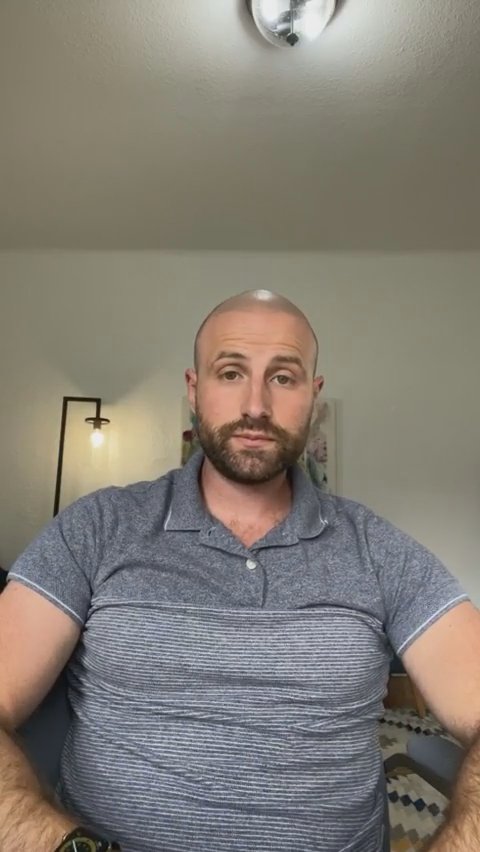
It's official. There is now a national emergency crisis line for mental health. In this Live I will break down this exciting new resource and all its implications. See you there!
Evan: I need some live ideas. What are some topics? And one was interesting: 988, a national mental health crisis line. Evan: I think it could be a great resource. Let's spread the word and keep that in the back of your mind.
988 is the national suicide helpline. The new number is available for mental health and substance use crises. It uses person centered therapeutic skills to connect people to trained counselors.
The more we fight the emotions, the more we stuff them. This is a great way, an outlet, an emotional outlet to just get that person from that critical moment. The lifeline works. Numerous studies have shown that lifeline callers are significantly more likely to feel less depressed, suicidal and overwhelmed after speaking to a counselor.
Will I be hospitalized? Right now, the crisis counselors are kind of under the same requirements of mandated reporting. Sometimes, too, it could be someone's in a psychotic episode. There's a lot of resources online.
What up, Cadre fam? Evan here, your local resident mental health and addiction therapist, hopping in live. And I got a pretty cool topic, and this was a suggestion from one of our team members. And I said to my team, I'm like, look, you know, it's, you know, I need some live ideas. What do you know? Like, pretty much everyone on the team has some experience, like, with mental. Wanna hear about, like, what are some topics instead of just me coming up and someone had a good idea. Well, they had many good ideas, but one was interesting.
And I don't know if many of you have heard about 988, right? So kind of like 911, but 988. And this was rolled out recently, and it is a national mental health crisis line, right? So instead of calling 911, you could call 988. You could do it for somebody else. You could do it for yourself. And so, you know, like. And it just kind of surprised me, too. Like, I didn't know this was really in the works as a mental health profession. I didn't get the. I didn't get the bulletin. Just kind of came out and I was like, oh, should probably learn about this and talk about that.
So, yeah, why not? Kind of spread awareness and education around it. So I went and I looked, you know, I did my research, and I looked at everything I could on it, so I figured I would impart that wisdom onto you, you know, just tell you a little bit more about it. And I think it could be a great resource. And I think even if it's not for you, but for somebody else, you know, so it's like, let's spread the word and keep that in the back of your mind that this is a thing, and there's a lot of very cool benefits, and I see few downsides.
So, yeah, we'll go ahead and just read through some of the questions. So what is 988? And I kind of started to mention that. So it was the national suicide helpline. And that kind of converted because I think with, you know, that's very specific. Right. So what if the issue is not suicidal ideation? Right. So it kind of broadens it and broadens the support for other type of emergencies. Right. And then the next question, is it available for substance use crisis? And. Yes. So it's mental health. Substance use.
It can really be anything in that broad category having to do with mental health. So which is cool as well, right? The definition gets broadened. Does the old number for suicide hotline still word? Yes, it is. So it's built off. That is 980 only for suicide related crises? No, we covered that. It says mental health, substance use in a way to just connect people to trained crisis counselors beginning July 16 just came out. What happens if I call 988? And basically what happens is that you get routed to one of these crisis counselors who are trained.
And so what happens when you chat with them? Well, basically, they kind of use person centered therapeutic skills. When I say person centered, it means, what's the best way to describe person centered? Because we use it so much in therapy more. It's almost like the customer service element of, like, the customer is always right. So it's not like, hey, I'm the expert telling you it's like. It's more about listening. It's more about you in many ways, being the expert of you. And so working through people on what their goals are, not mine.
Right. So they're bringing this person centered approach, and there's a lot of research behind this of why this could be very helpful for anything therapeutic. Right. So, you know, a lot of listening, de escalation skills. And one of the reasons I think this is actually super valuable, besides just being like, all right, we're going to prevent this or get people resources or send them to the hospital, which we'll talk about in a bit, is a lot of times when we're in one of these crisis situations, we've all been there now, maybe not to the point of, like, credit, but just like, overwhelmed.
Just like, you know, we have this window of tolerance, right? And we really stressed out sometimes we feel like we're over it, and it's like, I just can't. I need to do something, right. For some people, it's drugs or this, and, you know, and it's. We get into these stages, right? Or like a craving, if someone in recovery is having a craving. And so we get to these points where we're, like, at our peak of tolerance. Now, the thing is, typically, I mean, it takes a lot of energy to be there, right?
So when you're in it, you think this is never going to change. Right. And you feel hopeless, and it really taints your view of the situation of your life. It feels like it's never going to change. Right. And, you know, it's a very kind of being flooded with emotions, and that could really flood your judgment of a situation, right. Just like any severe reaction, like anxiety. Right. If I'm, like, having a severe anxiety episode, right. I always talk about this in my videos, and in these lives of the fear is disproportionate to the potential for harm, right?
It's. We distort, we magnify. So when we're in that crisis state, I mean, likely it will calm down, right? Like, and I'm talking maybe more from, like, you know, suicidal type perspective, but, like, when you're in that, it's. It's very dangerous, right? Because you may do something that could. Or someone, you know, could do something that could have consequences for the rest of their life or end their life, right, in that. So it's really important. I sometimes call these critical moments, right?
Like, in recovery, like, I didn't have a craving for six months, but then there I was, right, face to face with the drugs. Something happened. Something happened in my life. Could have just been a weird coincidence. And all of a sudden, I'm starting to play with that in my head, and I'm this close. But if I can move past that critical moment, past the craving, past the intense point where I feel above my tolerance level, it may not be another six months until that happens. Now, granted, like, let's say the counselor.
And one of the reasons, kind of going back to my original point, I think this is good, is because a great way, one of the best ways to get out of one of those states is talking about it with someone else, right. It. It works, like, d*** near every time. Like, when my clients come to me in crisis or they come to me just like, you know, I'm trauma, whatever that is, and I allow them to talk about it, I'm just like, let it out. Let it out. And then, like. Or if they're having, like, a real. If they start crying or have a severe emotion, right, and they fight it and they're like, well, I don't want to cry in front of you.
Or just like, you know, it's like, kind of a natural reaction for a lot of people. It's like, all right, I'm gonna stuff it and I'll challenge. I'm like, no, no, no. I'm not, like, a meanie head about it, but I'm like, no, no, no. I want you to notice. Do not fight it. Let it happen. Don't try to close the. You know, like you're in the submarine. You're trying to close the hatch so the water doesn't feel. It's like, no, no, no. Just let it happen. Because what happens is, right, the emotions do get more intense, and you're afraid that this is never going to end, right?
But then when I have clients just, I just say, notice, have awareness. You know, you could have a little bit of separation. Just, but just take one step back and notice what is happening in your body. Notice the emotions. Notice maybe where they're coming from, notice where you feel them and just kind of let it happen. You know, I kind of joke and say it's like emotional vomiting. Right. It's like I'm someone who doesn't like to puke, so I fight it, you know, like, and I joke, I haven't puked in 15 years.
I just don't like it. Right. But usually when you do, you feel better. Right. But it's kind of, it's like letting the poison out and you often feel better. I mean, you're, a lot of times like, oh, you feel maybe a little washed afterward, but almost every time, you know, I could see it happen, I could see them calm down. It's like a storm that comes and goes. And I can notice, you know, it's not rocket science, but I could kind of see them calming down. The storm is passing. There's some raindrops coming down.
It's a little drizzle after the thunderstorm, you know, and it starts to move away. And I ask, well, how do you feel better. Right. The more we fight the emotions, the more we stuff them. They don't go away, maybe temporarily, but then they come back. Right. So this is, you know, a great way, an outlet, an emotional outlet to just, to even just get that person from that critical moment and just get them through that storm. And they may not have that for a while, but usually there's going to be some kind of underlying issue.
Right. Maybe they're not in therapy. You know, they're having, you know, they're not, they don't have the medications they need. They don't have the basically basic needs and support that they could have otherwise. And so then the counselors then will take that next step and try to provide and connect them with the resources as a means to lower the chances of that happening again. Right. So it's kind of the preventative, but then dealing with the issue at hand and getting them past that, what I call critical moment.
So another thing, too, is it's also text. It's not only chat, it's text. So what happens when you text someone text, they are responded to by a group of crisis centers that answer both text and chat, and it's going to continue to expand. It's funny. Does it really help? Yes. The lifeline works. Numerous studies have shown that lifeline callers are significantly more likely to feel less depressed, suicidal and overwhelmed and more hopeful after speaking to a counselor makes total sense, you know?
And it's like, again, it's like, you will probably feel better if you do that. You talk to a friend, right? Like, in the recovery community. Like, that's why AA people have a lot of success with that because there's so much emphasis on calling other people. Call your sponsor at the beginning, at least at every day or most multiple times a week. Call your sponsor, call a friend. When you're getting that craving, it's almost like a built in, but it's more peer based and it works really well. One of my friends, he's like, earlier in recovery and the same thing, he called me the other day, and he's just like, man, I've been having these frickin cravings.
And he was so close to going and buying drugs. He literally had it in his gps to go to the place to get him. And luckily he reached out. You know, not a lot of people do that, but he had at least enough clarity in that moment to reach out. And we talked about it and talked for like 30 minutes or whatever. And, you know, I gave him just whatever advice I could, but I think a lot of it was just kind of letting him get it out and, like, work through the problem together. And I was like, all right, how do you feel now?
Much better. Right. And the next few days have been better. He was having, and it was hard for him because he was having these series of cravings out of nowhere. And the problem is, too. Just like with suicidal ideation. Yeah, you could get through that storm, but if the storms keep coming, then the next one is worse and you feel more hopeless because you're like, okay, I'm going to get through this, but then I'm going to have another one tomorrow. Right. And that's where that preventative piece becomes really important, too.
And that's something to consider. What other interesting questions? Yeah, so this is a good one, too, because it's like, and people have this question all the time, will I be hospitalized? Right now, the crisis counselors are kind of under the same requirements of mandated reporting, probably as therapists are. And the answer is no. Like, only if it's necessary. Right. And so sometimes, too, it could be someone's in a psychotic episode. Somebody is, like we said, suicidal substance use. So it's not every situation warrants, like, going to the hospital or calling emergency services.
Right. But if the person is like, no, I'm like, it's like a severe and imminent threat if I'm going to do this or if the person is deemed to be like, no, there's a very good chance they're going to do it, then maybe they do and they have to. If the guy's on a bridge or something like that, then maybe that would be warranted. And there's times I've had to do that as a therapist personally, we don't like doing it. It's not fun for us. We don't want to because essentially we're taking away somebody's rights and there is, you know, implications, and that could affect the therapeutic relationship.
So we don't want to do it, believe me. But sometimes it is necessary, and I've only had to do it maybe a handful of times, but in those, you know. But it's not a small handful of times that people have had suicidal ideation whatsoever. Right. But there's ways to work through that and there's ways of assessing people's risk. Right. Just because you say, I'm having suicidal thoughts, whatever. I mean, that's more normal than we like to admit for someone who has depression, especially, or other related disorders that, you know, maybe lead to depression.
So, no, you won't automatically be hospitalized. Let's see, what other. What languages? So right now I believe it's English and Spanish, but they do have translation services and over 250, 50 languages. Lifeline serves tty users either. Yeah. So I guess through chat, maybe it would be better for someone who's deaf or harder. I don't know what tty stands for, but, yeah, so, I mean, that's kind of the basic overview of it. So I hope you got a better idea. I mean, I know I did, just by looking into this more.
There's a lot of resources online. This one, I got a lot of information from SAmhsa. So substance abuse and mental health, it's one of the big government agencies, Nami, SamHSA. So these are very reliable, awesome sources. So substance abuse and mental health services Administration. So, yeah, check that out. Keep that in the back of your mind for if you ever need it. If someone else, you know, needs it, you know, it could be a really valuable resource. So I hope that helps out. As always, it is good to see you all, and I'll see you next week.
Thursday, two.
Reactions and comments are for members. Joining is free and takes a minute.