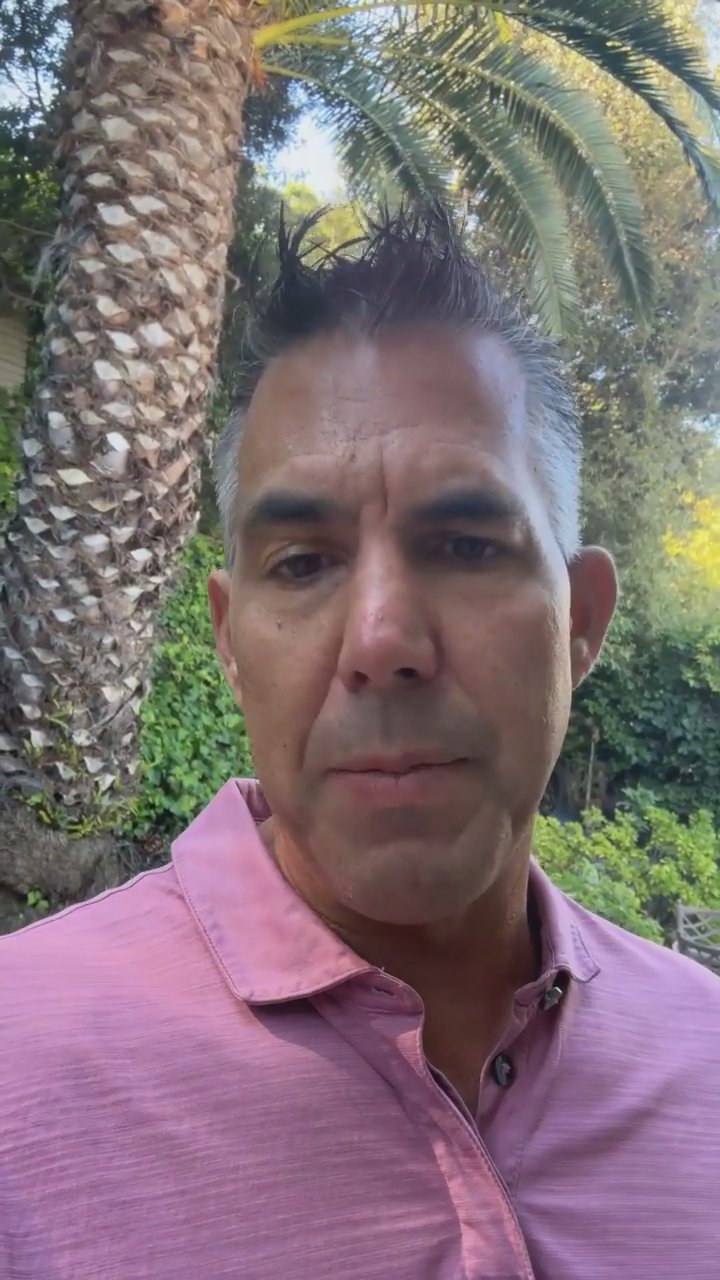
Celebrating recovery with insights from Dan and his journey of the last 31 years
The speaker opens by noting it’s Monday and that September is National Recovery Month, and shares that he is a man in long-term recovery. He emphasizes how personally meaningful recovery has been to him.
He recounts his 31 years in recovery and the impact of his father’s alcoholism and death, noting the age parallels and how addiction consumed his father. This chapter grounds the talk in his lived experience and why recovery matters deeply.
He reflects on how recovery encourages greater honesty and describes being surprised by others admitting alcoholism in their families. He explains how shame keeps people from getting help and introduces the idea of emotional sobriety and addressing anger and trauma.
He celebrates the journey of recovery and its benefits for his family, telling how his daughter and wife have been affected and how sobriety changed their lives. He contrasts his early drinking with the alternative outcomes he avoided and expresses gratitude for the gift of recovery.
He broadens the discussion to the millions still affected by addiction, the need for recovery services, and the societal messages that minimize substance risks. He warns about increased potency of marijuana, co-occurring mental health issues, and the ongoing work needed to spread the recovery message.
He challenges people in recovery to publicly share their success during Recovery Month to offer hope and visibility, thanks CADRE for the platform, and signs off with well wishes for the week.
All right, it is Monday. So I thought I'd say, hey, it's recovery month Monday because September is recovery month and I'm in recovery. I'm a man in long-term recovery. It means a lot to me. It's meant a lot to me for a very, very long time. I mean, I've been In recovery for 31 years, my dad drank himself to death at the age of 54. And, you know, it's like, I mean, my dad, I'm 53. So in a year from now, I'll be the age my father was when he drank himself to death. So By the time he was 53, he was drinking every day, not getting to work.
He was a mess, man. He was just, alcohol had consumed him. He was no longer consuming alcohol. It was consuming him. And so here I am in this place of recovery. And I think, you know, I think that means something in this society. I mean, I. When you get into recovery, you kind of start to live in a different world. You're just more honest about what's happening in your life, ideally. I have been amazed by the people that have come forward in the last year, just this last year, and talked to me about alcoholism in their family.
I have to say, sometimes I'm still surprised that there's still alcoholism, I don't know why. But I'm like, what? What do you mean? And then it's these people I never honestly, I would not have suspected. And like, it's bad. Like it's it's really bad. And I don't think they have a whole lot of people that they can talk to because they still believe the lie that says, I can't be honest about it, that there's some shame around it, that there's something to be ashamed of about you know, having alcoholism in our family.
And so long as there's shame around that, people don't get help and they don't get the help they need. And so like September is all about celebrating the fact that there are millions of people in recovery who have gotten help, who continue to make help a core part of our lives. And what help has meant for me has also meant dealing with bipolar and dealing with trauma and dealing with like the Some of the other behaviors that have come along with that and having to really get honest about Anger and rage and how they show up in my life like that's recovery.
That's real recovery That is like what I have been told is emotional sobriety because yeah, I mean you can as they say put the plug in the jug but There's also the saying of if you sober up a horse thief, you usually end up with just a sober horse thief. And so this journey of recovery has been amazing. And for all of you who are in recovery, I hope you celebrate it. And I hope you don't just celebrate it in September, but I hope during September you really celebrate it. And what I mean by that is it's not about me saying, hey, look at me, I'm in recovery because I'm special.
It's like, no, hey, look at me, I'm in recovery because I'm one of the people that has been able to overcome this fatal, fatal illness. That's a beautiful thing. That's a gift. Like, my daughter's never seen me drunk. My daughter's never been afraid for her safety. with me. My daughter doesn't wonder where I am. My daughter tells me to go to meetings sometimes. My daughter has celebrated her sobriety birthday since she was six years old because she saw me doing it and she saw kind of how people valued it and she was like, Oh, hey, I want one of those too and I'm pretty sure I'm sober, so I'm gonna celebrate my sobriety birthday.
And that's what she's done. Because we are a family of recovery. I grew up in an alcoholic family. My daughter's growing up in a family of recovery. That's what we celebrate in September. That's what's amazing, right? My wife honors my recovery because she knows, she knows what our life would look like if I were drinking. You know, I can only imagine, I mean, I started drinking at 13. And if I hadn't stopped at 21, if I were still alive and if I were not in jail or prison, which are very, very big ifs, I would be such a freaking mess right now.
And there's so many people out there who are still not hearing the power and the message of recovery and telling the truth about their experiences. I mean, how many people do we know who are living in the fear, hopelessness, and pain of active addiction or living with a loved one's active addiction? Millions and millions of people. And then they put on their little happy face and they put on whatever they have to think, whatever act they feel like they have to in order to survive, in order to get along in this society that still doesn't really want people telling the truth of how they're actually doing.
Because that's what September is about. That's what National Recovery Month is about as well, right? It's just that idea that says, Like we're in recovery, we celebrate recovery, and we wanna make sure that there are services available for people who need recovery. We want people to hear the message because God knows there's still enough messages out there about how alcohol's gonna help you and alcohol's gonna make you feel better and how drugs are not that big of a deal and of course marijuana's not that big of a deal.
Don't worry about the fact that the THE concentration of marijuana has increased like a thousand percent over the last 30 years and people are having psychotic episodes because of how significant that is. And then add in all of the untreated mental health that people are trying to deal with using alcohol and marijuana gummies and opiates and all of this. And no, you know, like we've still got a long way to go. And so this month we celebrate how far we've come. We celebrate the reality of recovery in the lives of millions and millions of people.
And I think that's an amazing and beautiful thing and I thank CADRE for having this platform and this space and the opportunity for me to share that and I hope others share it too. I think if you're in recovery, let this be the month where you really shout from the rooftops the reality of your recovery so others can hear it too and you can be a story of success and a story of hope. So I don't know. That's what I've got. It's Monday. Hope everybody has a great week. Take care.
Reactions and comments are for members. Joining is free and takes a minute.