Acceptance is not passivity — it’s clarity. Here’s how accepting the present moment actually makes change more possible, not less.
Acceptance does not mean that you stop wanting things to change. When you refuse to accept something, you get stuck fighting the idea of how life should be. Acceptance brings you back into what's real, even if it feels uncomfortable or painful. If you're scared acceptance will make you complacent, it won't.
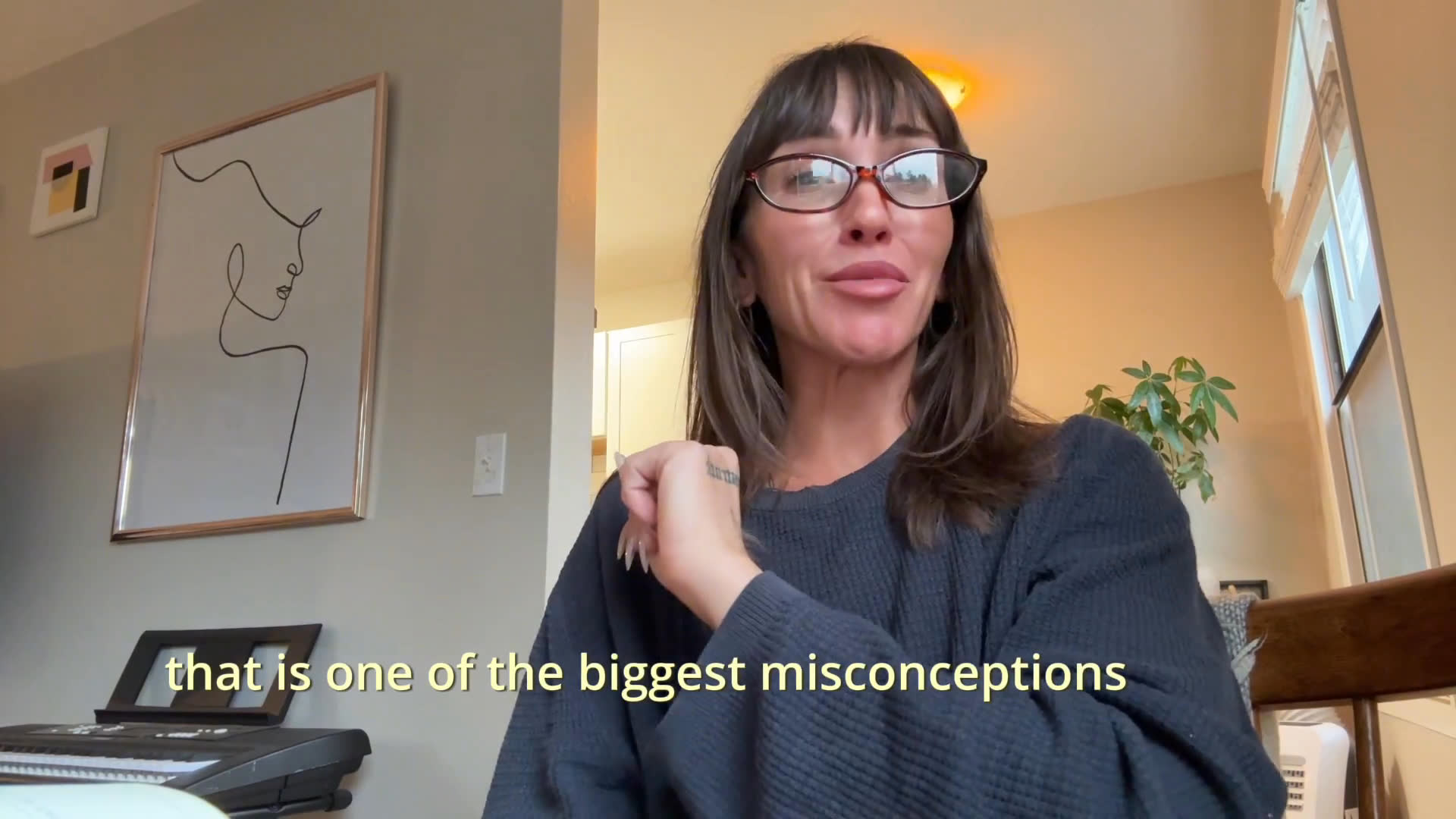
But if I accept it, then nothing's going to change. Nope, not true. That is one of the biggest misconceptions about acceptance. Acceptance does not mean that you stop wanting things to change, and it also doesn't mean that you stop changing. I hear a lot of people say that. They think accepting it means just deal with it, settle, stop caring, let it go. But in mental health, acceptance actually means I'm acknowledging what's true in this moment without judging it, and I'm doing this that I can decide how to move forward from reality, not fantasy.
And this is why this matters. Because when you refuse to accept something, you get stuck fighting the idea of how life should be. You argue with the past, you resist the present, and your brain is busy trying to rewrite a version of the world that does not exist. Acceptance interrupts that cycle. It brings you back into what's real, even if what's real feels uncomfortable or painful or not what you wanted. And when you're grounded in reality, you make better decisions. You take clearer action. You stop burning energy to change things that you can't control, and you start investing in the things that you want to and that you can.
So acceptance is not passivity. It is clarity. It's the moment that you stop fighting yourself long enough to actually access your own power. So if you're scared that acceptance will make you complacent, it won't. Acceptance will make you effective because you're finally working with life as it is instead of life as you wish it would be.
Reactions and comments are for members. Joining is free and takes a minute.