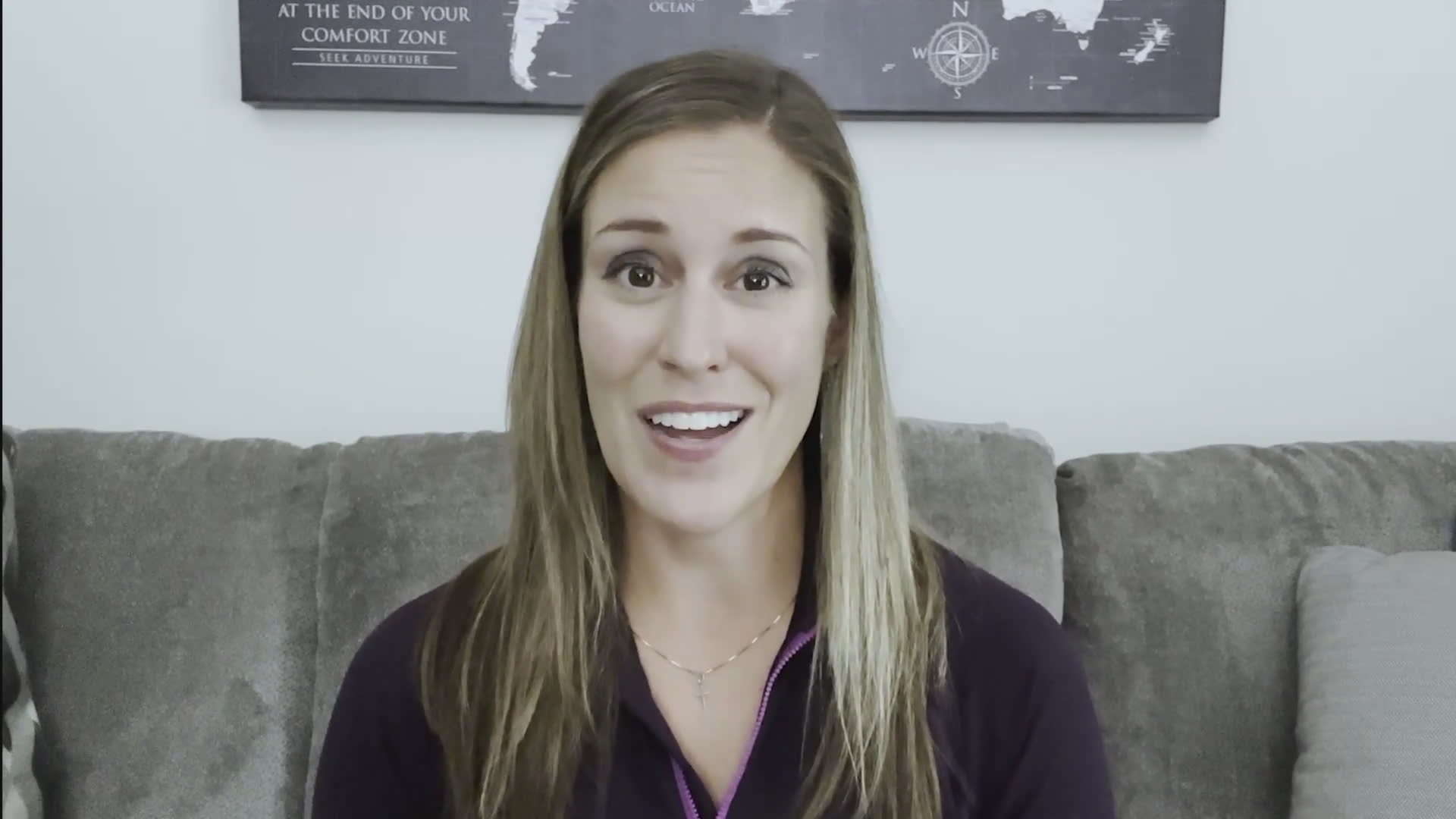
In this episode of Stories from the ER, Dr. Carrie shares the scariest moment she encountered with a patient and how she navigated it, saw past the tough exterior of the person and sympathized with the emotions he was feeling, and how she carries this experience into other interactions in life.
Dr. Carrie greets the Cadre family and explains this is part two of a series where she shares memorable experiences from her time as a nurse.
She describes the Minneapolis level 1 trauma center setting, why the patient wasn't in the locked area, and performs a rapid head-to-toe check while raising safety concerns.
The patient suddenly acts threatening, prompting several security officers and staff involvement; Carrie explains the danger and attempts initial nonconfrontational measures.
Over a tense 15 minutes she calmly validates the patient's fear, uses her voice to build trust, and gradually gets him to walk to the secured area without physical force.
She reflects on how quick judgments about people on drugs or acting badly can miss underlying terror, shares a restaurant anecdote, and invites viewers to try validating others before reacting.
Carrie thanks viewers, reiterates the compassionate takeaway, and asks them to stay tuned for more stories.
Hey Cadre family, Dr. Carrie here. I am going to share with you guys today stories from the part 2. So I'm part of a series that I'm doing on my experience as an nurse. And this story I will never forget. It stands out to me mainly because it was probably the scariest thing I've ever had to experience as an nurse. And it was back when I worked in Minneapolis. And every big town has a level 1 trauma center with this kind of clientele, but this day was particularly terrifying for me because of the patient that came in.
And he came in, the police found him acting erratically, wandering around. He definitely was on some sort of substance. We determined it was possibly PCP, which if you understand that kind of drug, it makes you extremely paranoid and very, very fast and strong. And like these are the kinds of people that can scale barbed wire without feeling it. Like when you're on these kinds of drugs, you can do incredible things. So The gentleman who came into my area, one of my patients, was probably about 6'4, 6'5, maybe like 250 pounds, like this massive guy.
And he came in, and I'm not sure why he was brought to this area. We actually had a locked area in the where normally these kinds of patients were brought because it kept them safer, kept the staff safer, there was designated security there, but I think they were just really concerned that maybe there was something medically going on with him, so they didn't bring him to that area. It was the scariest thing because I didn't know what this guy was capable of and he wouldn't talk to me. So I go in, I stand in the doorway, introduce myself to the patient, you know, say, I'm Carrie, I'm gonna be your nurse today and what's going on?
You know, why did they bring you in here today? Tell me what's going on. And he wouldn't make eye contact with me. He just was darting his eyes around like this. And I thought, okay, so we're not going to get very far. This guy's not responding to me. I don't even know if he can hear me, but he looks like he's pretty young. He looks like he's pretty healthy. I'm doing a quick head to toe assessment. He's breathing. His skin color looks fine. And so I talked to the doctor and said, you know, I really think we should probably get this guy back to that locked area.
You know, there's more security back there. Not sure what's happening with him. But he quickly stood up from the bed, walked to the doorway of the room and looked like he was ready to kill me. Like he puffed up his chest, fists and like looked super aggressive all of a sudden. And I just thought, whoa, okay, call security. so-called security over and I just said to them, which I worked with the most incredible security team at this I said to them, just hang on for a second, hold back. He hasn't made any motion to actually lunge at me or hurt me.
He hasn't even said anything to me, but obviously something's going on with this guy and he's scared and let's just not tackle him because this could go down really bad. So the security listened to me. They held back. We had about 5 security guards coming over because it just looked, this guy looked like he was ready to kill me. And the doctor came up and was trying to talk to him. One of the security officers was trying to talk to him and we decided, okay, let's get him back to that locked area.
Let's also give him some medication to maybe like calm him down a little bit. And so I got some medication, held it out to him and said, hey, will you take this? He never said a word to me. He never made eye contact with me. But for some reason, he liked my voice. He actually was listening to me. I could see it in his face that even though he wouldn't make like direct eye contact with me, he was like looking off to the side, like looking at me and like listening. So for some reason, he was tuning into my voice out of everybody's voice around.
And so security officers, okay, sir, come on, let's go. Let's walk this way. We're going to walk to that, you know, another area of the He wouldn't listen to a word they said. And so I quickly realized that this situation was really unsafe But I read the situation and thought, okay, he's listening to my voice for some reason and I can get him to get to that area safely. So I said to him, I said very calmly, very quietly, you know, John, let's say his name was John. I don't know what his name was.
Walk with me here. He didn't move. Meanwhile, we're like closing other patient doors because this guy looks so scary. And he could have literally taken me out with like one arm, like literally killed me. And so, I mean, my heart rate is racing and I'm like, John, I know you're scared and I need you to walk with me this way. The second I started validating his emotions, I could tell he was really tuning in with me and he took one step forward and I thought, great, we're making progress. It took, long story short, 15 minutes to get this guy to walk down the hall.
That's it. That's all he had to do was walk down the hallway to get to this other area where we could close the door and lock it and keep him safe and keep the rest of the patients safe and keep me safe. Imagine what that's like to spend 15 minutes with your heart rate at about 180 with this guy who could kill you, multiple security officers around, but he's only listening to your voice. It was the most terrifying thing I have probably ever done. And I in that moment realized though that this guy is absolutely terrified.
He is so scared. I started to see him like looking like just frantically and I'm sure he was seeing things. And so I started to validate what he was seeing. Like, I know you're probably seeing some things that maybe you don't know if they're real or not, but you're safe right here. You're safe. I want you to listen to my voice. and I want you to walk with me this way. The security officers are going nuts because he's getting too close to me, but he's actually starting to move. And it went on for 15 minutes.
It was the longest 15 minutes of my life as an ER nurse. But the most powerful thing I realized in that moment was we immediately judged this guy and said, he's on drugs. He's probably crazy. he's definitely psychotic right now. And yet he was terrified. He was really terrified of something coming after him and somebody coming after him. I don't know what he was seeing. I don't know who he was looking for, but he was so scared. And so when I started validating those emotions and talked to him calmly like a human being, he started to respond.
So I wanted you to think about that. How many people throughout your day do you forget are a human being and are maybe going through something terrifying? Maybe they're really scared. Maybe their outward appearance and their outward actions to you don't match with what they're feeling inside because they're coming across as just a flat out jerk or some other choice words you might want to say. But what do you think is going on deep down that's them act that way. And I had this experience the other day at a restaurant with somebody who was just horrible to me.
I was like, what is happening to you that you just can treat me like this? It was horrible. I'm like, I'm the patron. I'm the client. Shouldn't you be treating me with better customer service right now? I'm paying you. But I realized that whatever was going on for this person, they were having a really crappy day. And maybe there was a lot of fear inside. Maybe there was just a whole bunch of other stuff happening in their life that I didn't know about. And so it took me that second to kind of like go, yeah, I should probably treat them with a little bit more compassion because I don't know what's going on in their circumstance.
And so I want to invite you today to think about that. As you go about your day and people treat you like crap or they don't respond to you, they don't respond to your text messages, they don't do what you ask of them at work, maybe your employees aren't following through on what you've asked of them, your colleagues, whatever it may be, I want you to take that split second, put yourself in their shoes and think, could they be going through something else right now and how can I validate that? without even needing to know what's going on, how can I validate them and just treat them with kindness and compassion?
Because that's honestly just what I did with that guy, is I treated him with kindness and compassion. I treated him like a human being, and I acknowledged him for where he was at, that he was struggling, and we didn't have to do this aggressively because it would have ended so badly had that been the case. If we had to tackle him with six security guards, somebody would have gotten hurt, guaranteed. So think about that. as you go about your day. I'm not saying this is easy and I screw up all the time and make a smart remark back to someone sometimes, but just give it that one split second to put yourself in their shoes and ask, how can I validate them and acknowledge where they're at today?
Because I probably wouldn't want somebody to do that for me too if I was in that situation. Thanks for tuning with me today, guys. I will share more. Stay tuned for more stories from the God bless.
Reactions and comments are for members. Joining is free and takes a minute.