A short guide for newcomers in recovery who are heading home for holidays, offering practical tips: stay busy and helpful, keep interactions low-key, limit the visit length, avoid oversharing about recovery, and plan meetings to stay connected.
Don't set yourself up for failure during this visit by overplaying it. When you get there, be silent and useful is my best recommendation. Be focused on stuff that has nothing to do with your recovery. The best overall thing, I think, keeps everybody healthy to a degree, is to have a holiday.
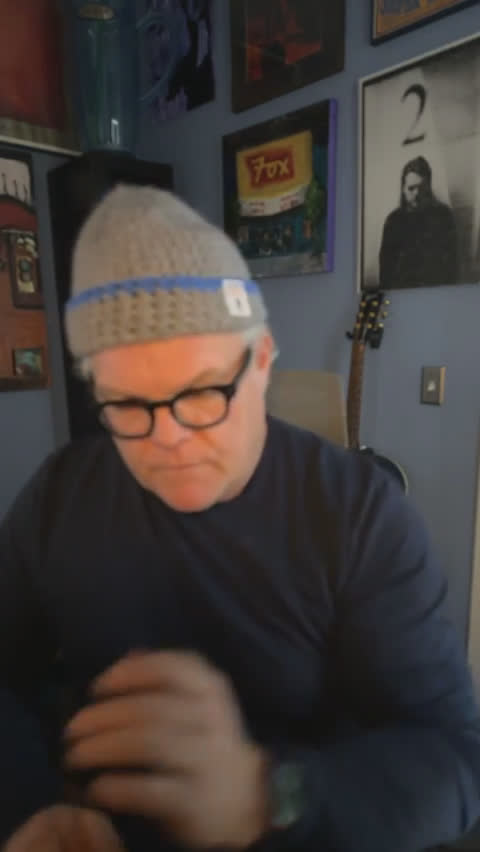
Hey, guys. Happy Thanksgiving. I'm gonna do a short video about holiday sobriety, and what I want to focus on is if you're kind of new in recovery and you're going home for the first time, Thanksgiving, Christmas, whatever, since you went to treatment, and it's a little contentious, it's a little weird, it's a little uncomfortable, could be any of those things could be fine. The first thing I'd like to say is, don't set yourself up for failure during this visit by overplaying it. When you get there, be silent and useful is my best recommendation.
Do the dishes, play with the kids. Take the trash out, rake the leaves. Be busy. Be focused on stuff that has nothing to do with your recovery. If your parents or your grandparents freak out and remove all the alcohol and everybody's walking on eggshells around you, ignore it. Just be helpful, be nice, be quiet. And also, I think it's really important to only stay as long as you need to. In other words, you know, a couple days at Thanksgiving, maybe two or three days at Christmas, don't stretch it out.
And remember this. Moms and grandparents and uncles and aunts and brothers and sisters, they're all gonna be those people. They're gonna be moms and dads and uncles, and they're not professionals in recovery, and they're gonna say stupid s*** about your recovery, and they're going to ask you questions. And some of it might be offensive, and maybe you're a little thin skinned. Be expectant of that. Maybe if you want to kind of, you know, in advance before you go tell your parents or your family, hey, man, don't freak out and dump out all the booze.
But also, you know, don't allow the dinner to turn into a free for all where everyone's doing shots and shooting drugs in the bathroom. So there are mostly. There are a lot of things to think about, but I think, most importantly is that really should go into it as a family thing. It's not the person in recovery coming home for Christmas. It's just Christmas. It's just Thanksgiving. And the more that you can get your family or your friends or your wife or your husband and everyone to act normally as if.
I think that brings down the intensity for the addict or the alcoholic because we tend to be kind of thin skinned in the early months and we don't want people making a big fuss about us, or sometimes we get upset if nobody makes a fuss about us. So you have to kind of balance that out. I like the words my old sponsor used to say, which was, go home, chop wood, and carry water, keep your mouth shut, tell mom you love her and help her do the dishes, and stay out of everybody else's business. And for God's sake, don't go home and tell your recovery story at the dinner table.
Just try to keep it on the family front. And then also critically important is to set up meetings before you go so that you can dip out to an AA meeting and, you know, do that in an appropriate time, maybe after dinner or if there's a morning one on a weekend and sort of slide out and hit a meeting or two. But the best overall thing, I think, keeps everybody healthy to a degree, is to have a holiday. Have a Thanksgiving, have a Christmas, don't have somebody's coming home from treatment Christmas or someone's coming home from treatment.
Thanksgiving, just have a Thanksgiving and do your best to show up and just be a brother, son, husband, uncle. And I wish you all a happy holidays and good luck.
Reactions and comments are for members. Joining is free and takes a minute.