Sober house, recovery house, halfway house...What's the difference?
Chris Edrington wants to clear up some confusion about different types of recovery residences. Recovery residents is the new umbrella term. By the time you're in a sober living home, you are free from clinical oversight. Recovery really happens in the community after treatment.
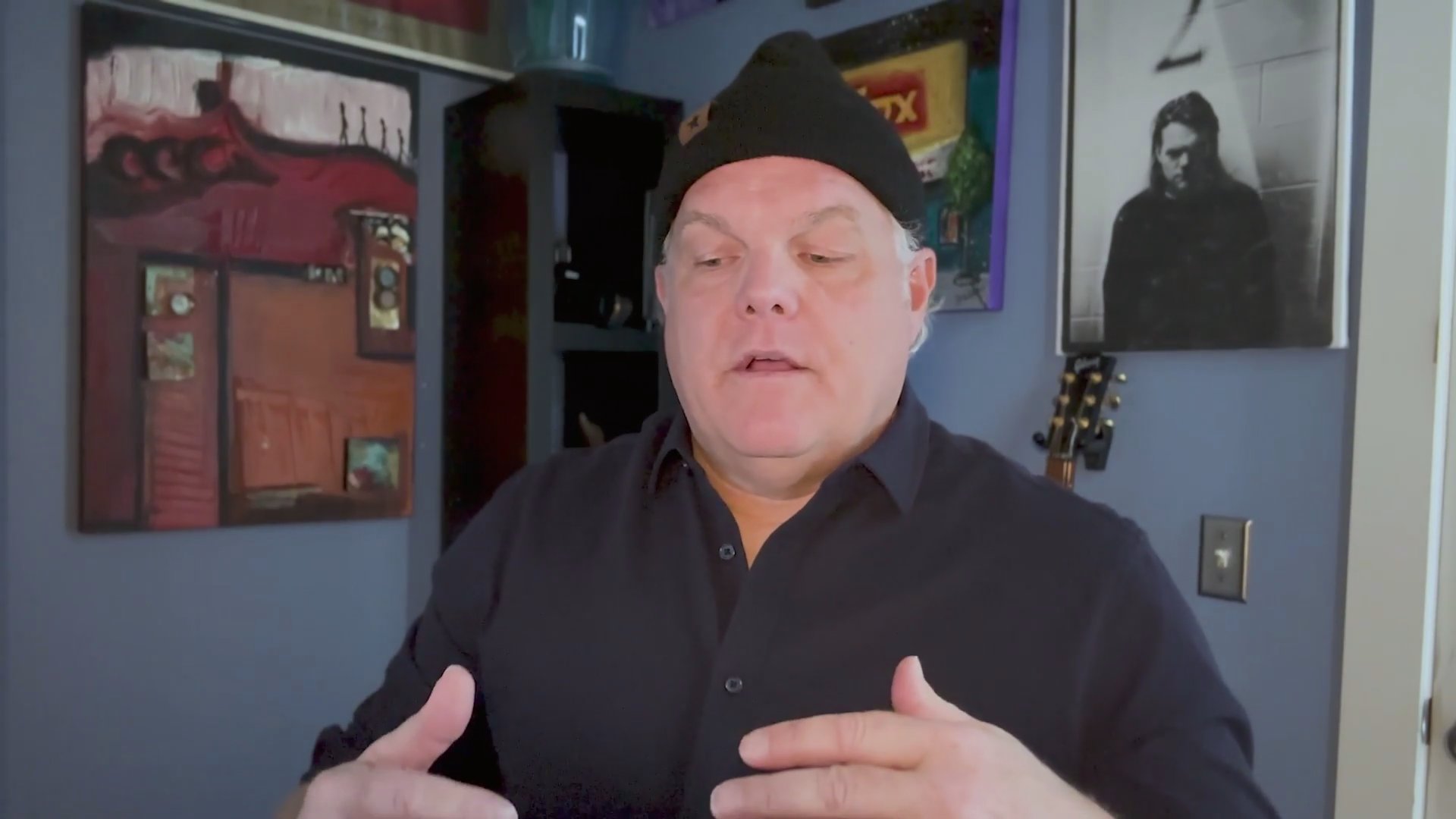
Hey, Cadre. Chris Edrington here. I decided I'd wanted to clear up some confusion, maybe around the difference between different types of recovery residences. A halfway house, an extended care, a sober living home, recovery home. A lot of these terms get tossed around differently in different parts of the country. I think recovery residents is the new umbrella term. There's a national organization that oversees recovery residences and set standards. So things are really getting more organized in that level of care in the industry.
What's important for families who are trying to navigate this or place their kid or their husband or their wife or help to advise or the treatment center is telling you, okay, your loved one needs to go do this now. I think it's really important to recognize that it used to be, and it has still, to a degree, a three tiered continuum of care. Primary, residential, residential, residential inpatient care. And then people are often referred down to a second tier, which we call extended care, used to be called halfway house corrections kind of took that back from the chemical dependency world, and the corrections world sort of owns that term now and then.
Sober live it. So, theoretically, you could go from the acute level to a mid level to the least clinical level. And I want to make that distinction that by the time you're in a sober living home, you are free from clinical oversight. There's no more professionals, there's no more people with letters behind their names directing and having you go directing what you do and having you go to groups every day. You could be in an outpatient program where you do clinical work and live in a sober house, but they're separate.
Typically, generically speaking, sober living home is void of the clinical work. You've already had it. You now are in a position where you need to go live in the society, live in the community, and create a new repurposed lifestyle and recovery. And the sober living homes operate off what we call the social model, which is a non clinical model. So you don't have a bunch of professionals directing things. You're largely directed by the community, the community of others. And the most well known structure within the community of others is AA and Na, right?
That's where people are all getting sober together. And as you've probably heard me say multiple times, if I were to say, the number one thing that anyone needs in their first year of recovery after treatment is people. And that's where the people are. So access them from a stable, sober living environment. Now, different sober houses can have a little bit of a variation in structure where they have serious or hard rules about curfew and about visitors and about overnights and all. And there's. And there can be a hard structure there.
There could be combined with an outpatient clinic where you go to outpatient during the day and you live in the sober house and you sleep there at night. There are a lot of variations there. But I think what's really important to understand for people who are new at this process, that there's a level of care demarcation for each point in the process of recovery, and each of those levels comes with different things. The most important distinction being that social model is without all that clinical assistance and really, actually, typically very affordable also.
So I happen to run a bunch of sober living homes, and I know from my experience, when people have had enough clinical work and enough education about the disease, they really are motivated to go. Then put that into practice, and that's what goes on at the sober house. It's like, come learn this lifestyle change, as opposed to learning about what cocaine does to your brain or learning about how to get past all the shame and wreckage. I mean, treatment's great, but treatment is triage. It stops the bleeding, gets you stabilized.
Recovery really happens in the community after treatment, and so a well run sober house, in my opinion, one of their most important functions is to figure out how to connect you to the greater sober community and motivate you to go take advantage of that. It's my experience, 24 years clean now that the sober community saved my life, saved many people's lives. It's an incredible thing to watch. And if you live in a safe, well organized, structured environment, it's so much easier to start that process than living at home and maybe some past chaos or sleeping on someone's couch.
So I'm a big advocate for what we now call recovery residences. Don't get confused about all the different names. There's a lot of help out there, and if you ever need any advice on that, look us up on Cadre.
Reactions and comments are for members. Joining is free and takes a minute.