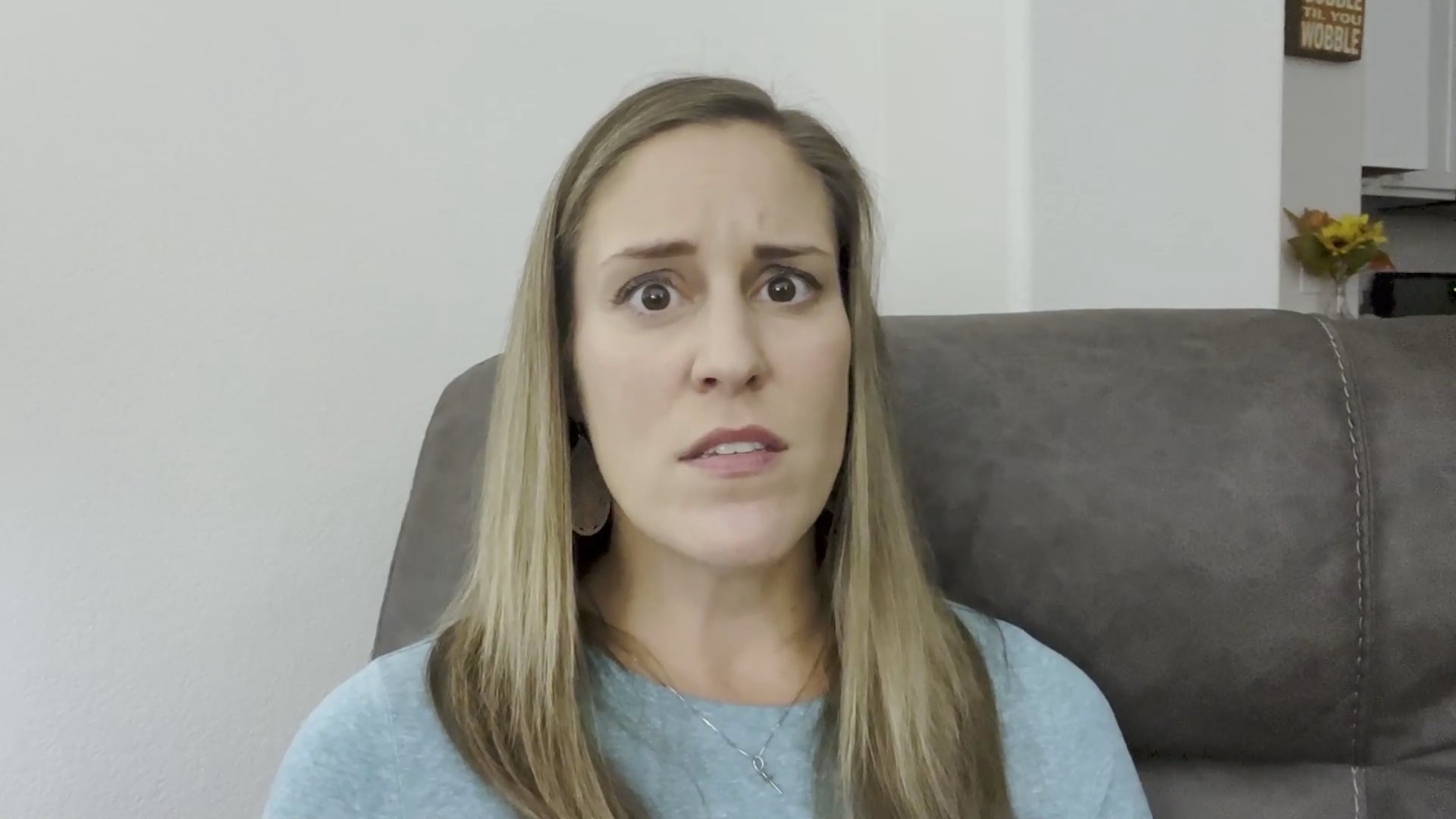
In Part 2 of this series on EMDR, Dr. Carrie describes the different styles of EMDR therapy she has tried, and the emotional journey she experienced throughout the sessions.
Dr. Carrie greets viewers and explains this is the second video in a series, focusing on her personal experience with EMDR therapy. This brief opening sets expectations for the personal examples and tips to follow.
She summarizes the various bilateral stimulation techniques she's experienced, including eye movements, alternating taps, and handheld vibrating devices. She also notes that therapists choose methods based on the client's needs and that different speeds and approaches are used.
Dr. Carrie recounts seeing multiple EMDR therapists and how techniques varied between sessions. She describes a powerful session where she rapidly cycled through intense emotions—anger, crying, dissociation—which illustrates how EMDR can quickly surface and process traumatic material.
Using a file-cabinet analogy, she explains how traumatic memories can be 'locked' and how EMDR helps defragment and reduce their emotional power. She emphasizes that experiencing a wide range of emotions in therapy is normal, effective, and can be exhausting.
She gives concrete aftercare recommendations—plan sessions later in the day, rest, watch light entertainment, and tell your therapist if sleep is disrupted—and reminds viewers the brain continues processing afterward. The video closes with a teaser for the next installment where she'll unpack her EMDR results in more depth.
Hey Cadre family, Dr. Carrie here. In the second video in this series about EMDR, I wanted to talk a little bit about my experience with it. So, first of all, I'll explain. I've been to EMDR therapy with, I think, three different therapists. So I've done different things with EMDR. I've done a few of the different techniques and as I explained in my last video about kind of how the rewiring happens, how that happens is because they make your thoughts go across the hemispheres of your brain. The way they do that is by different techniques.
So there's one where literally you like follow the fingers and the eyes move. Okay. That's where the eye movement comes from EMDR. There's another one where they tap like your, maybe your legs or your shoulders, alternating taps like this. There was another one where I held these little vibrating little bug things. I don't know what they were, but they were attached to a wire and it alternated the vibrations in my hand. So it went like this. And there's different speeds that they do this at. I'm not trained as an EMDR therapist, but the trained EMDR therapist might use a different technique with you based on what you are working through, maybe what they've had success with.
You'd have to talk to our cadre creator, Evan, about this to know literally how this all works. But I just know that I've experienced a few different kinds of the EMDR therapy. I've done all of those. And sometimes my therapist would use one of them and then like the next session she would use a different one based on what we were discussing. So I'm not really sure why they do one over the other, but they all were beneficial for me. And I can tell you the first time that I did this, I am not somebody who likes to really experience emotions.
And I really used to not like crying in front of people. And I don't like getting angry. I was very, very good at controlling my emotions, even in a therapy office. And I had this full range of emotion that went through basically all the stages of PTSD in about 40 minutes. I went from like beet red angry with my fists balled up to crying and sobbing uncontrollably. and right back to angry and then shut down at one point, completely dissociated at one point. I know this sounds like really scary, but the range of emotions that your brain can allow you to go through when you do EMDR is so powerful that that's why it works and why it works quickly because you can process that really horrific traumatizing memory in a safe place with someone and experience a range of emotions.
And it really allows your brain to just kind of do the processing that it needs to do. Like I mentioned in the last video, those files can get really stuck in the file cabinet and it can be taken out so quickly and it can be, and maybe it's a really fat file because it's got so many horrific memories associated with it. And it just, it is so locked in your brain and it can kind of control a lot of your brain's function and your emotions and the EMDR will work to kind of defragment that. and make it so that is not so powerful and painful in your brain.
And so when you go through this range of emotions through a session with a therapist, just know that it is normal and it's safe to do that. You might leave there feeling absolutely exhausted because I went through five years of PTSD in 40 minutes and I experienced all of these emotions and my brain did so much work in that time. It's really important after an EMDR session to take care of yourself. Maybe you go watch some funny comedy video, but just know that like your brain has basically been to the gym.
at an EMDR session and to just be kind to yourself. Maybe you don't go give like a huge presentation at work the next day or even that day. Maybe you schedule your EMDR sessions later in the day. Maybe it's after your work day when you go see a therapist. But it is important to allow your brain time to rest because you basically just got an entire workout in your brain. So just remember that when you're scheduling your EMDR appointments to really be mindful of when you schedule them and what you expect of yourself afterwards needs to just be kind and give yourself grace.
And if you have some trouble sleeping, Let your therapist know that because I also was struggling with that because I felt like my brain was just continuing to process. Like it was like still running the marathon that it had done in my session, which is also very normal because you've just jumbled everything up in your brain. And so give your brain time to do that and make sure that whatever you are filling your brain back with is something gentle, kind. Maybe you watch just some silly TV or a comedy show.
Maybe you read a really easy, lighthearted book, but just be really kind to yourself after an EMDR session and recognize that the benefit is not just the session. It's the next couple of days as your brain continues to kind of resort information and process that. So that's my tip for you. And in the next video, I'm going to talk about my experience in depth with EMDR and like what I was really able to accomplish with it. So we'll unpack that next video. Thanks, guys.
Reactions and comments are for members. Joining is free and takes a minute.