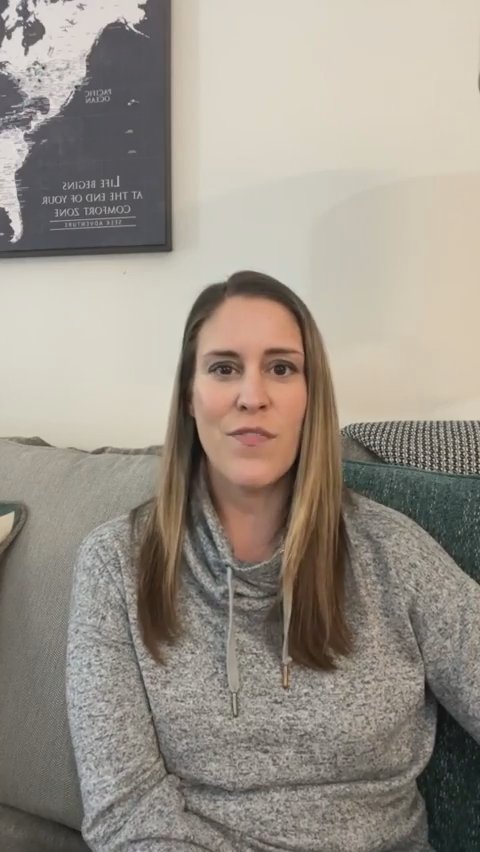
Around this time in January is when most people quit their New Year’s Resolutions. In this video, Dr. Carrie will explain the reasons people quit their resolutions and give tips for getting back on track with your goals.
Cadre family doctor Kerry: If you have fallen off on your new year's resolution at this point in the year, it's completely normal. Kerry: We are creatures of habit. We slip so easily back into our old habits. You could talk to Chris on. Cadre about his experience with recovery.
Write down more specifics about that New Year's resolution. If your goal is to run a marathon in October of this year, break it down into bite size pieces. Come up with an accountability plan.
Set up an accountability plan. Oftentimes that does involve another person. A lot of times people struggle with their new year's resolution because they've never actually set goals and set up a structure around it. We love benchmarks and accountability at Cadre.
Carrie: I have had a very different process this year with my goal setting. She was really getting down on herself that she didn't have it done by January 1. God told Carrie to spend more time reflecting before putting together a plan. You can start a resolution any day.
I have a compounded effect with my birthday, because everybody's like, what are you gonna do this year? What am I going to do in the next year? Carrie, what books do you recommend for habit building? I hope this inspired you guys.
Hey, Cadre family doctor Kerry here. We're going to talk today about New Year's resolutions, or as I titled this live stream, New Year's resolution because it's about this time in the month of January when people have pretty much fallen off their new year's resolution list. We start off the year strong. We start off that first week every day we've done that new thing that we say we're going to do, whether that's a healthy thing, a lifestyle thing, whatever it is. We've said, I'm gonna do this this year.
That first week goes really strong. Usually you've got other people with you. You know, maybe you started going to the gym and, like, you see a ton of people at the gym, you're like, all right, we're all in this together. The second week, steam kind of starts to get out of you. You're like, I don't like getting up this early, whatever it is that you've decided as your New Year's resolution. And by week three, we've lost steam. We have just dropped off the wagon, usually around the 17th of the month.
And so today we're at what, the 21st? And it's like, all right, so all of those new years resolutions that I made at the beginning of the year just three weeks ago, I've totally fallen off the wagon. Just know that this is a very common thing. This is what a lot of us struggle with. I personally have struggled with this. I actually have kind of the opposite problem. I will not even make a goal if I can't achieve it. So I don't even go there with it. So I don't even make the new year's resolution.
Hi, Risa. Hi, Chris. Because if I don't think that I can do it, I won't even put it down. I won't even write it down on my list of goals for the year. So I just want to just, first of all, normalize this, that this is extremely common, that if you've fallen off the wagon with anything, especially your new year's resolution, the first thing I want you to do is not beat yourself up over it because it's normal. We are creatures of habit. Human beings like habits. We like routine as much as we are creative free thinkers and just, you know, like, especially, you know, evolved from other organisms on the earth, we still are creatures of habit, right?
We like to have our routine. That's why if you're somebody who travels a lot like myself, I can sleep pretty much anywhere except sitting up on an airplane. But like, I love the adventure of traveling. I can be gone for weeks at a time, but I still crave that routine when I get home. Like, I just crave my bed. I crave my routine of going to the gym. And no matter how free spirited you are, you still crave some semblance of routine and habit, and that is completely normal, as we are wired as human beings.
And so whatever degree that is for you might be different. But when you make New Year's resolutions, a lot of times you are changing a habit. You are changing a routine. And that's why it's so hard to get into the groove with that. And that's why we. We peter out on these. On these new year's resolutions, on these goals we set, because we're. We slip so easily back into our old habits. You could talk to Chris on. On Cadre about his experience with recovery. I'm sure it's very similar. You have a habit of doing this thing every day, and it's part of your lifestyle.
And so to switch that, it's. It's way harder than making a new year's resolution, but it's become a habit, right? Your new. Your lifestyle includes using a substance or something. So just know that it's extremely normal. If you have fallen off on your new year's resolution at this point in the year, it's completely normal. And I want to give you some tips about how to get back on track. So, first of all, is just recognize that it's normal and don't beat yourself up about it anymore. Just be like, all right, fell off on that one.
Missed that day, and I'm gonna just be like, okay, it was a miss, and we can start again tomorrow. There's always a tomorrow, right? To start again. Hey, Luke, thanks for joining. And number two is write down more specifics about that New Year's resolution, about that goal that you have. If your goal is to run a marathon in October of this year, which, by the way, if you haven't heard Risa's live stream about her marathon run, check that out. I was just catching up on it this morning. It's incredible.
And she talks all about, like, what making that goal means to her, but it's just side note. But anyway, if your goal is to run a marathon by October and you literally can't run a mile, and you're like, okay, I'm gonna run a marathon. And you say, well, I obviously start training, well, I'm gonna get up, and I'm gonna run a mile today. And now three weeks into January, you're like, I hate running. I'm in pain. I've got lactic acid all over my body. I feel horrible. I don't like getting up early before I go to work.
I'm done. Like, that goal was stupid. How do I get a refund for that thing that I just signed up for? If that's where you're at, you gotta break it down a little bit more. Like, you have the goal. You listed it off. You have the resolution. This is the behavior I want to change. This is the thing I want to do differently this year. You got to break it down into bite size pieces. That's why they make couch to five k programs, because literally, you're not going to go run a marathon if you haven't run a five k and you're sitting on the couch.
You got to break it down into bite size pieces. So if you're setting this goal for something that you want to achieve, or maybe it's just a new habit, maybe it's a new mindset you want to have for the year. Break down. How am I actually going to get there? Like, okay, so we've done the dreaming vision activity of, like, I can picture myself like this, but how do I actually get there? You got to break it down into more bite sized pieces. Like, what do you need to do every single day to achieve that goal?
It doesn't have to be monumental. m. To go to the gym for 3 hours because you want to get in shape. It doesn't have to be something drastic. That's why people, like, end up falling off the wagon with these new habits they've made, because they've gone so strong that they get exhausted. So you got to start with, like, a bite size piece and make, like, a reward system for yourself in the process. Like, maybe you're like me and you like to check stuff off. You like to cross stuff off a list. I literally will write things down on my to do list just so I can cross them off that I've already done for the day, because that brings me so much satisfaction.
So, like, whatever it is for you, maybe it's a reward. Maybe you're saying if I do this every single day for 30 days, I'm gonna go buy myself a new purse. I'm gonna go. And it doesn't have to be monetary, but it could be like, I'm gonna go do this for myself. Like, give yourself those built in rewards so that you're also working towards something before the final goal is even achieved. Like, you need to have even those benchmarks of, like, I made it this far, I'm gonna celebrate me for that change that I made, even though I haven't made it to the marathon in October.
Whatever your goal is or your resolution is for the year, give yourself some monuments to reach along the way, some things to achieve. And then the last piece of advice I'm gonna give you is come up with an accountability plan. Whether that means an accountability partner, someone that checks in with you regularly, somebody that's not going to shame you when you didn't do that thing for the day, when you didn't follow through on your habit, when you completely fell off the wagon with your New Year's resolution, but somebody that's going to be there and support you and say, you know what, that's all right.
But maybe we should talk about, like, what happened this week, why you didn't get that goal done. Is there something standing in your way? Maybe you need a coach for this. This is why people love coaches, because that's the accountability structure that they can provide for you in a completely non judgmental environment. Right? Like, they don't even necessarily know you personally like a friend does. And that's why coaches are so beneficial for achieving your goals, because they can help you kind of dive into those things that are making it difficult for you to reach your goals.
But set up an accountability plan. Oftentimes that does involve another person. Maybe you have a group of people you check in with. I know some people that say, I want to get better at public speaking. Okay, well, you're going to apply and you're going to speak at some things, but, like, do you have a group of people that are going to come alongside you and cheer you on when you give your first speech somewhere on a stage, like, come up with that plan for the people in your life that are going to help keep you accountable and then your own checks and balance as far as an accountability structure.
So maybe it's something like, you do need to check off every day, having those rewards for yourself. That's also part of the accountability. But maybe you need to set an alarm on your watch. m. And I will have hopefully drank this many ounces by that time of day. That's an accountability structure saying, okay, I'm putting in little things throughout my day or my week to say, how am I doing? I want to reevaluate how I'm doing on that so I don't get to the end of my week and say, gosh, I really sucked at that this week.
So build in those little like steps for yourself and the accountability structure. I'm just going to take a look at the comments here. We love benchmarks and accountability at Cadre. What turns us from good to great, totally. To elite? Yes. Yes. This is all about what goal setting really is. And I think a lot of times people struggle with their new year's resolution because they've never actually set goals and set up a structure around it before. So they get really down on themselves three weeks into the year because they've fallen off and they're like, I don't even know where to begin now.
I guess I'll try again next January. I'll wait another eleven months before I set any more goals for myself. Don't go that long. Set some for yourself every single day. Luke, did you set a resolution this year? Carrie, you know, actually, to be perfectly honest with you, I have had a very different process this year with my goal setting. I normally write out a vision card and I have a word for the year and I have my resolutions and then I break it down into the steps I'm going to do to accomplish those.
And I have not even done it yet this year. And it's been really intentional, actually, because I was really getting down on myself that I didn't have it done by January 1. I was out of the country from January 1 to the 10th. And so I came back and I thought, oh, my gosh, I'm late on reaching my writing down my new year's resolutions and really sitting and thinking about all these things and what are my goals for this year and what is my word for this year? And I felt like God was like, just pause.
What I need you to do is spend some more time reflecting before you put together that plan. And I was like, well, that doesn't make any sense because it's already like middle of January. I shouldn't I be like, have already started these goals? But it was a very intentional move I made this year. And maybe that's part of the resolution that I have, is that I take more intention around setting goals and I have more intention and thought process and reflection time because in this process of, like, figuring out what my visions are, what my resolutions are, what my word is for the year, I've already started doing stuff right like, I've started, like, listening to different podcasts and different speakers and different sermons and, like, about vision, and I've had visualization activities that I've been doing.
So, like, where I sit in a chair, and I, like, picture what I want my life to look like this year with my eyes closed, and I, like, you know, just all of these different visions that come to me. I've never done that before, but that was one of the exercises that was recommended to me in this thing I listened to. So I guess that's the answer to the question, Luke. No. But yes, because part of my resolution, I think, is also just taking a really different approach than I normally would, which is very unsettling for me, but I think it's challenging me in a different way.
Um. Oh, I love it, Luke. Love it. January 1 is only a day. You can start now or any time, really. You can start any day. You can start a resolution any day. We coincide it with the new year, you know, like, but maybe your new year starts the lunar new year. I don't know, but you can start any day. It doesn't have to be January 1. I did have some people ask me the other day, like, what were your birthday year reflections? And my birthday is January 3. And I said, you know, I have a compounded effect with my birthday, because everybody's like, you know, what?
What are you gonna do this year, right? It's gonna be January 1. What are you gonna do? And for me, it's, what are you gonna do for the next year of your life as well? So, setting, like, resolutions and, like, new year resolutions is also the new year of my life on this earth. It is. It is such a compounded effect fact that I'm like, what have I done this past year? What did I actually accomplish, and what am I going to do in the next year? Like, that feeling you might feel when the new year's coming around, it's, like, doubled for me with my birthday being right at the same time.
And so I usually have so much stress leading up to my birthday because I'm like, did I accomplish everything I was going to? And it's going to be a new year, so, like, I better get my act in order this year. And I think that's part of the intention this year, too, is just saying, all right, my birthday came. It was an incredible birthday, and I'm already a year older, but I don't have my goals set for the year. And that's okay, because I'm trying something different this year. And whether I start those goals on February 1 or March 1, whatever it may be, that's okay.
Because this process that I'm going through right now has been just so profound for me to just kind of like, sit back and reflect and let. Let it come, you know, like not putting a deadline on myself of this had to be done by my birthday or the new year. It's just. It's been a really cool experience. And like I said, a little unsettling because it's not my norm. But we'll see. We'll see what comes out of it. So I just. Hopefully this inspired you guys, and I just really want you to feel at peace with yourself.
If you've fallen off the wagon with a goal and with a resolution, that it's okay to start again and it's okay to restart as many times as you need to. But if you do find yourself restarting goals multiple times, maybe it means you need a coach to come alongside you and help with that accountability. Or maybe you need to set up the goal a little bit differently and break it down into easier, bite sized pieces, because that's really what this life is all about, is just going from. From one thing to the next, right?
Like setting those goals about how you can. How you can become the best version of yourself on this earth. Carrie, what books do you recommend for habit building? Oh, gosh, I'd have to look at my list. Resa, I obviously read a lot of books, as you guys know, at Cadre, and I read about at least a book a week. Right now I'm reading anxious for nothing, and that's been really helpful just to talking a lot about anxiety and your mindset around worrying. But as far as habit building, what is it called?
The seven secrets of highly effective people or something like that. That's a really good book for habit setting. Win the day. That's another one I really liked. I highly recommend that one. That one talks a lot about habit setting, goal setting. Just glancing over at my bookshelf there. There's so many. They're all hidden behind each other, so I can't see them. Those are the ones that are coming off the top of my head. Risa, hopefully that helps you, but you can always post something in the community feed too.
And I can go through my list and like, have a more thoughtful, intentional list for you if you want. That I can post for the everybody there to for habit building books. But anyway, I hope you guys loved this live stream today. Thanks for tuning in. Thanks for the conversation. It's fun to chat with you guys and I just hope you have an incredible Saturday and incredible rest of your January and love you all. God bless.
Reactions and comments are for members. Joining is free and takes a minute.