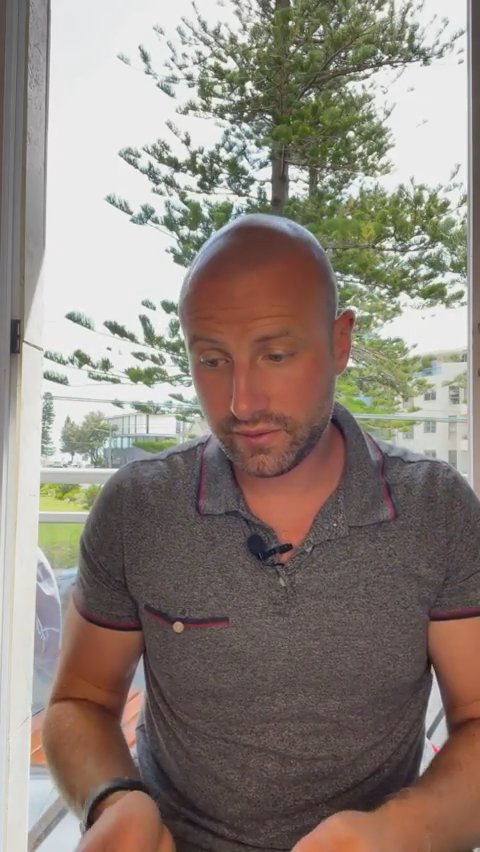
In this Livestream, join me while I share with you the three variables I look for when diagnosing a mental health disorder like major depressive or generalized anxiety disorder
Evan: What is normal, healthy drinking? What up, junk food junkie? What's going on? And so what is normal drinking, perhaps, and what is problematic or abusive, dependent drinking or drug use? How do we decide that? Where is the line?
The Diagnostic and Statistical Manual of Psychological Disorders has a list of mental health psychological disorders. Each of these disorders have a lists of symptoms. A lot of those codes are used for insurance billing purposes. There's this huge gray area when it comes to diagnosing.
For depression, it would be every day for at least a week or two to be considered a major depressive episode. The DSM also has criteria for how frequent, how intense or frequency and duration. I'm supposed to specify if it's mild, moderate or severe.
For bipolar, you need to have the presence of one depressive episode as well as a manic or hypomanic episode. Whether the disorder is substance use, anxiety, depression, those are the three things we look at. You really want to make sure that it meets the criteria.
People are consuming social media content and diagnosing themselves, especially on TikTok. A certain percentage of them may actually have this thing and may prompt them to get help. Now that doctor, hopefully, if they're good, can rule in or rule out a diagnosis.
Sometimes people have little tics out of anxiety, and that's. one of the symptoms of certain types of motor movements. Out of curiosity, is sads only for those with depression or can someone without.
Any other questions before I go? Maybe I can answer one more when it comes to diagnosis. Your questions have been awesome. It's been a lot of fun. Feel free to comment on any of my videos if you have questions. Take care.
Alright, folks, we're back with another live Evan here. I'm your resident mental health and addiction therapist. Let's give it a little bit of time, see if we can get some people hopping on so we could answer any of the questions that you have or just say, what's up? I'm live here. I'm in Sydney, Australia, at Manly beach. It's hard to see, but maybe you can see the ocean behind me. So if you're wondering why is it live and why is it bright and sunny out, that's why. So anyway, here we are. And today what I want to talk about is a few different topics that are rolled into one.
And they all have to do with kind of deciphering the difference between what is the normal human experience experience as far as having negative, difficult emotions versus what is a mental health disorder. We could also apply this to substance use disorder. What is normal, healthy drinking? What up, junk food junkie? What's going on? And so what is normal drinking, perhaps, and what is problematic or abusive, dependent drinking or drug use? So how do we decide that? Where is the line? One of the other reasons I want to talk about this is because there's a lot of controversy about this.
Especially, I think it's died down a little bit, but it was about kind of coming attacking healthcare, mainly mental health content, whether it's providers, maybe less so, more so. Maybe people who do content about mental health, whatever disorder they have, like presenting misleading information, which then maybe not even misleading, just maybe information without a ton of disclaimers, or people consuming that information, then deciding, oh, all of a sudden I have this disorder. Or even catching the disorder from this psychological placebo type social contagion phenomenon, which was everyone was in a bit of hysterics about.
So I think all these things fit together in an interesting way and I think there's lessons for each of them. So let's break those down a little bit. So let's start with how disorders are diagnosed. We have this book called the diagnostic and Statistical Manual of Psychological Disorders, and that has a list of God knows how many different mental health psychological disorders, anything from autism. I'm glad this is working. Anything from autism to low lying, depression to substance use, it's all in this book.
Now, your average mental health professional is going to probably use the codes, right? Each of these sources have a code of probably like 1% of what's in there, but there's a ton of different codes and a lot of those are used for insurance billing purposes. What's up, Katie? So anyway, so each of these disorders, they have a list of symptoms, and this is difficult because. Right. Everybody, let's say, has depression. That looks. Or everyone who has depression or a depressive disorder, which is technically called.
It's going to look a little bit different. Right. So again, it's like a very fine line, and a lot of it is open to some interpretation. However, there's some cases that probably every mental health professional would agree if they saw this client. Yes, this is major depressive, hands down. Right. And then there's some be like, yeah, absolutely not, right. But then there's this middle area where maybe some people would diagnose it, others wouldn't. Now, there's also reasons maybe the provider would lean more on the side of diagnosis versus not.
And a lot of that is due to reimbursement. Right. If I don't diagnose somebody with one of these specific codes, I can't technically get reimbursed for therapy. Just like if you went to the doctor and you just went there, you know, they probably have a code for a general checkup. But unless it's a preventative care, there's going to need to be a code. Right. All these are then, not to confuse you too much, are in the ICD, which is like the international Book of Codes. A lot of those for psychological correspond with the DSM, but for everything from torn ligament, cancer, they all have various codes, and that's what hospitals and providers submit.
Right. So there are these lists of diagnoses. There are these. Yeah, exactly. So there's this huge gray area when it comes to diagnosing. Right. And that's where the middle. Right. Again, you have people, you have certain cases or whatever that are like very obviously depression, schizophrenia. Right. Someone's shaking from alcohol withdrawal. It's like no one's going to not diagnose them with that. Right. And then some. That's obviously not. So you have this whole middle area where it does become gray.
However. However, in the DSM, in this diagnostic manual, it is very specific. So if you really follow the criteria of that manual, it takes away some of the subjectiveness of it. Let's start with an example of a depressive disorder. What we refer to as depression is actually a list of different depressive disorders. Now, the core depressive disorder, the one that has all of the symptoms of depression, would be major depressive disorder. Right. In order to have a major depressive disorder, you have to have a major depressive episode.
And so what I titled this is frequency, intensity, duration. That is what I look, for, if I'm deciding whether I want to diagnose a disorder, and even if you don't diagnose something as a disorder, if it's on that line, and it doesn't mean that doesn't mean you shouldn't get help or some treatment for it, right? Just like I always, like, refer to therapy, like a massage of your mind, where it's like, yeah, if you have an injury or something. Yeah, maybe it's crucial if not like, super helpful. But sometimes it's just nice to get one.
Because, again, we all suffer from the human condition. We all have our bad days. We all have complicated stuff in our life with our relationships, and not all those are going to fit neatly into a code. So sometimes, as therapists are kind of pigeonholed and put in, actually a really tough ethical spot of this person really could benefit from therapy, yet they don't meet the criteria. What do we do? Do we fudge it a little bit? We have our little seat, our little tricks around it, different disorders that are a little bit more vague.
But then again, we're giving someone a diagnosis, it's on their medical record. So there's all these complicated things around it. Again, if I'm looking at do I diagnose or not? We have frequency, intensity, duration. So, for example, we have major depressive disorder. You have this list of different symptoms. Now, some of those may include trouble with sleep, sleeping too much, sleeping too little, eating too much, eating too little, a lack of interest in the things that you normally would like to do.
It's like, hey, I love playing. Playing volleyball. I'm gonna play later, right? Then all of a sudden, I have no motivation to do it. For me, content creation, I just. It doesn't have that same level of importance, right. Or that disconnection in relationships, difficulty following, difficulty with my day to day obligations, recurrent suicidal thoughts. Right? So these are all a set of symptoms. And typically people either have them or they don't. So let's talk about. Okay, let's just start because I labeled, in this order, frequency, right?
How often is this? How often are these symptoms happening? And the DSM would say every day for at least. What up, Luke? So for depression, it would be every day for at least, I think it's like a week or two, right, to be considered a major depressive episode, the presence of a major depressive episode, right. So you have those symptoms that last every day? Most of the day. So it says, like, most of the day, most every day. So more often than not, essentially within that period, you are experiencing these symptoms.
Now we have intensity. So how intense are the symptoms? So how much does this actually impact your functioning now, if you're having it most of the day, most every day, right. It's probably going to have an impact. But how intense are the suicidal thoughts? How intense is the sleep part of it, the sleep difficulty? Are you losing weight? Are you gaining weight? Right. And it doesn't take a ton of disruption or your functioning for me to say, yes, this is. Right. Is this impacting you enough that warrants treatment?
Right. So we look at all three of those together, frequency and tension duration. How often is it happening? And within those disorders, when you look at the criteria, when you look at the symptoms, it also has the criteria for, again, how frequent, how intense or frequency and duration. So that, again, for some people it would be obvious. They clearly meet criteria. For other people, maybe not. And then you got everything in the middle. Now there's other disorders too. Right. We have some wiggle room, which is nice because I could say unspecified versus, like, major depressive disorder, recurrent, meaning it happened more than one episode and then I could act.
Then it's weird because I could actually. I'm supposed to specify if it's mild, moderate or severe. And there's no, like, real specific criteria. I mean, I have my own way of looking at it through the lens of frequency, intensity, duration. Like, for me, if it's, like, severe, it's like we're talking about some suicidal thoughts, potential hospitalization. For moderate, it's really having a negative impact, maybe doesn't get that far, but it really, really is having a profound, obvious impact. And then from someone who is mild.
Right. It's like, kind of like you're still able to function, but it's like, under the surface it's really affecting you, but it may not be as outwardly obvious. Right. So that's just like the criteria I use. It doesn't really outline it. Question, how do you determine if someone has manic depression? That's a great question. Super good question. Right. It's changed a little bit. So. Right. Manic depressive, that term went out the window with one of the, you know, every time a DSM comes out, about every ten years or so, they make some changes.
Right. So it used to be called manic depressive for a very long time. Now it's called bipolar. Just so you know, folks are aware that's what's referring to bipolar. So for bipolar, you need to have the presence of one depressive episode. But what makes bipolar unique is that you have the presence of a manic or hypomanic. Right. So just an elevated episode. Mania or hypomania, just a lesser form of mania. And that's just like an elevated episode. I say imagine one of those days where you drink, like, way too much coffee and you're just, like, all over and you're talking all the time, and you're like this, and you're, like, almost, like, elated.
You have all this motivation to do these things that you maybe wouldn't before. You have all this unlimited energy, but that lasts for days, weeks, or more. And dial that up to, like, you know, put that on steroids. Right. That's what an elevated episode. Right. The opposite of depressive. Unfortunately, what goes up often must come down. Typically, that comes down to a depressive episode. So you have to have the presence of both one elevated episode as well as a depressive episode. And I'm trying to think, because sometimes I think you may not even need the depressive to be, but it's really more the presence of an elevated episode for bipolar.
Thanks, buddy. Yeah. And so, like, bipolar, it's one of the. That's one of the ones that's, like, most overly diagnosed and sometimes under diagnosed. I mean, I'll see on people's charts where it says they're bipolar. But again, one of the things you have to consider, especially when it comes to substance use, is, you know, something like substance use just throws a wrench in the chain of everything because you don't. Substance use could look like everything. Like pretty much every disorder. It either exacerbates it or it gives you those symptoms that normally wouldn't be there.
So it makes it hard to tease out. So typically, I don't give one of these disorders. You could put it down, let's say, for, like, if you are experiencing substance use and depression, you can still put that down, but that can go into remission. Or I could say that depression is in tandem with substance use, and then you change it later. Or I could look at the person's history. Hey, they were having depressive episodes before they were even using frequently. So then I would feel more comfortable to make that diagnosis.
And then the bipolar one especially, I think, takes a lot of careful consideration. You really want to make sure that it meets the criteria. One interesting change, because within the last year, a new version of the DSM came out, and one of the changes in there was to make it a little bit more for a child to meet the criteria for diagnosis, you have to meet all the criteria, so making it a little bit higher to jump over. Just so you know kids aren't necessarily getting diagnoses so easily or so just flippantly I guess.
I don't know if that's the right word but I don't know. That's just like an interesting factoid right. So again whether the disorder is substance use, anxiety, depression, those are the three things we look at. Frequency, intensity, duration, and I forgot to mention too its amount of symptoms. So that would maybe fit into that intensity category because itll usually say you have to meet three out of seven symptoms or however many twelve. For substance use disorder its eleven. So if you meet two to three symptoms of the substance use disorder its mild.
Four to six, moderate. Anything above six is considered use disorder. It's a little different than how we did it like over ten years ago where it was just kind of abuse or dependence. It's kind of a two tiers versus three tiers. I think there's actually advantages and disadvantages to both. I would like to kind of meld them but that's my own opinion. But regardless that's what we're looking at. Right amount of, of symptoms do you meet the criteria? Some disorders are more complicated like PTSD where you have the most complicated I've seen because you have five different categories of symptoms and you have to meet one at least like one in each.
But again even if you don't fit into that box perfectly, therapists have wiggle room. If we think you know what this person really would benefit from treatment, I could do unspecified or other specified. One of my favorite disorders is other specified trauma and stressor related disorder which is like PTSD light. So yeah I use that one quite a bit because a lot of people have trauma but they may not meet the criteria for PTSD but they could benefit from trauma therapy. That's my favorite. Other specified trauma and stress or related disorder.
Like if I said unspecified. It's like I don't, I forget the difference. It's like unspecified as there's kind of like a reason why I'm, you know it's like if they don't meet enough of the criteria, other specified is. There's like another reason why I'm making the diagnosis. There's like a specified reason why I don't know, I'm not explaining that correctly but for whatever reason that's what I do. So do you mean the bar was raised so kids don't get labeled? Yeah exactly. Thank you. You put it better than I do.
Right. And so as I was saying that, yeah, I think there is a. I think there's a reason why they did that. I think just to be sure that kids just, like, weren't getting slap with a lot of these diagnoses, because for kids, it could be really complicated. A lot of times there's a lot of. A lot of this is trauma related. And it may not be like this inherent, you know, brain disorder per se. So I'm pretty sure, I don't know if it has to be all of them or has to be, like, very close to all of them. So they did raise the bar.
So, yeah, I mean, maybe that is an issue for some disorders where you can't, again, that just raises the bar for diagnosis. However, again, if a therapist really believes that treatment is warranted, we have our little tricks. We have our little wiggle room. So I have my book of tricks that I feel good about because I think it's for the right reasons. And, you know, even though it certainly isn't perfect, I think it's like the best we got. And I think usually with people coming in and some of the symptoms they experience, I could usually pretty fit, like, fit them cleanly into one of the disorders that we already have or, you know, wiggle it up, weasel my way in a little bit to make sure that they're getting the treatment that I believe is warranted, based on my humble opinion.
So one of the reasons, too. So that's kind of the main, central thing I wanted to talk about. But one of the reasons I thought about this is because there was so much controversy about, like I mentioned, so much controversy around people consuming social media content and diagnosing themselves. Right? Everyone. There's all these hysterics around it. People are consuming this stuff, especially on TikTok. You know, TikTok is like, enemy number one, right? So people are consuming this and they're diagnosing themselves, and it's a huge problem, and there's social contagions going on.
And maybe some of this is true to a degree, but what I think. But that doesn't mean that these things shouldn't be there, and there shouldn't be awareness raised, because a lot of people who can relate with some of the disorders, whether they see it from a mental health professional or someone who has the disorder and they're making content on it, they could relate. A certain percentage of them may actually have this thing and may prompt them to get help, which is good. Now, other people may not.
Now. Okay, what is the implication of someone's, like, oh, my. You know, like, Adhd is a big one. Like, okay, what if they think they have ADHD, but they don't, and then they don't get tested? Well, if they want to get meds, you know, it'd be one thing if they could just go to the store and they start purchasing stimulants, which you can't do, thank God, but they would then have to go to a doctor. So now something prompted them. Now that doctor, hopefully, if they're good, can rule in or rule out a diagnosis.
So I think that's still for the better. So I don't know. I think it's kind of like this overblown concern of people are diagnosing themselves. And there certainly are some areas where it's like, oh, everybody is a narcissist, and it always happens to be my ex. How is it that we all end up dating and dumping a narcissist? We're probably all in that category, too, right? So it's probably not the best criteria to think of the person who are, like, the most resentful towards and then looking at the criteria for narcissism and be like, oh, yeah, right.
Start diagnosing it in our lives now. Experience being a funny kind of anecdote. But I had this awesome teacher in grad school. We were taking the diagnosis diagnostic course, and at the very beginning, she set out this disclaimer which was, we're going to be reading through the DSM, and what's going to happen is you are going to start diagnosing yourself and everyone, you know, with these disorders don't do that. Right. Because it's most likely not going to be the case. Right. So that's like, right off the bat and she was right.
Because if I started just telling you the symptoms, all these. Right, and I call it the WebMD effect. Remember when WebMD came out and everyone would go on and then they thought they have, like, cancer when they have, like, a headache and. But it's the same thing. Right. So I think that's just a byproduct of I share with you symptoms of disorders. You may take that and run with it. Does that mean I should not share that? No. I mean, I think that it's important to do disclaimer. Sometimes it's hard on TikTok when I'm doing a 1 minute video, and then I have to do about, like 20 seconds of disclaimers.
You know, I think that's a little overkill. But it's like, you know, sometimes this can be a very good thing. So I asked my friend who's a psychologist who does, like, ADHD autism tests, because those are two of the big ones where people think they have lower level one autism, higher functioning, whatever, what used to be called Asperger's or, like, ADHD, because a lot of times, we could relate with a lot of these symptoms. So a lot of times, we could relate with a lot of these symptoms. And so I asked them, how often is it that people get who think they have.
So the people who think that they have autism or ADHD, how often when they come and do their case? Because he's like, yeah, my referrals have doubled since TikTok. Right? And so I said, out of curiosity, I'm like, well, how often are these people who are diagnosing themselves or think they have it from TikTok? Actually do? He said about half, right. So that's a ton of people who are getting diagnosed, who needed to. Then the other half are being ruled out. Right? So if we could get. So if, you know, as I always tell people online, if you could relate with these, go get diagnosed or not diagnosed.
Sorry. Go get tested and rule it in. Or rule it out. So, again, I think this is a net plus. I think a lot of it, you know, it's like, people like to dunk and score points. Like, oh, TikTok is terrible. It's like corrupting the minds of everyone. And these mental health professionals are irresponsible. But you know what? I'm gonna defend us a little bit, because from what I see in my, I'm not gonna judge myself, but let's say my peers, right, this. Your mental health professionals, I think they do a really good job.
I don't see much where I'm like, oh, this is utterly irresponsible. Even some of the creators who aren't mental health professionals. All right, so we got some good questions. Nieces, Asperger's, and she has tics. What causes them? Well, I don't. I can't say for sure. Sometimes people have little tics out of anxiety, and that's. And with something like, you know, level one or just like, autism in general, actually, one of the symptoms is certain types of motor movements. Right? So that is a symptom of people having unusual motor movements that may be, like, rocking back and forth, these things to self soothe.
So I don't know if you really call that a tic per se. Like, a tic would be more of, like, a kind of abrupt a tic as comes from, like, oh, like kind of like a compulsion. Right. It's this, like, behavior that eases anxiety. It's almost like scratching an itch. It's a way to, like, kind of, yeah, just soothe anxiety. So you see that with, like, something like Tourette's, which is really intense. So maybe that's, that's the best I could think of for that. I just, I don't know. Out of curiosity, is sads only for those with depression or can someone without.
So. Oh, that's a good question. So seasonal affective disorder, basically, again, we look at major depressive disorder because a lot of times there's a core diagnosis for each category. And for depressive disorders, it's major depressive disorder. So there's that list of symptoms I was telling you about. So if I'm looking at. So nowadays, I think at one point it was like its own disorder, but now they just say, look, that is major depressive disorder. But if you only tend to have it in the months where whatever hemisphere you're in, you have less sunlight in the winter months, then that would be considered major depressive disorder.
So it would be considered a depressive disorder with seasonal onset. So that would be a little add on. Sometimes with these diagnoses, you could put, you could, like, tack on and add on to it. And that's. And that's what that would be. That's a really good question. Any other questions before I go? Maybe I can answer one more when it comes to diagnosis, but this has been a super fun live. Your questions have been awesome. It's been a lot of fun. I believe that you could go ahead and comment, so, you know, feel free to comment on any of my videos if you have questions.
And maybe I'll just go ahead and do a live on it or I will make a video on it. So super cool, folks. It's been awesome, and I will bid you a good evening. Take care. Bye.
Reactions and comments are for members. Joining is free and takes a minute.