How AA is actually helpful
Chris Edrington: AA is not a culture. There will be some crazy people in AA. The twelve steps give you an opportunity to change, really change who you are. Getting into early recovery is not about just not drinking or not using. It's about being the person you want to be.
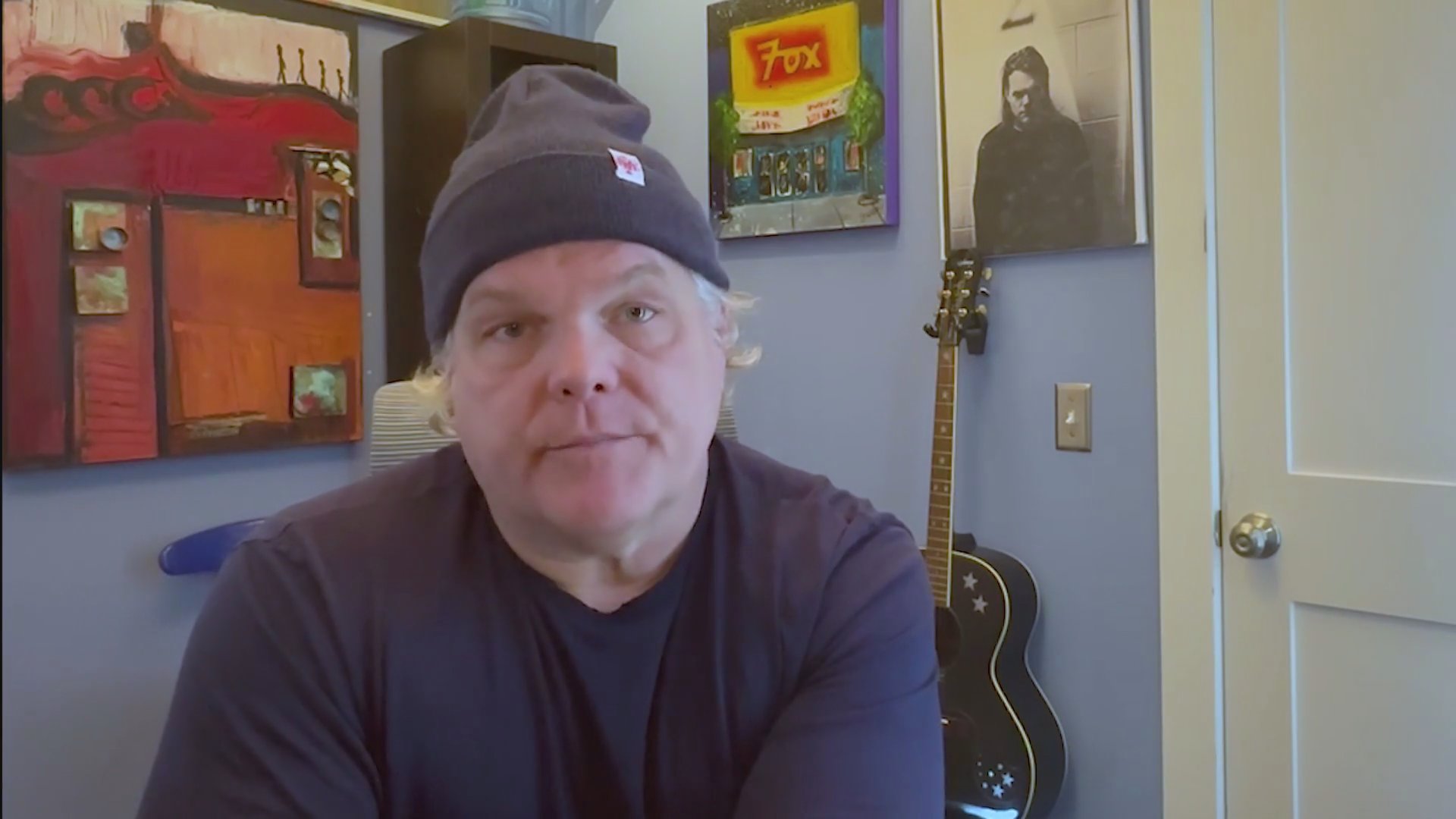
Hi, guys. Chris Edrington here from Cadre. Today we're going to talk about AA, specifically Alcoholics Anonymous, narcotics anonymous, and maybe some clear up some ideas about what really it means, how to make it more effective in your life, how not to get the wrong perceptions about what it really is and what it means. The first thing I would say is that coming in, as a decade long heroin addict, I struggled with the alcoholic thing in the beginning. I even went to meetings where they didn't want people to talk about drugs and only about alcohol.
And I copped a resentment about that. I came in in 98 originally, so I understand that. What I would say right off the top is it's not a culture. They're not going to try to make you find God. There will be some crazy people in AA. There's crazy people everywhere. There's awesome people there also. And that is primarily the reason to go. If we took a poll of people who were two, three, four years sober, ahead of wherever you are, close to your age, close to your story, someone you could relate to, and we went and found a whole bunch of those people in AA and said what mattered the most, they would probably tell you the other people.
And so we really need others, desperately need others in this process of getting sober, and that's where they are. So that's the reason to go, if. No other reason than that, just go to the meeting so you can meet the people and forget about the parts that bother you. Forget about the God part. Forget about the stuff in the big book that was written in the thirties, it sounds weird, especially if you're young, forget about people in the community finding out about you. This anonymity thing is old.
It's archaic. It's meaningless. It doesn't mean anything. No one really cares what you're doing with your personal life anyway. They're thinking about themselves. If you have a boss who's going to fire you because he found out you were an AA then, or she found out you were an AA, then you need a different boss. I think it's really crucial to understand that there are two main things about early recovery that we're trying to do. Trying to get, trying to change, and how AA can help you do that. First and foremost, it's the people, the other people, and modeling after them and learning from them and hanging out with them and feeling comfortable and part of something magic, half the battle, almost all of it right there.
The other two things I like to say is getting into early recovery, stop using whatever you want to call it is not about just not drinking or not using. It's about being the person you want to be and having the life you want to have. And you can access those two things through AA. In a very general sense, the twelve steps give you an opportunity to change, really change who you are. In the fourth and fifth step, in the twelve steps, you get to look at who you were, or who you've been, or who you thought you were.
And then with the help of a sponsor, move from there to, well, who do you really want to be? What kind of person do you want to be? Well, let's act like that. Let's just do things like that. Let's have a life like that. Let's lead a life you've always wanted to lead and you couldn't because you were shackled to the drugs and the alcohol. And I know that sounds trite, but it's true. I was a heroin addict for the most of the decade, of the nineties. Didn't do a whole lot of nothing, did a whole lot of nothing for a decade.
Thought I was a guitar player. Apparently I was more of a junkie. Anyway, that process of going into this repurposed lifestyle, I want to be a different person. I want to be a. I want to have a different life. That is the process of the twelve steps and the other people in recovery, that. That's the whole point. So I could propose this process to you and never use any language that had anything to do with twelve steps or AA, and you would probably say, yeah, yeah, yeah, yeah, yeah, I want that. My therapist did that to me years ago.
It tricked me, I felt. Anyway, I had to go. When I left therapy, I had to go across the street to guitar center and buy something just to feel better for a minute. It's really crucial that you understand what the pursuit is about. And then the external things that you're asked to do, like go to meetings, maybe live in a sober house, in a room, a shared room, maybe you have to go to treatment again, got to go to a lot of therapy, maybe you've got a whole bunch of meds you got to work out. All this stuff you're asked to do in early recovery is about that process, and we need the AA structure to access it, or na.
In some cities, Na is just as big as AA. In some cities it's not. I guarantee you that if you really worked at it, you could find meetings within six blocks of wherever you're living. They are everywhere. What's really important is where are the people going before and after. Where's the lifestyle? They call it fellowship? Where are the people who are living in recovery hanging out? Because that's where the real osmosis, so to speak, comes from. You hang out with these people, and you just pick up all kinds of stuff about what to do, what not to do, which turns into confidence, right?
You get comfortable, you feel part of something. You feel validated. You share what's not working for you. You watch somebody else share what's not working for them, and they're brave enough to do that. Then you're brave enough to do that. You hear someone talk about, I overcame this. I got better at this. And you're like, oh, man, I can do that. Right? That's why I keep saying this is rocket fuel, because the exchange and the momentum you get from this community is the fuel that will launch you into a different life.
And I guarantee, guarantee if you stick it out long enough, you're going to say to yourself, why didn't I do this years ago? So let's dispel some of the stuff that keeps us out of what we think AA is okay, because, really, we're living in a life of recovery, and we're just using AA to get there. And, yeah, there are stupid parts to it. And I think for young people, especially, some parts are really difficult. And I think, as, you know, addicts and alcoholics in general look for, you know, resentments and look for things to be to find fault with and look for things to get mad at.
I certainly did in my early years, and my sponsor kept reminding me, you know, you came here to change, so change. You know, and if you're scared or you want help or advice, we are surrounded by people who've been doing it for a long time. It's really an incredible opportunity, and I want to keep people from, or I want to have people feel confident about why AA actually works, why the meetings are helpful, and to get more comfortable with the process and not be so afraid to start once again. Tons of.
Tons of help on Cadre with people with this kind of lived experience, but in all kinds of different buckets of wellness, anything you can think of, from business to depression to style to parents of alcoholics to parents of people who are struggling with mental health, all kinds of mental health issues, women's issues, LGBTQ issues, we got all kinds of people, and the point of these videos is to help show you there are people out there living with the same issues, and they've got lots of experience to turn around and share it with you.
So thanks for listening. Until next time.
Reactions and comments are for members. Joining is free and takes a minute.