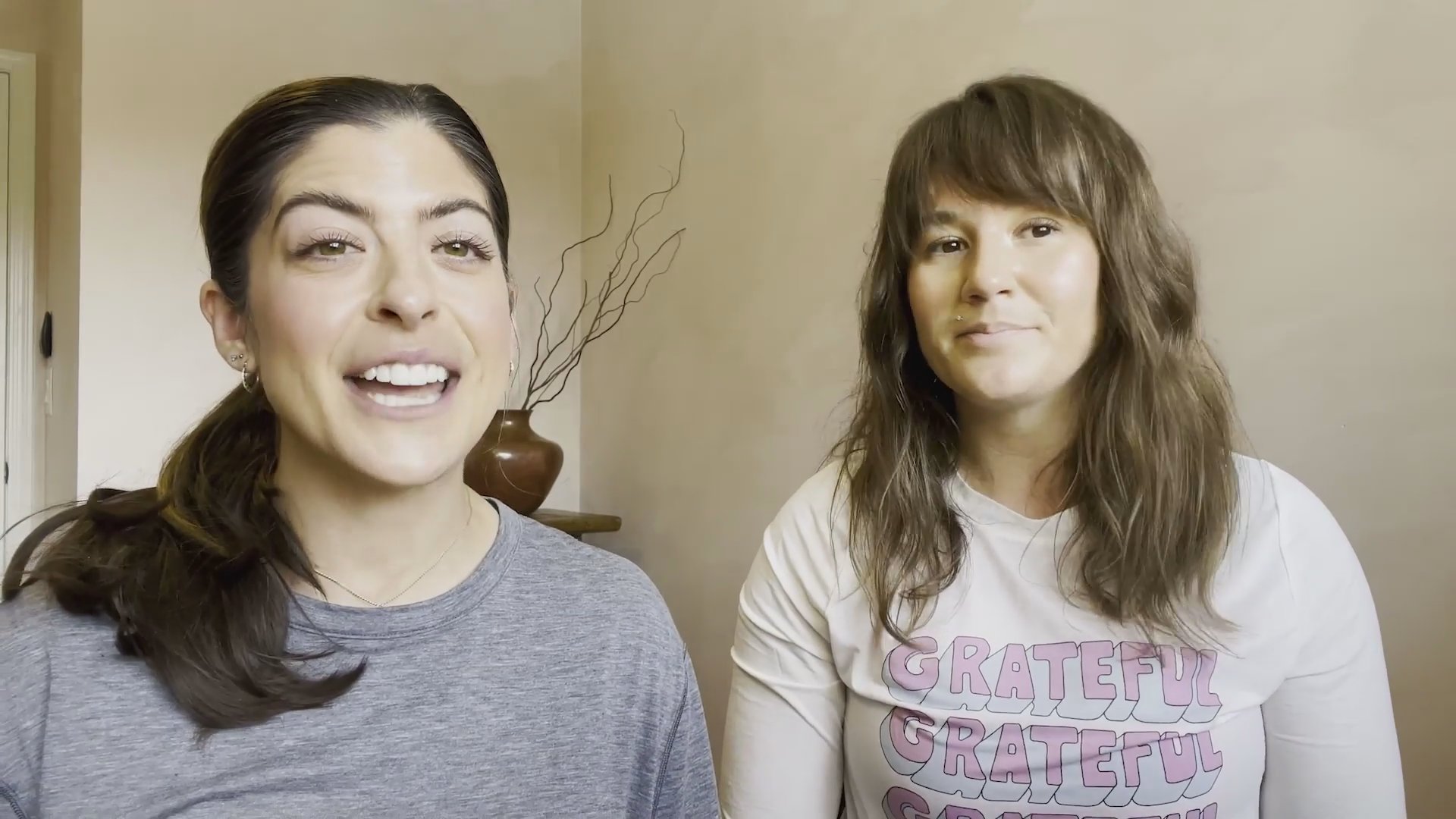
As parents, we want to protect our children from the challenges of the world and make their lives as easy as possible. However, this approach can actually hinder their ability to develop resilience and cope with adversity. In this video, we explore the power of NOT solving children's problems and allowing them to develop their own problem-solving skills. Through personal anecdotes and insights, we will discuss why resiliency and the importance of allowing children to experience failure and learn from their mistakes is an integral part of their growth and development. Join us as we explore the power of NOT solving children's problems and help build a generation of resilient and capable individuals.
Do you want to build resilient kids? If the answer is yes, then you have to stop doing everything for them. It's a crutch, and we've seen it over the years become worse and worse.
When is it your job to interject so that you do really get to teach and keep the peace? The more that you step in to resolve, the more that your child is going to count on you to solve their problems forever. You are not raising a child, you are raising an adult.
Our plea to you is to allow your kids to struggle, allow them to work through their problems without immediately stepping in to solve them for them. What is easy now will make for a hard thing later on. We understand that this ask is going to take practice.
Question for you. Do you want to build resilient kids? If the answer is yes, which I'm assuming the answer is yes, because who doesn't want resilient children? Then you have to stop doing everything for them. Parents, I know we love our kids. I love my kids where I literally would do anything for them. But I'm telling you, us doing everything for them is hindering them. It's a crutch, and we've seen it over the years become worse and worse and worse. And I have the perfect example for you. I'm not a parent, but I get to see her kids and her parenting in action all the time.
And there is not a week that goes by without a call from her principal, from the principal at her kids school. And we have to giggle because it's this, it's little stuff that he's calling to report on. So Haze got kicked in the lunch line, right? It's like, okay, haze is a first grader. I suspect that things like that are going to happen. But we have to laugh because we understand why he's calling. And that's not because we're going to get upset about Hayes getting kicked in the lunch line. Other parents are upset and they want action and they want accountability and they want an apology.
They want to make sure that a lesson is learned. The lesson that they are completely missing are the little lessons that our kids learn in school by things like that happening without us stepping in to solve the problem or save the day. Yes. How many times do you experience, experience your kids fighting, whether it's with a friend group or whether it's at school or during sports, and then they run, they break away, and then they run to an adult to say, so and so did this, and this is how they made me feel.
And yada, yada, yada. And then you as a parent go into the situation to try to resolve it. These are the type of situations that we want you as parents to assess. When is it your job to interject so that you do really get to teach and keep the peace? Or when do you get to empower your kid to say, hey, go over there and talk through it? Like you get to kind of coach your kid around what to do so that they go and do it versus you doing it for him? Because guess what? The more that you step in to resolve, the more that your child is going to count on you to solve their problems forever.
Forever. Forever. And realistically, you are not raising a child. You are raising an adult. And by looking at that through that scope. You are trying to equip your kids to be the best possible, most positive, contributing members of society when they get to that point, as you can, because you only have eight years with them, then they get to go off and fly the nest and live the rest of their life from the age 18 to hopefully 99 years old, 100 years old. You have to give them the skills to be able to do that successfully in those 18 years or they are going to struggle for the rest of their life.
So if you are a parent that steps in and solves and fixes and does their homework, you're hindering them from being able to problem solve and conflict resolve and have fights with friends and come back and be able to reconcile later on for the rest of their life. And if we can have an environment, whether it be at home or at school, where healthy conflict is good, it's okay to have conflict because I. Newsflash, we're in conflict all the time as adults. And if we can start teaching them that that's it's okay to have special and it's okay to apologize or to take a break from people.
It is our job to give our children vocabulary and to coach them around what conflict looks like and that it is okay to have it in their lives without you solving everything for them. And when you do that, the solving of everything for them, you muddy the water for them. They begin to turn molehills into ginormous mountains because they don't know the difference. They don't understand. They don't have that contrast between what's a really big deal and what's not a really big deal, and that's really harmful, not just for an individual, but for society as well.
We start to view situations through this lens of oh, my God, that is an emergency, it's a 911. When it's not necessarily that at all. And it can be snuffed out very easily with, with a couple of tools to conflict resolution. So our ask of you, we're begging you as, as two women who work with girls, teens and tweens on a daily basis, and we're seeing the resiliency muscle just decline, decline, decline. Our plea to you is to allow your kids to struggle, allow them to work through their problems without immediately stepping in to solve them for them.
Period. That's it. That's what we've got. And we know, just like every other message that we have on this platform, it's not easy. If you're a parent that sits here and does things for their kids out of the kindness of your heart because you love them more than you love yourself. We understand that. And we also understand that this ask is going to take practice. So don't give up because it gets hard. Don't give up because it's easier to solve the problem for them in that moment. Because what is easy now will make for a hard thing later on.
And what's hard now will make for an easy life later on. So remember that when you are struggling to embody this practice, you got this. We believe in.
Reactions and comments are for members. Joining is free and takes a minute.