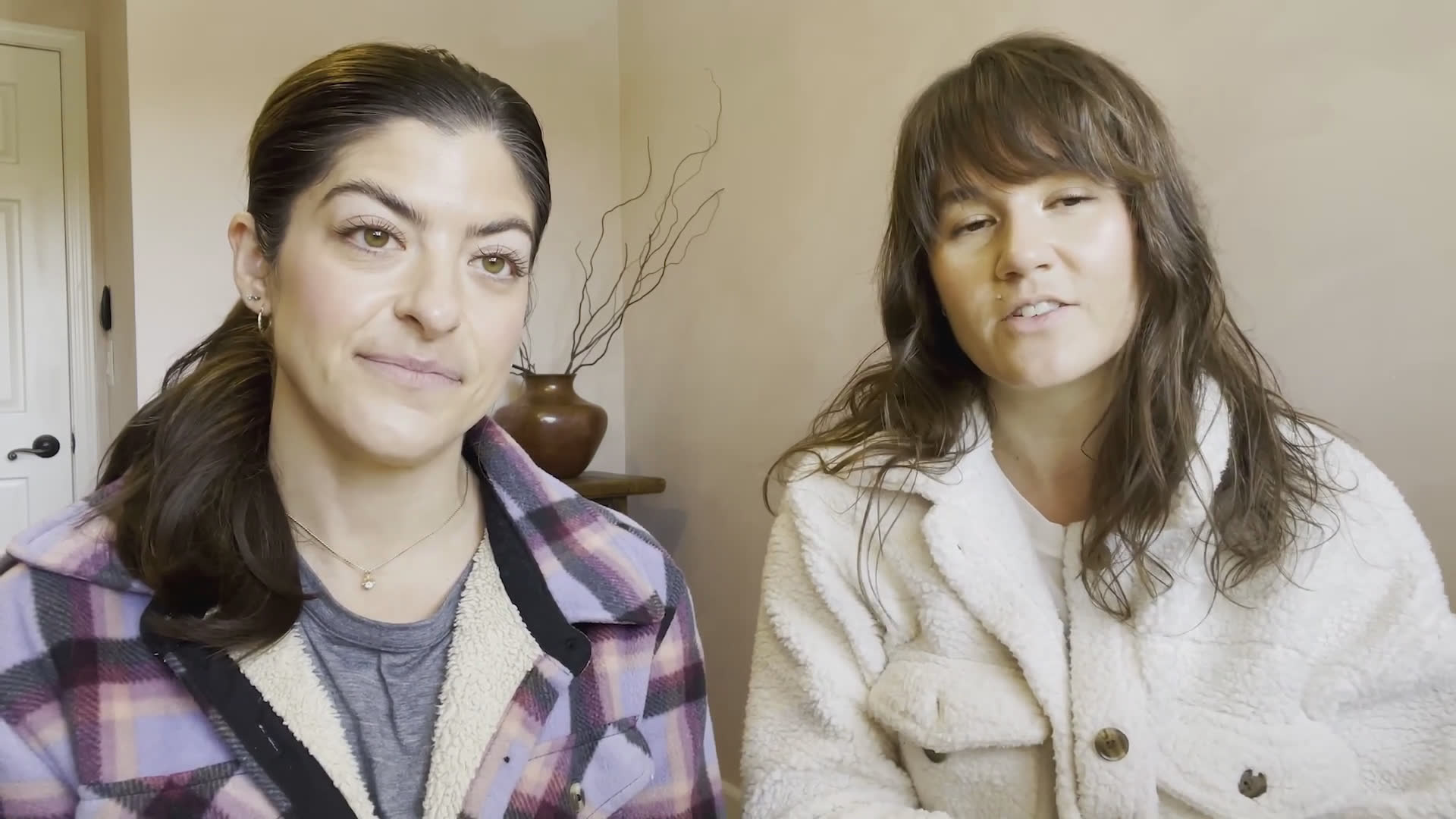
Forgiveness and reconciliation are two concepts that are often used interchangeably, but they are actually quite different. In this video, we explore the nuances of each term and why understanding the difference can be crucial to our personal growth and well-being. Forgiveness is a personal choice to let go of anger and resentment towards someone who has wronged us. It is a process that can take time and does not necessarily require reconciliation or a restored relationship. Reconciliation, on the other hand, involves restoring a relationship and rebuilding trust after a breach has occurred. While forgiveness can be a powerful tool for personal healing, it does not always lead to reconciliation, and reconciliation is not always possible or healthy. Join us as we dive into the complexities of forgiveness and reconciliation and why it is important to know the difference. We will share practical tips on how to forgive without necessarily reconciling and how to navigate relationships when reconciliation is the goal.
Are you ready to break free? You ready to rumble? Let's rumble, baby.
Forgiveness is being able to forgive somebody without their onus in this situation. Reconciliation takes two people. It takes personal responsibility on both sides of the line to bury the hatchet. By letting that person go, you let yourself go.
Are you ready? You ready to break free? You ready to rumble? You ready to be. Let's rumble, baby. We want to create a conversation with you or have a conversation with you around forgiveness and how much freedom you will garner from understanding what forgiveness is versus what forgiveness is not. Freedom. Freedom. How many of us are holding on to a situation, an experience, where you felt burned by somebody else, by something that happened. And we have. I just feel like as a society, it's like, forgive and forget, move on.
You're going to be fine. Right. But still, deep down inside, it still hurts. It's not forgiving or you're not moving on because it's still stinks. Well, and I think it's very easy to say forgive and forget. I think that's a very easy, like, laissez faire, move on, get past it. But we don't dive into what actually goes into the concept of forgiving and forgetting. And to go a layer deeper in this conversation, there's a huge difference between forgiveness and reconciliation, one that we also don't talk about as a society, and one that really gives us a great chance of being able to work on ourselves and break free from the chains, from the chokehold that these situations have on us days later, weeks later, months later, some of you, years later.
So forgiveness. Forgiveness. And what we wanna call out is, this is a practice. We recently learned this, and when we learned about this, talk about a weight being lifted off of our chest, because what we have always been taught is the saying, forgive and forget, move on. So let's. Let's dig into it a little bit. Forgiveness is being able to forgive somebody without their onus in this situation. So if Jill wronged me, she did something wrong. Whether she knows it or not, I have the ability to forgive her.
I can move on without her consent. I was going to say without my apology. Because, of course, I'm sure if we did get into a scuffle, she's waiting for me to apologize. But if I never come around to apologize, she's the one holding onto it. And maybe she doesn't even know how deeply she hurt me or that I'm expecting an apology. We expect so much of people who don't have the tools to actually give you what you want in the moment that you're going to be holding on to the notion that they're going to say they're sorry for the rest of your life.
And that's robbing you of your headspace, of your energy, of your emotion, when she literally probably has no idea that she hurt me that bad. Well, and that's where the resentment comes in. And resentment lives in your body, deep, deep. And it's then being able to move past that so that if we were to come in contact with one another, she's not staring me down with dagger. I'm not seething. I hate her. That conversation that happened years ago or months ago and it's still coming up in the present day.
And unfortunately, our body doesn't know the difference. Our brain doesn't know the difference between something that happened in the moment and something that happened again in our brain. So if it happened 20 years ago and I see her again and it brings the situation right back, those same feelings, all that cortisol running through your blood, and it's just. It's not a good situation for you. I love to say, and you've probably heard it time and time again, that unforgiveness is drinking poison and expecting the other person to die.
It's not doing anything because that person has no idea what going on. Now, the difference, forgiveness, you get to forgive and forget. You get to let that person go. And by letting that person go, you let yourself go. So you're the winner in that situation because you're choosing yourself over holding on to anger towards someone else. Now, the difference between forgiveness and reconciliation, that's different. Reconciliation takes two people. It takes two people owning it. It takes personal responsibility on both sides of the line to come together, bury the hatchet and say, we're going to move on from this situation under these terms.
Terms and conditions have to be laid down for reconciliation to happen. So that when you do, when I think of when I get into a spat with my husband as opposed to the next spat that's going to come up, we cannot continue to keep score on what has happened in the past. So this concept is hard because as human beings, we want to. When we're upset, we want to pull out all the reasons why we're upset and how in the past has happened so many times. Right? We want to even the score. We want to even the score.
Who here wants it to be equal? She did that to me, so I'm going to do this to her. Right? And we see this a lot because we work with teenage girls. And you better believe my kids are doing it now at a very young age. So if they're doing it now at a very young age and we're still doing this as grown adults, we need to start teaching people the difference to freedom versus reconciliation and knowing you have the power. You have the power to forgive, to reconcile, to break free so that you can move past whatever conflict has held you down.
And not, like she just said, held you down. Not let that conflict hold you back for the rest of your life. Right? Like, break free from the chains of this. It will feel so much better. And it's a practice. So who. What are you reading? Who are you listening to? How are you implementing a meditation practice? It's as simple as box breathing or phoning a friend to say, hey, I'm really p***** about this thing, and having somebody else walk you through it. There are strategies that you can put in place when you're starting to feel that anger pop back up from a situation that happened in the past that you can utilize to move through that anger in the moment in order to be able to let it go.
Let it go. So that's it? That's it. Let something go that's been holding you down for weeks, months, years, so that you can show up in such a bigger way. We believe in you. We believe.
Reactions and comments are for members. Joining is free and takes a minute.