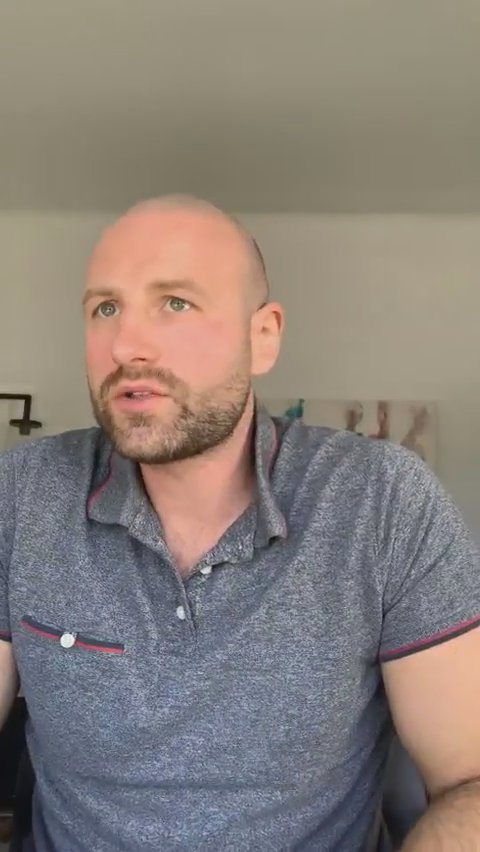
In this livestream, I'll be discussing my personal journey to quit nicotine, which began last October. Over time, I've developed a habit formation method tailored for individuals battling various addictions. Although I've recommended it to clients, I found myself in a position where I needed to embrace it too. Join me as I recount my insights and experiences from quitting nicotine using this very approach.
Cadre fam. Evan is your resident mental health and addiction therapist. This is an episode of mental health matters, where we talk about issues regarding mental health. Hopefully some others join the conversation.
Therapist: I'm very interested in the process of how people make changes. It's important to have a plan when making any type of change, any big change, right? The hardest part of making the changes is that initial shock.
For me, I've quit at multiple points. I've developed this method of using these four variables of motivation, plan, accountability, and a commitment. I was using nicotine again recently, and I finally decided, like, I just need to stop.
"I would usually get years and years without nicotine, without actually that much of a problem. The problem would come when I would just convince myself I could handle it or I could, like, just do it once in a while, " he said. He set a hard date to quit and used social media to hold himself accountable. But that plan didn't work.
Just thought I'd share and offer some help and support for anyone. Doesn't just apply for nicotine, drugs, alcohol, forming new habits. Just go big or go home with it is my recommendation, if you're trying to make a big change. See you next week for a Q and A.
Hey, Cadre fam. Evan here, your resident mental health and addiction therapist. This is an episode, not an episode, a livestream of mental health matters, where we talk about issues regarding mental health and addiction, and because mental health is important. So looks like I got the notification that I'm live. Sweet. Hopefully some others did, too, and we can maybe have some folks joining the conversation. But today I have a very specific topic I want to talk about, and not just a topic, but it's also kind of personal victory for me that I'm excited to share with you.
So I've talked about it on this app. I've done some videos on it, but I'm very interested in the process of how people make changes. I mean, that's really the basis of why I'm a therapist in the first place, was I needed to make some very serious changes in my life and changes difficult. And so, you know, throughout the process of my personal journey, of professional journey, in the same arena, you know, of breaking free from addictions and other harmful coping patterns, you know, I was really curious on, you know, how people make changes and how to take these extremely difficult changes and make them not easy, but as least difficult as possible.
So I put together kind of like a basic framework for how people make changes. And with that, there's a few different variables. And so when I work with folks, we talk about, oh, what's up, man? So we talk about motivation, right? So what is your motivation to make a change? What is your plan? So it's important to have a plan when making any type of change, any big change, right? So that could be quitting smoking, weight loss, quitting drugs. I mean, it could just be forming a new habit, whatever that may be.
So, yeah, having motivation, a plan, having some accountability, so bringing others in to support you and hold you accountable, and then in the very end, making a commitment, really giving you that final push to take the first steps of making a change. Which are the most difficult, which are the most painful, is that transition from one way of being to the other. You know, kind of like jumping in a pool. You know, that first the shock, you know, the temperature change, but then you get used to it.
Oh, it's kind of nice in here, right? So that's kind of what we avoid. What's, like, the hardest part of making the changes is that initial shock. You know, you stand next to the boy like, oh, you know, don't push me in. All right, count to five. So basically, so I want to do here, maybe not. I won't go too deep. Into each one of those processes, because I would encourage you to watch some of my videos on that. But so, yeah, more of a personal one here. So I on this app, whether it was in some in live streams, and I talked about my previous attempts before to quit nicotine.
Now, nicotine is one of the most addictive substances there is, and people try desperately to quit multiple times, sometimes with success, sometimes not. Maybe it takes multiple tries. But for me, I've quit at multiple points. Like, when I was first, like, when I was in addiction, I was, like, full on smoking, chewing to bed, like, just all about it. But then when I was about a year sober, I quit. And I put some of these ideas of how I quit substances, how I quit drugs and alcohol and applied that to nicotine and found success for many years.
But then eventually, as part of the change process, sometimes relapses, and they're having gone back using nicotine again for years. So I've kind of done these cycles where I'd be, like, a few years on, a few years off. So each time it's difficult. So I was in a few years on period through the pandemic. I don't remember when I'd, like, started back up, but there's maybe a good, like, four years or five like that. I was using nicotine again recently, and I finally decided, like, I just need to stop.
You know, it's just. It's just not pleasurable. You know, it's like I always say, having a nicotine addiction is like purposely giving yourself a mosquito bite so you could scratch it because it feels satisfying to scratch it. Oh, no problem. Well, so about a year ago, I'm like, you know what? I teach people about the science of quitting things. So I'm like, let's just do an experiment. So I've done this before. I've developed this method, right, of using these four variables of motivation, plan, accountability, and a commitment.
Let me do that now on myself. You know, this is a huge change. So I tell people, do so all the time. So I'm gonna put my money where my mouth is and do it. And so I put all those things together. So let's go through. So the motivation. I was sick and tired of just needing nicotine. I didn't really like the feeling of anxiety I would get after using too much of it, paying money for it, always craving it, always making sure I had to have it with me. That was just the physical effects. So that was my motivation.
I just wanted to be done with it. Then my plan was a few fold for one. I need replacement behaviors. For me, I was doing the pouches, so you kind of get that oral fixation. And I used these before. It helps. These are these cinnamon, really intense toothpicks, right. That kind of give you a little bit of the burn, and they're really tasty. So I bought some of those. So whenever I craved one, I would use one of these. You could do a mint, whatever. You know, those things are helpful for smoking as well.
So I'm going to get these. I always like drinking, like, tea after meals because that's the biggest craving. And tea helps settle your stomach. You get a little pep from it, you know, so that would actually help get rid of the cravings when I wanted it most, which was after a big meal, and I eat really big meals. That's just how I go. So I had that in place. So just like a couple really simple things, because I've done it before, I'm like, look, I just need that. And I knew for me, it's like, once I get through that first couple weeks, I'm good.
Now we could talk about the relapse process, too, and why I kept going back. Different story. But I would usually get years and years without nicotine, without actually that much of a problem. The problem would come when I would just convince myself I could handle it or I could, like, just do it once in a while. So let's talk about that in the end. But anyway, so that was like, you know, that was, like, my. Or another part of my plan was that I always recommend, like, finding, like, a really hard date to quit something that's kind of like a meaningful.
Like, it could be a birthday, it could be an anniversary. I mean, just like, kind of whatever, but also something like a definitive date, like a vacation. So for me, I was doing this trip to the boundary waters, right? So I was going to be, like, trekking into the wilderness for, like, five days with my friends. And, like, this will be a great opportunity because I'll be out of my environment. I won't have those same exact cues and triggers. I won't bring it with me, and then I'll go in without it.
And then by the time I get out, I'll have gotten through those hard days. And so that was my plan. Quit date. So I had this. So I had, like, a pretty good plan going, and I did start to kind of wean down on the nicotine to make it easier up to that point. So giving myself a little bit of a better point. Then the accountability was really, for me, it was just telling people, hey, everyone, just so you know, like, I'm going to really give it this shot, this attempt, because I wanted to come back and be able to tell people, hey, I'm doing good.
I did it to get that support. I knew people wouldn't judge me if I fell back, but I really wanted to. Sometimes when you tell people, you really want to have that pride of being able to tell them you did it versus the opposite, so you don't want to purposely induce shame. It could, but probably not the best. So that was, like, my form of accountability. However, I took it a step further, which is, I made a video here. Well, I told everyone here at Cadre, I made a video on my social media telling people of my intentions, right.
To hold me accountable. And so that's what I did about a year ago. I said, this is what I'm doing. I'm using this method that I basically, we put together and did it right. So then I did it. Now, the funny thing was, so I went to the boundary waters, and that plan didn't work. Okay. And that's okay. Things happen. Unforeseen things happen. So what happened was, what I should have done was, I don't know why I didn't do this, but I should have thrown everything else I had. When I got to the boundary waters, I realized I had a full pack of pouches, and I should have just thrown them out then and there, but I'll just throw it out when I get back.
We gotta go. So I had those there, and I only. I brought, like, a couple in with me, but, like, I, like, extended it too long. From the time we got to the campsite, I still, like, maybe had a little bit left. So that, like, last night, that was gonna be my last night. I should have just not brought any in with me at all. Not even one pouch. I just brought one in with me. Me. The thing was, the trip got cut short, so I used it that first night. I had about one day, like, fully free from it, and then the next day, you know, I was fully free from it.
But then we realized we had to actually leave because there's gonna be huge storms coming in. So we had to cut the camping part short. So after this crazy, grueling, hard day of, we canoed all day, miles portage the canoe, which is insane. We had to then pack everything up and go back at night. I almost got, like, lost, and it's nuts. But anyway, after this crazy day, I get back in the car, I'm exhausted. What's sitting right there? A whole pack of nicotine pouches. So I said effort, and I used again.
Now, okay, I'm going to learn from my mistakes here. So I set another date for about two to three weeks after where I was going to Mexico for a wedding. This will be a good opportunity. And then I was actually successful. I weaned down again, and that was the last trip that I used. And so that was about a year ago. So what's cool is over the past year, I've not used nicotine at all. I've only had a handful of really, really tough cravings. But I keep doing those replacement behaviors. You know, I keep reminding myself of the motivation.
I continue to have some accountability. I continue to have. I just keep the plan that I was doing before because it works, right? It's been working for me. Now. The biggest thing about avoiding relapse is that I told myself this time, I've never done this with like anything per se, but I literally say maybe a little bit of hubris, but it's like, I'm not going to use nicotine again. Now, I know it's possible, but like, literally my mindset is I am never going to touch that s*** again because I've done four experiments now where I tried to control, and every time it goes so poorly, and every time I even use it once, I'm using it every day for four years.
Like, I have zero control over it. There's no, like, my illusions are shattered and I just remember every time how unsatisfying it was and how good it feels to not have those cravings all the time and be nicotine free, you know, and see others struggle with it as well. And I really want to help other people. So if anyone wants any help, you know, I could do coaching here or otherwise, or you could watch some of my videos on addiction. But no, I mean, it feels good. So I just wanted to share that win with you.
I think it's important not trying to like, gloat to those still using nicotine or anything. But I don't know, it's just cool. So I'm excited. Cause I can remember making that video a year ago. A year flies by and it's like, oh, cool, I did it again. And I'm really, and I feel good knowing that I'm really intending, I'm never using it again. And that kind of helps with the mindset. I don't crave it as much or really have those, like, back and forth. Oh, maybe I shouldn't. It's like, no, just like, I made that commitment for a reason.
I got to remember why that is. So anyway, hope you got something out of that. Just thought I'd share and offer some help and support for anyone. And again, doesn't just apply for nicotine, drugs, alcohol, forming new habits, exercise, dieting, whatever that is. Any new habit you want to form, this method works. So check out some of my videos. And I call it the habit tripod. Tripod being accountability plan. So actually, I change. I always like to tweak it up a little bit. So anyway, it's motivation having a plan, having accountability and support.
So, like, bringing others in, maybe we'll think of a name for that. So allowing others in with accountability and support, that's the tripod on top of it is where you make this commitment to the change. That's the final push that you say, I'm going to really do. So I'm going to give this my all and I'm not going to just kind of half a** it because that's where a lot of people fall back, like, all right, I'm going to quit. But then you don't really have a plan. You don't have the pouches, you don't have this or the patches or the nicotine replacements or.
And that's where people fall short. They kind of do these half attempts. So I always recommend don't do ten half attempts and see what happens. Do just one huge one. And then if that doesn't work, regather your forces, get ready, train them up, and then do another big push. Just don't do these little incursions. Just go big or go home with it is my recommendation, if you're trying to make a big change, because if you. A lot of times, if you just do these heads, half hearted attempts, I mean, it's good that you're trying, but when you try so many times and don't succeed, it kind of becomes discouraging.
And I know it may be discouraging, too, if you do a big attempt and don't succeed. But if you change your mindset, if you learn from it, I usually find that people, when they do make that big attempt, they find at least some success, and then maybe they falter. But then you just see, okay, what went wrong? How do I patch the hole in the plan and then go back? And I think if you have enough motivation and you have that, like, you'll be successful, almost guaranteed. I'd like to say. Anyways, again, folks, it's been awesome.
See you next week at the same time for a Q and A. If you have any questions, put them in my comment in any of my videos, tag me in the community feed. If you have any questions about mental health or addiction, I will answer them. So awesome. Take care everyone.
Reactions and comments are for members. Joining is free and takes a minute.