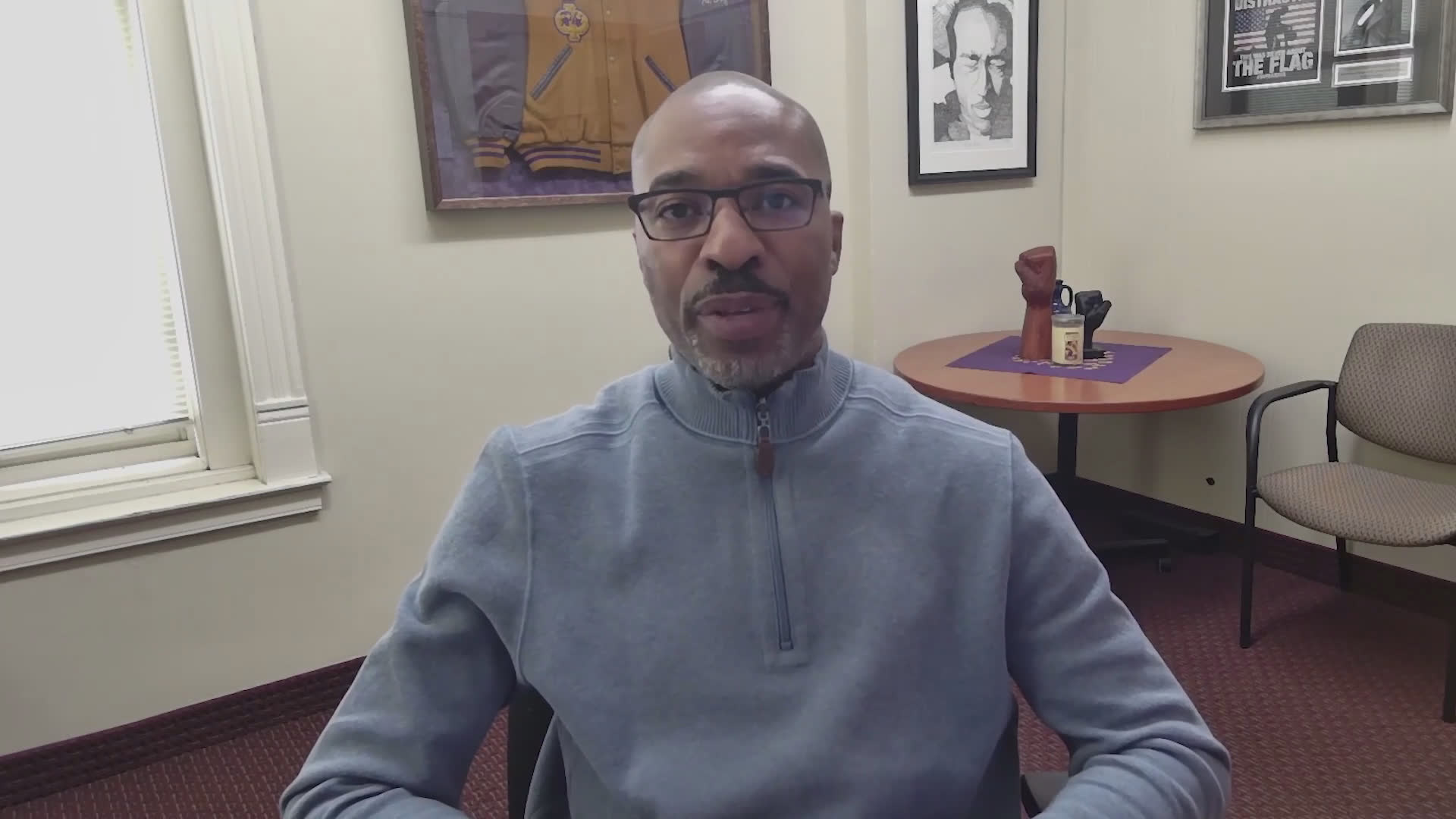
3 easy steps to help you understand and move beyond intimidation caused by difference.
Doctor David: Difference represents the unfamiliar, the uncomfortable and the unknown. He offers three easy steps that can help us move beyond being intimidated by difference. The final step is to confront our own biases, which we all have.
Hi, I'm Doctor David. Why is difference intimidating? Difference represents the unfamiliar, the uncomfortable and the unknown. Which is to say, difference is all of the things that we've had little to no connection with, interaction with, or transactions. This can be related to race, gender, age, socioeconomic status, lifestyle or even communication practices. So when we encounter difference, what we actually are encountering is a rigid understanding of our own self based upon our identity, our conditioning, our experience and our expectations.
This reality brings us face to face with vulnerability. Vulnerability not just in the sense of exploring who we are and what we do, but vulnerability in the sense of engaging the unfamiliar, the uncomfortable and the unknown in a manner that can inform and influence who we are and what we do. Which is why difference is intimidating. I'd like to offer three easy steps that can help us move beyond being intimidated by difference. The first step is coming to grips with our own cycle of social debacing, which is to say really wrestling with the blueprint of who we are from an identity standpoint.
What has and continues to reinforce that identity? Understanding. And then what are the experiences and expectations that result in that identity? Understanding. The second step is challenging our comfort zones. Really asking ourselves why are things more easily engaged than others? What does this lead to? And more importantly, what does it take away from? I can guarantee you that more often times than not, as you challenge your comfort zone, youll start to see that they are more connected to unconscious patterns than conscious practices.
And the final step is to confront our own biases, which we all have. Biases in and of themselves are not bad or negative. Its what our biases cause us to do that can be problematic and troublesome. So as you attempt to move beyond being intimidated by difference, I hope these three easy steps can be a reflective and revealing startup.
Reactions and comments are for members. Joining is free and takes a minute.