Join us for the final episode in our empowering three-part series on boundary setting. This segment focuses on 'ultimate boundaries,' the critical lines we draw in the most challenging situations. In this video, Evan, our expert mental health and addiction therapist, addresses the complexities of dealing with individuals who persistently violate our personal boundaries. He'll provide insights and strategies for navigating these complex dynamics and helping to reset the relationship. This session is crucial for anyone facing recurrent boundary issues and seeking to establish a more respectful and healthy interpersonal environment. Discover how to assert your ultimate boundaries and transform your relationships for the better.
Boundaries are the primary tool we have for keeping our relationships healthy. It is our responsibility to set boundaries in our relationships based on our values. Here are some rules for setting ultimate boundaries.
Just like a recipe has ingredients, so does effective ultimate boundary settings. In this situation, we're going to go through these seven different elements. You may combine all of these together with ultimate boundary setting.
Boundaries are the primary tool we have for keeping our relationships healthy. It is our responsibility to set boundaries in our relationships based on our values and what we believe is healthy for us. So this is our third and final video on setting boundaries. And today I'm going to outline the last step we take. That if we've tried every other method of setting a healthy tone for a relationship, if others continue to break our boundaries to cross those lines, we have one tool left. And I call that ultimate boundary setting.
So if you remember, the first types of boundaries that we start with are frontline boundaries. It's setting the stage, telling people what our expectations are. And if they start stepping on those lines, we remind them, or give them a final reminder about what our expectations are and how we need to be treated, or what we need from the other person. So the reason why we don't just jump to ultimate boundaries and we try those more gentle methods first is we're trying to preserve the relationship, to keep things positive.
But sometimes you run out of options, and that's where ultimate boundaries come in. The reason I advocate for ultimate boundaries to be at the end is we have all these other tools prior. But if those tools don't work with frontline boundary setting, well, the situation may be a little bit more dire and more delicate. It's a good chance that by conveying the consequences of our ultimate boundaries, it's going to prompt some resistance from the other person. And that's why when we set ultimate boundaries, we want to make sure we do it right.
And so I came up with some rules for setting ultimate boundaries, and here they are. Rule number one of ultimate boundary setting is do not set a boundary that you do not plan to hold. Do not make it an empty threat, because if you do that and they break the boundary and you do not provide the consequence, it's going to really break down the relationship dynamic and they're going to continue to cross that line, making the situation worse than it was before. So when setting the boundary, make sure you're ready to keep it.
Rule number two is that just like our goals, it's important for our boundaries to be smart. And you may know that acronym when it comes to goal setting, meaning that our goals, or in this case, the boundaries the asks we have of other people should be specific, measurable, achievable, relevant and time bound. So therefore, we cannot be vague. It needs to be very clear of what our expectations are. And following those guidelines is a very good way of doing it. Rule number three is that we need to continue using effective and mindful communication.
We may be frustrated, but we can't let it show. We need to remain empathetic, be active listeners. We cannot let that anger and frustration seep through and prompt more resistance in the other person. Rule number four is we have to be willing to accept any decision they make. After we set the boundary, we let them know what the consequences are going to be, but they may try to continue to push to cross those lines. And we have to be ready to give those consequences, even though we may not want to.
But it's important to look ahead to know what am I going to do if they follow the boundary, but what am I going to do if they don't? Am I prepared? Am I willing to accept what comes next? And rule number five is not only must we be emotionally safe, we have to be physically safe as well. There are some situations that are so toxic, they could actually be dangerous, that when we set ultimate boundaries, that could set them off. These are a powerful tool that could really change the relationship dynamic.
So we always have to be mindful of our safety, whether that be setting these boundaries in public, letting other people know where we're going, having a contingency plan. Let's say if you're getting out of a toxic relationship, but always put safety as your number one priority. So now that we've laid the foundation with the rules, let's go ahead and use the sample situation where you're working with your friend and you are now the team leader, and they continue to break the professional and personal boundaries you have.
So just like a recipe has ingredients, so does effective ultimate boundary settings. So in this situation, we're going to go through these seven different elements. That makes for good ultimate boundary setting in this situation. So I'm going to break down each element of ultimate boundary setting separately. But you may combine all of these together with ultimate boundary setting. You're essentially giving them a final message. It's less of a back and forth. You are just sharing with them where you are at and what things are going to look like moving forward.
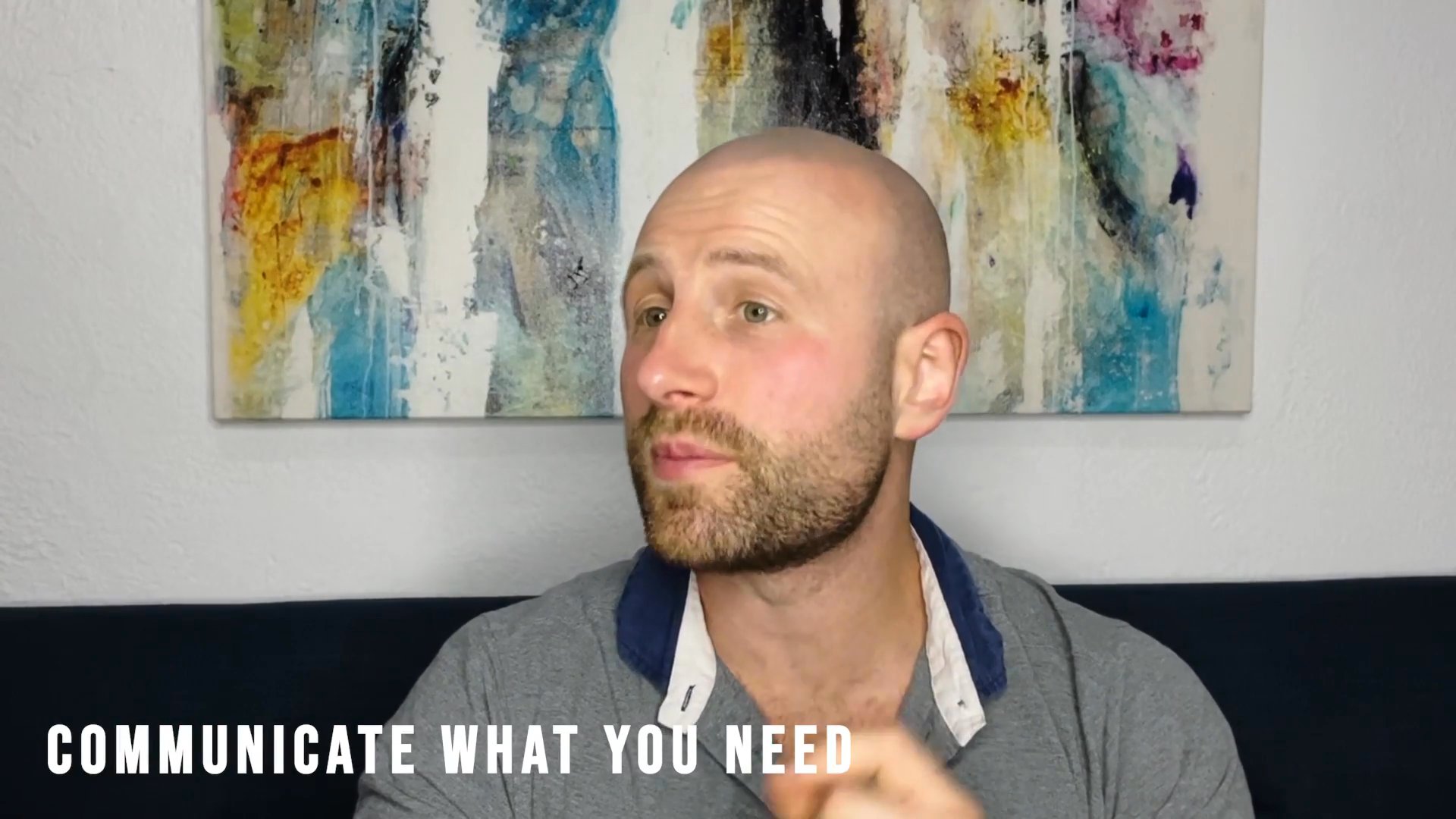
So the first element, as we share our perspective, for example, Stan, this recurring pattern of crossing work and professional boundaries has really had a negative impact on our relationship. I'm afraid if something doesn't change, it can really have a negative impact on us both. Next, we communicate what we need moving forward. As your boss and friend, I need you to maintain a professional relationship that requires being on time and consistent performance, as well as keeping our personal matters out of work.
Next, we convey the consequences of their actions if they continue to violate our ultimate boundaries. If this trend continues, I have no choice but to enact the same consequences I would for anyone else on the team, including write ups or even suspensions. Next. We convey our hopes and express good faith. For example, Stan, we've been good friends for quite a while and navigated rough waters. I trust you and I can get past this too. Next. I like to provide options, typically both being good and healthy options for them to choose from.
For example. So would you like to write up a new plan around following these expectations together, or do you feel confident you could turn this around on your own? So I don't want you to get overwhelmed with these seven elements. And sometimes when you set these boundaries, you may choose to have some or all of them. But I think it's really important, especially when setting these ultimate boundaries, to be sure you're doing it in a mindful and thought out way, whether it's having that conversation with them in person.
And sometimes it could be helpful to write it out to give you some time to look it over and make sure you're saying the right words. Either way, it's really important to follow those rules and include as many of those elements as possible. So in wrapping up this series on setting boundaries, we need to remember that in the intricate dance of our interpersonal relationships, our frontline boundaries serve as these preventative measures. They set the stage for our expectations of the relationship.
Yet when these boundaries are consistently tested or even broken, that's when we go into ultimate boundary setting, where these are our steadfast limits that we hold on to tight. Remember, all of these types of boundaries work in tandem, whether it's the internal boundaries that set our values, but also having this balance of flexibility and firmness to really set the stage for healthy relationships.
Reactions and comments are for members. Joining is free and takes a minute.