We unconsciously make assumptions about people based on their looks, background, and personalities. These can be inaccurate, cause unconscious bias toward others, and put up walls to keep you from truly knowing other people.
Family doctor Carey: I am so humbled after going on this mission trip last week. He says he assumed these women were well fed and well off because they were overweight. Carey: How many assumptions am I making about people because of the way they look?
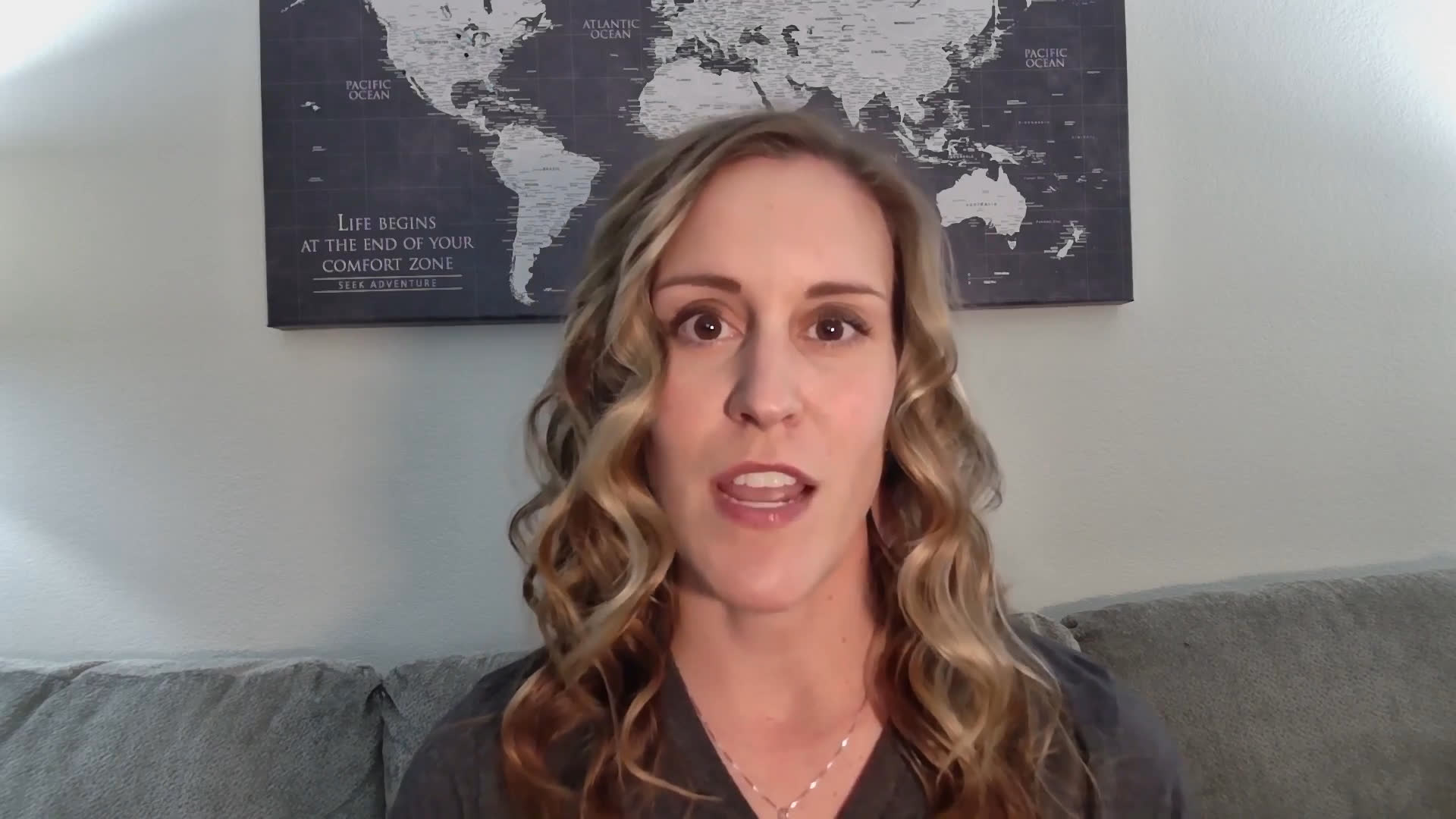
Hey, Cadre. Family doctor Carey here. I am so humbled after going on this mission trip last week, and I just want to share a little bit about what that means to me to be humbled. I have gone on five mission trips. Three of them have been to Haiti. One was in Turks and Caicos when we couldn't go to Haiti. And this one was in the Dominican Republic. And although the dominican and Turks and Caicos have pretty severe poverty, they're nothing compared to Haiti. And my heart is. Definitely goes out to Haiti, but there's still pretty extreme poverty in these other areas, especially on these islands, where there's, you know, great tourists draw to certain areas and resorts.
But beyond that, beyond those resort walls, is pretty severe poverty. And I just want to share a couple of things that I experienced on this trip. First of all, I assumed these women were well fed and well off because they were overweight. And I'll just be real with you. That is the first thought that came into my head of, like, they're not starving from hunger because they're overweight. And I've seen some severe malnutrition in Haiti. And these kids who have these distended bellies full of worms, and they have rickets because they don't get enough vitamins.
And, like, just things that we don't see in America because we just don't struggle with the malnutrition to the degree that certain areas like Haiti does. And so I've seen just skin and bones, like Holocaust victims kind of people. So I looked at these women that came to our event, and many of them were overweight. And so I assumed that they were well fed. And little did I think, you know, here's. I have, like, a healthcare background here, but there are other ways you can become overweight by having other types of diseases.
And so it just didn't dawn on me that they were struggling with hunger because they looked well nourished, because I've seen people in various areas of Haiti, and the ones that live closer to Port au Prince or that live in the more, you know, affluent neighborhoods definitely don't struggle with the same malnutrition as some of the mountainous towns. So I had this assumption, which was radically not correct. And I just find that interesting, that, like, I make these assumptions in my head. I wasn't even consciously aware of it until it just struck me when I saw two of the women at this event we hosted.
And there were about twelve women there. These are pastors wives packing away their food that we gave them for lunch. So that they could bring it home to their families and their kids. And I just thought, oh, my gosh, how presumptuous of me to assume that they're not hungry because they don't look hungry, because they don't look malnourished. And two, to assume they don't struggle with something just because of the way they look. And I thought, oh, my gosh, what a life lesson for me to learn that I can look at somebody and presume they struggle with something or don't struggle with something because of the way they look.
I felt like I just got like a smack on my face wake up call of, like, how many assumptions am I making about people because of the way they look, because they don't have pain on their face. I assume they're not in pain because they're experiencing joy and laughter. So I experienced, they don't have any hardships in life. And I make these assumptions about people not out of malicious intent, but just because that's where my brain goes and how incorrect I can be in those moments. And here's another perfect example.
One of the women who serves at the mission organization I went to, she's haitian, and she lives now in the Dominican Republic since they've had to relocate the mission. And she just is the most joyful, fun loving person in the world. And I just looked at her, how joyfully she was serving all of us missionaries and serving everybody that came in contact with her and just how much joy she had. And I thought, wow, she has so much joy in her life. Like, I wonder what it must be like to be like that.
And then later on that evening, that belief was completely shattered when she opened up to us about the fact that her husband just left her and that she's been really, really struggling emotionally. And she sobbed and sobbed. And to the point where all of us sitting around her, all of us women were sobbing, too. We were just weeping for the heartache that she is experiencing right now of thinking that she did something wrong to make her husband want to leave. And just that she feels like the joy that she carries has just been sucked out of her, that she musters up every ounce of strength she has to find joy and put a smile on her face.
And I thought, how? How did I miss that? How did I miss that she's struggling emotionally and that she just really needs somebody to give her a hug because I made assumptions again about something somebody's experiencing in life. And I just, I thought, oh, my gosh, I can't believe how many times do a day. Do I do this? Do I assume something about someone because of the way they look, because they're putting a smile on their face when deep down they are so hurting, when they have so much hurt in their hearts, when their belly is aching with hunger, and yet they don't look like it.
So I would encourage you to use my teaching opportunities here. These lessons I learned. And try not to make these same mistakes that I did because I can tell you that I've come back from this trip with a whole different outlook on life. And I've been on, now, five mission trips, and I didn't have this life lesson on the other ones. So I think about, like, I've had some pretty big aha. Moments and life lessons on my mission trips, but I haven't had this one. And I just thank God for the growth that I have in these experiences, and then I can share them with you so that you don't make these same assumptions.
And I'm not saying to go around and assume that everybody's hurting and everybody's hungry, but don't make assumptions at all. Just look at someone and at face value, really look them in the eyes and ask them, how are you doing? Like, really, how are you doing? I actually want to know so that I can be here with you. Because one of the best things we did for that woman in her grieving process right now was just sit there with her and cry with her. It didn't matter what we said to her. The words didn't really matter.
It was the fact that we were just there with her and that we could just be there with her and these women that were hungry. It was enough for us to just give them another plate of food to take home and encourage them to take a bite because they needed to also be nourished and sustained to care for their families. So sometimes it doesn't look like heroic things that you can do for other people besides just starting off with not making assumptions about what they struggle with in life or what they don't struggle with in life, not putting them up on a pedestal and assuming that they're all fine and dandy because they have a smile on their face, not judging them is a big one.
And just meeting them where they're at because that's really all we can ask for in life is for people to just meet us where we're at. So I hope you found this inspiring, and thank you for listening to me share my vulnerability with you. God bless, guys.
Reactions and comments are for members. Joining is free and takes a minute.