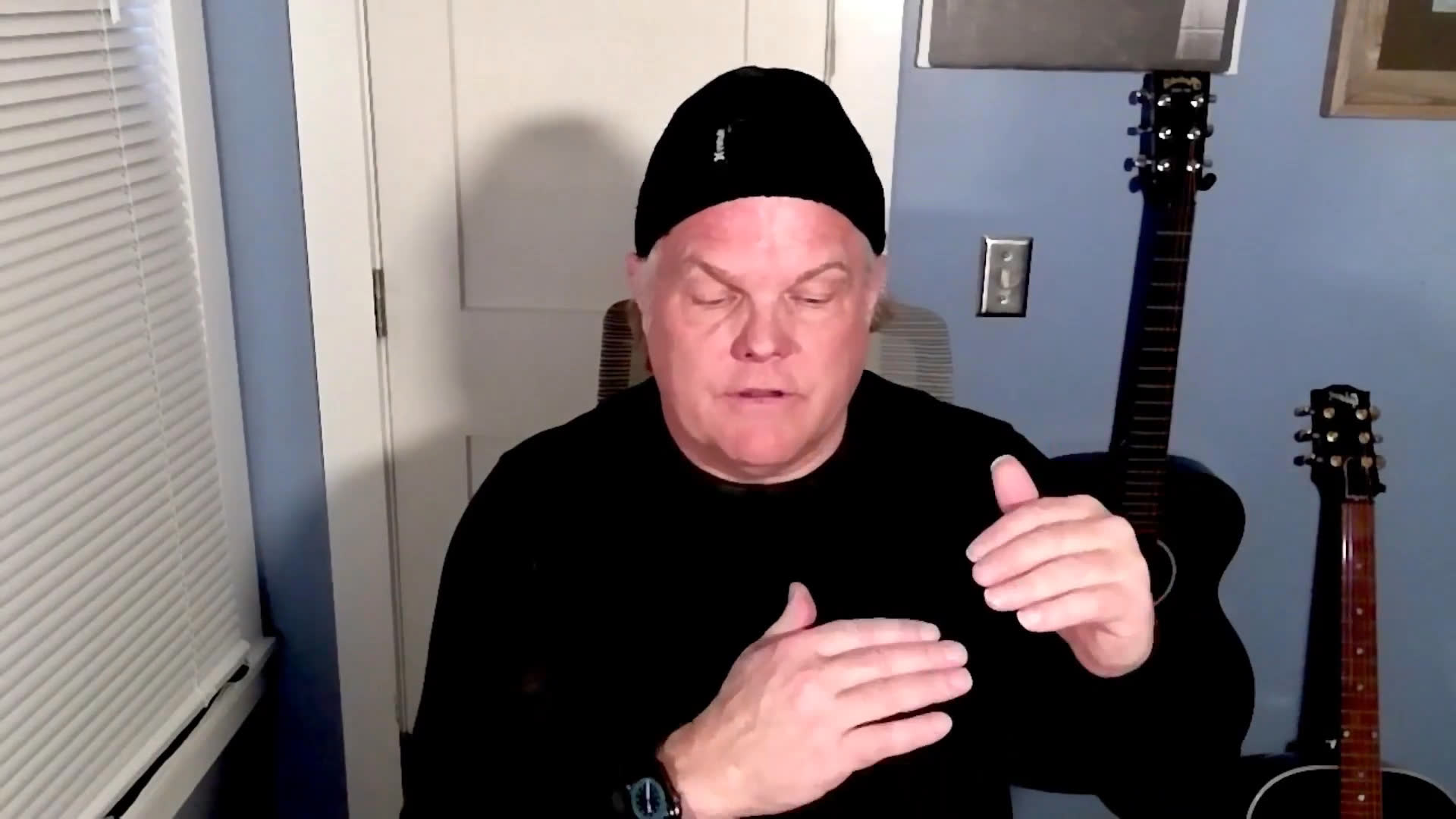
Chris discusses moving from primary to secondary treatment/care, what it means and how to make that transition with the people around you.
Chris Edrington: People are often leaving primary treatment centers, coming into the community to live in sober living or some other version of structured care. What do we build into your routine, where you live, what you do to increase the likelihood that you'll stay sober?
Hi guys. Chris Edrington again today I'm going to talk about something very specific in terms of the move from primary care or acute level of care, treatment, primary, whatever you want to call it, to recovery residents or a secondary level of care or community based level of care. So in my world, people are often leaving primary treatment centers, coming into the community to live in sober living or some other version of structured care. And I'm going to be talking today to some treatment professionals at a couple of different treatment centers actually in North Carolina.
So what I want to talk about today is what's the context of that conversation? The parents are involved, the primary counselor is involved, and my team is involved at the sober living level, all trying to put together a plan for this person who's leaving treatment. And there are a lot of factors that could influence what that person is going to do next. How many times they've been to treatment, how acute the consequences were. Were there a lot of crashed cars in jail and craziness and lots of drama.
Tends to get a higher level recommendation of care, especially if it's your 2nd, 3rd, 4th time going to treatment. If it's your first time, there tends to be, without that information or without that history, there tends to be sometimes a recommendation that is somewhat lighter or easier. This stuff gets a little tricky because I really think that it doesn't matter how many times you've been to treatment or how acute the thing is. I mean, the history is, what matters is what are you going to do now?
And everybody sort of comes to a level playing field once you hit the community. Doesn't really matter if you've been to treatment multiple times before, the prescription is still the same, the what do I do now? Is still the same, and the what do I do now? List of things you could do, can do, can afford to do, should do, recommended to do. It gets, gets all over the map. So I think what I'd like to focus on is the primary things that everyone should do. So let's begin with where are you going to live?
At home with your kids and your family, your husband or wife. You're going to live in a sober house with ten other young men. You're going to live in a sober house with women and children. Whatever the structure is. What we liked, or what I like to talk about at this level, leaving treatment is how do we increase the likelihood that you're going to stay sober? What do we build into your routine, where you live, what you do to increase the likelihood? It's a lot more likely that you're going to jump into the recovery sort of current, so to speak, in the community where you live, if you put a lot of effort into that, if you go to meetings in Alcoholics Anonymous, if you show up at your outpatient clinic, if you do the things your counselor recommended that you do, if you are an active participant in all of those, likelihood goes up.
So where you live has a lot of influence on how active you might be, because if you live by yourself, you could be in a situation where it's all on you. All of the stuff you need to do, you need to be self motivated and organized and on top of it and interested, right? Who doesn't, who does anything they're really not interested in. It's not easy. So if you live with other people who are going through the same thing and there's somewhat of a community force behind you and some unity in that group of people and some support, oh, so much easier to do.
So I recommend to a lot of families that if the goal is this deep engagement in a functioning routine in the sober community, what's my best case scenario for getting that? What choices can I make that might give me that higher likelihood? What kind of job do I have? My car? What city am I going to live in? Am I going to go back to the town I used to live in? Am I going to go to maybe a new place? All of those discussions I'm going to have today with those treatment professionals so that I can talk to them in terms, I can give them options for their clients leaving treatment that really give you the best likelihood, the best chance we get, the highest likelihood, the best chance.
So if this was a different kind of disease, and I said to you, look, these are the things you need to do to stay healthy, you probably do most of them. In addiction, it gets very, very difficult sometimes. I've heard it said that it's the only disease you have to convince people that they have, because the conversation is about a lot of stuff and the process is slow and the process is a lot of work, I think, to make it more palatable, to make it easier, to make it, you know, people like the path of least resistance.
So my sort of expertise, if you will, is about creating that atmosphere, that path, and that plan to get you to long term sobriety. But really at least just to get you to see the value in these things that we do in early sobriety, to get to long term sobriety. Because I really believe that once you see that value and once it starts to pay itself back to you. You won't leave it. And if you relapse, you'll probably come back. So that's kind of the context of the conversation I'm going to have with these treatment centers today.
Specifically, we'll talk about services and what the path would be for this particular individual that they might send. But I think for purposes of this video, it's really important that we understand it doesn't matter how many times you've been to treatment, how old you are, what your drug of choice was, how ugly the consequences got, all of the people, all of the people that I have helped or been part of in my own experience in the first couple of years of sobriety, after a certain point, none of that matters because this is really about going to get a new life.
It's about having a life. It's not about just not using anymore. So we're focused on likelihood, best case scenarios, what makes the most sense, what can I do? What can I afford? How can I do? Where can I live? How can I build the routine and early sobriety that's going to serve me the best? And that's what I'll have today in my conversation with the treatment centers, and we'll try to help some of their people going forward. Thanks for your time.
Reactions and comments are for members. Joining is free and takes a minute.