Join Evan for an essential conversation about how to effectively discuss mental health with children. Learn about age-appropriate strategies, understanding their perspective, and fostering an environment of openness and support. This video is a must-watch for parents, teachers, or anyone involved in the life of a child.
Evan: Our mental health is as important as our physical health. Here are six tips for having conversations with your kids to normalize mental health. By initiating these conversations early, we can equip kids with the knowledge and skills to navigate complex emotions.
It's becoming more and more apparent that our mental health is as important as our physical health. But as a parent, how do you talk to your kids about mental health so that if they need help in the future, they'll open up to you or someone else? I'm Evan, your resident mental health and addiction therapist, and these are my six tips for having conversations with your kids to normalize mental health. The first question is when to have that conversation and how old. Well, I believe that the longer you wait, the more it stigmatizes mental health.
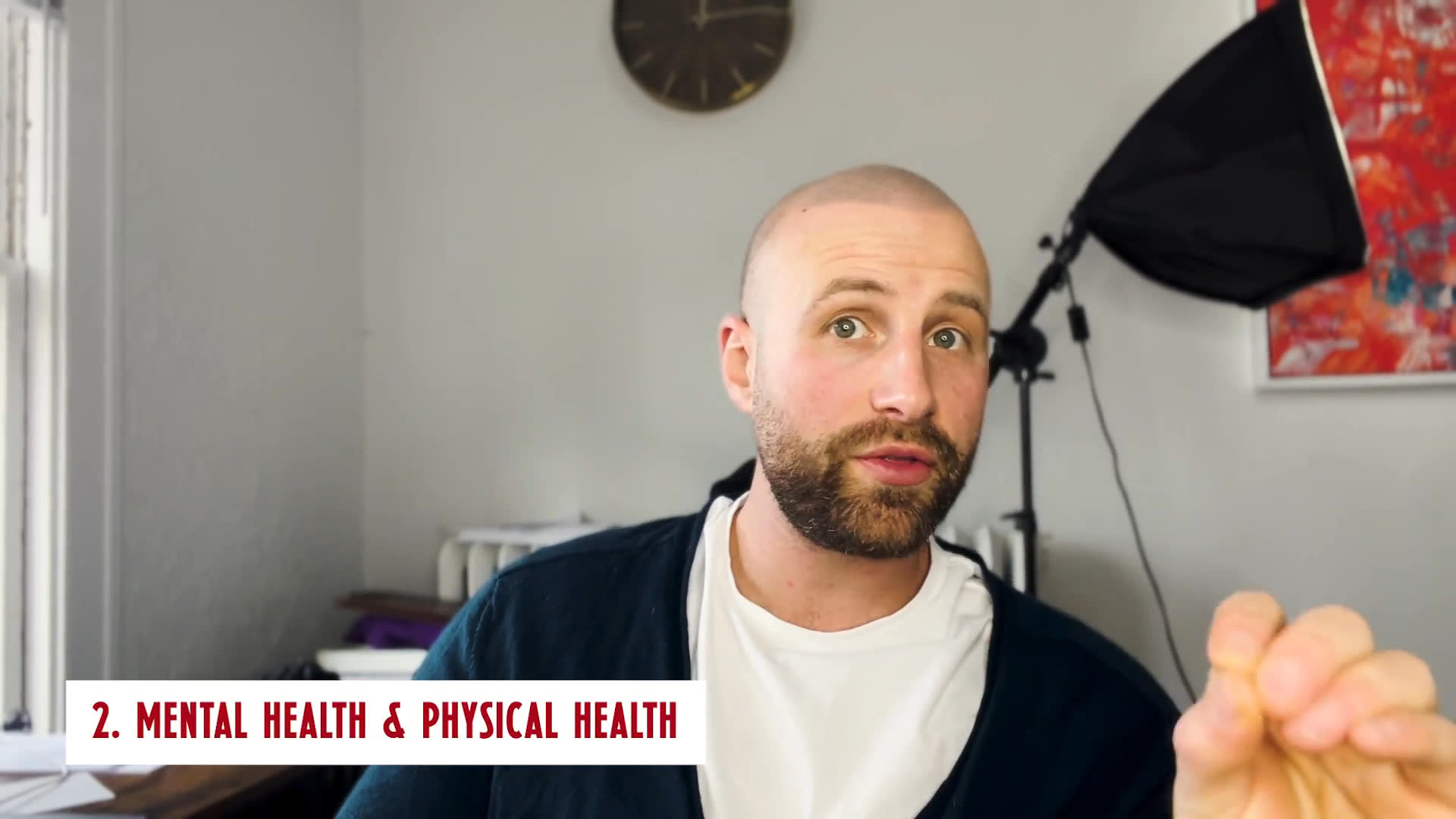
We wouldn't wait very long to talk about the importance of our physical health, so I believe you can have these conversations early. Just use your intuition. Also, we have to choose the right situation sometime that's comfortable when you're feeling positive, when you're in a place where you have a good time to connect, perhaps using open ended questions, just asking your child how they're feeling and go from there. Number two is using that comparison between mental health and physical health to help understand and normalize the topics around mental health.
For example, we teach kids that when they feel sick, when they have a cold or the flu or a hurt leg, they go to the doctor, even for a checkup. However, we also feel overwhelming emotions that can hurt, and when that happens, it's okay to ask for help, to go see a professional for that as well. Number three is normalizing the power of conversations, for example, asking for help and support, and how that is not a sign of weakness. That talking to others about our problems could be really healing and make us feel better overall.
Number four is making sure to normalize the fact that everybody has struggles at some point in their life. You can teach them about the different famous folks, celebrities that have struggled with mental health and addiction, that it's normal that you at certain times have had struggles and open up with them about it as well, so they don't have to feel so isolated and alone when they do inevitably face struggles. Number five is reinforcing your open door policy, that they could come talk to you anytime they're struggling with their emotions or mental health in general, that you're going to listen without judgment, and not all kids are going to feel comfortable going to their parents.
Everyone has a different relationship, and that's why you can inform them of other avenues where they can ask for support, like a school counselor or another family member. And lastly, number six is reinforcing. Part of that open door policy is if they are ever in a state of crisis or they feel unsafe, they can come to you without judgment, and you will get them the help they need. Your kids just need to know that you love them and you're willing to do anything for them to keep safe and live a happy, healthy life.
By initiating these conversations early, we can equip our kids with the knowledge and skills to navigate complex emotions so that when they grow older, they can be resilient and emotionally healthy adults.
Reactions and comments are for members. Joining is free and takes a minute.