Yesterday, my car decided not to start when I was trying to get to my office to see clients. Today, same thing happened again, so I had to get a new battery. Since the pandemic, we've been able to transition to doing video sessions for therapy.
A lot of people don't speak up about their pain because they feel like they don't want to put that burden on someone else. When we express the pain that we're experiencing, it can simply just be, I'm hurting, and I need connection. Who are you to decide what power do we have to decide for someone else?
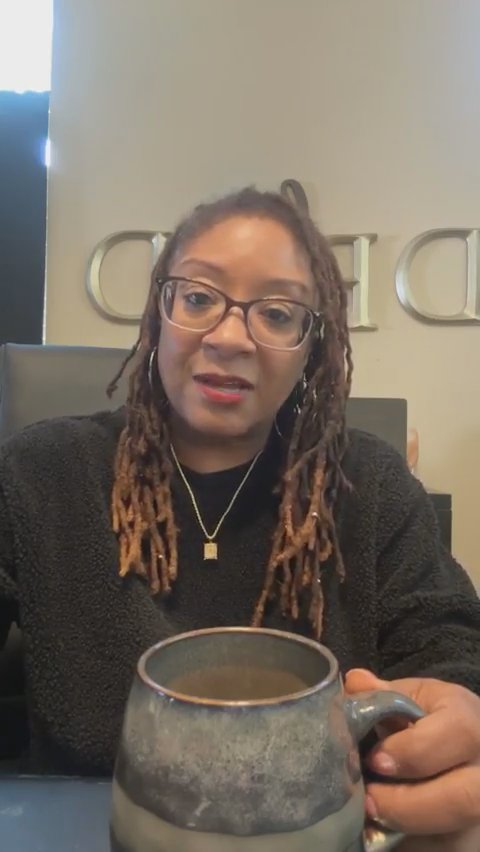
Hello, everyone. I'm gonna give myself a minute and let y'all have a minute to join me. It has been a day, so let me just tell y'all. Yesterday, my car decided not to start when I was trying to get to my office to see clients, and I was stuck in my driveway. And so thank God for the pandemic, because ever since the pandemic, we've been able to transition to doing video sessions for therapy. And so I was easily able to transition my clients to having video sessions today. Hello. So that was yesterday and today.
So same thing happened again today. I was trying to get to my office, and my car wouldn't start, so I had to get a new battery. And come to find out, the battery I had was the. The same battery I had when I bought the car in 2018. So never changed it. But that's okay. It lived a full life, for sure. But today I want to talk about suffering and silence and the reason why this is coming up for me. Several reasons. One is I have a few clients that seem to struggle with this, of sharing their pain with others.
But I also. I just been in this place of reflection lately, and the real doctor. Leslie. Hello there. But the last week or so, I have come across some old journals of mine from college. So that's 20 years ago. More than that, really. A little over 20 years. And reading some of the entries, I saw a part of myself that I forgot about. And there were parts of myself, and there were experiences that I had that after reading them, I totally forgot about them, by the way. But when I read them, I recognized.
I never told anyone about that. And I wondered why. So I know some of the experiences I had. You know, I was in a place at that time. I was, you know, between the ages of 18 to 21 in my undergrad years, and I didn't know how to talk about it. I didn't know who to talk to about it. And I just dealt with the situations on my own. Lots of prayer, lots of tears. But I remember even writing. And what I read was, you know, I'm in so much pain, and I don't know who to talk to. And there have been some clients lately that have shared similar experiences of being in pain.
I don't know what the situation is exactly, because they don't always tell me. Sometimes they just randomly express the pain that they're in and why. Or sometimes I have to help them find the why. Why are they in this pain? And thinking about their experiences of suffering and silence. You know, I can imagine what that feels like. I've been there myself, where you may be in a place where you can't tell someone your truth because telling your truth might have them see you in a different light. Or if you tell your truth, that could ruin your life.
It could change everything for you and those who are connected to you. And so you just suffer in silence. And I always challenge my clients, and I challenge myself now to consider, what power do we have to decide for someone else if they're able to manage our pain? A lot of people don't speak up about their pain because they feel like, well, I don't want to put that burden on someone else. I don't want them to have to hurt like I'm hurting. And so who are you to say that your pain is too much for someone else?
So if you think about your friendships and the connections you have, whether it's friends, family, a romantic partner, coworkers, who are you to decide what they can and can't handle about your life? And who are you to decide that they shouldn't handle that for you? So if we have close friends, I can just imagine, you know, if you are a friend to someone, if your friend was in pain and they were hurting about whatever situation, you would want to share that or hear that from them, hear about their experience, because you would probably want to help them, or you would probably at least want to just support them and know what's going on.
So you know how to interact with them. And so when we choose not to do that with others, so when we are in pain and we don't express that because we feel like it's going to be a burden to someone else and they can't handle it, we are robbing our friends and family and loved ones of the opportunity to support us, and we are robbing them of the ability and opportunities to connect with us. You know, there's this thing about, you know, trauma bonding, which I'm not going to get into, but it doesn't have to be about trauma bonding.
When we express the pain that we're experiencing, it can simply just be, I'm hurting, and I need connection. And allowing someone in our life to say, I see your pain. I can feel your pain, too. Let me be there for you. That is empathy, allowing someone to show up for you, expressing that they care about you, expressing, you know, they may not understand exactly what you're going through, but they can feel your pain, too. So if that's the situation you're in now, I just want to encourage you not to be worried about how your pain is going to affect someone else and allow your loved ones to connect with you.
And I also want to speak from the single mom experience. So I am a single mom, and I work with a lot of single moms. And even in the black community, there's this idea of the strong black woman, and it's a whole identity. You know, the strong black woman wants to have this Persona that she's got it all together. She can't express how she's hurting. She has to make it look like no matter what her struggle is, she's going to get through it. And that is good and bad for different reasons. But the negative part of that is the strong black woman who is suffering, is suffering in silence.
And a lot of times, and this doesn't just only apply to the black woman or the single mom, but people in general who are suffering in silence, they often are detached and disconnected. And if you know anything about suicide, or if you've had someone in your life who has thought about suicide or even yourself, typically someone who jumps to the act of wanting to end their life and they actually go through with it, or they make an attempt to do that, it's because they feel disconnected. They may have all the people in their lives that care about them and all these connections that we see on the outside, but they feel disconnected.
And so when we are suffering in silence, we are putting ourselves at risk of having some really dark thoughts that no one is going to be able to help us because they don't know what's going on. And I think that it's dangerous. It's dangerous. It's scary. And I don't always know how to help someone in that situation when they are at that point of wanting to end their life. That takes some skill. I'll just be honest. It takes a lot of skill. But if we can allow ourselves to connect with others, when we first start to experience pain, when we start to notice that we're changing, when we start to notice, you know, maybe our heart's racing, or maybe our stomach's in a knot, or we're starting to feel tension, you know, we start to feel our body literally aching.
If we can start to just verbally express to someone, even if it's just a matter of, I'm just not feeling good. As simple as that. I don't feel good today. If they ask what's wrong and you're not ready to talk about it, just be honest. You don't have to tell the whole story at that time. You tell the story when you're ready, but the least you can do is just say, I'm just not feeling well, and I'm not ready to talk about it, but when I'm ready, I will. And allow some space for people to connect with you.
And if you're the person on the other end where you have someone that you care about, who you can see is physically in pain, who is in emotional pain, and you think they're suffering in silence, I wanna encourage you to think about how can you sit there and be there and support them when they're ready? And as much as that might hurt you to wait on that opportunity, just think about the pain that they're in and what they need from you. And right now, all they need is someone who's just going to be there when they're ready to speak their mind and share their story.
So I just want to thank you guys for listening. I hope you're enjoying your day. I am still trying to figure out the timing of my lives, and I think my cap is about ten to 15 minutes. But if you guys have any comments that you would like to share, please do. This is a really relevant topic, considering that, you know, especially in America, but all around the world right now, there are so many people suffering that are thinking about suicide, that are thinking about harming themselves in different ways or harming someone else.
And if all we have to do is just share our story and connect, you know, I thank Cadre for even allowing us to have this space and this time to connect with each other. So I want to encourage you, like any live that you can attend. I heard one this morning, I can't remember the lady's name, so please forgive me, but it was talking about connection and connecting with our community. And I'll just add that, too. Sometimes we may not want to connect in, like, one on one relationships, but we might feel safer when there's a group.
And sometimes you can share your experience with people who are also going through the same thing. Or if you're just a part of a group where you know that the group sees you and you feel connected to a larger amount of people, and that feels safe just to be around them, where you don't have to exactly share what you're going through, but you can still feel connection. I think that's important, and I just want to challenge you guys to do that. So thank you for listening, and I hope you enjoy my coffee chat.
Reactions and comments are for members. Joining is free and takes a minute.