Signs you need couple’s counseling if anger is impacting your relationship.
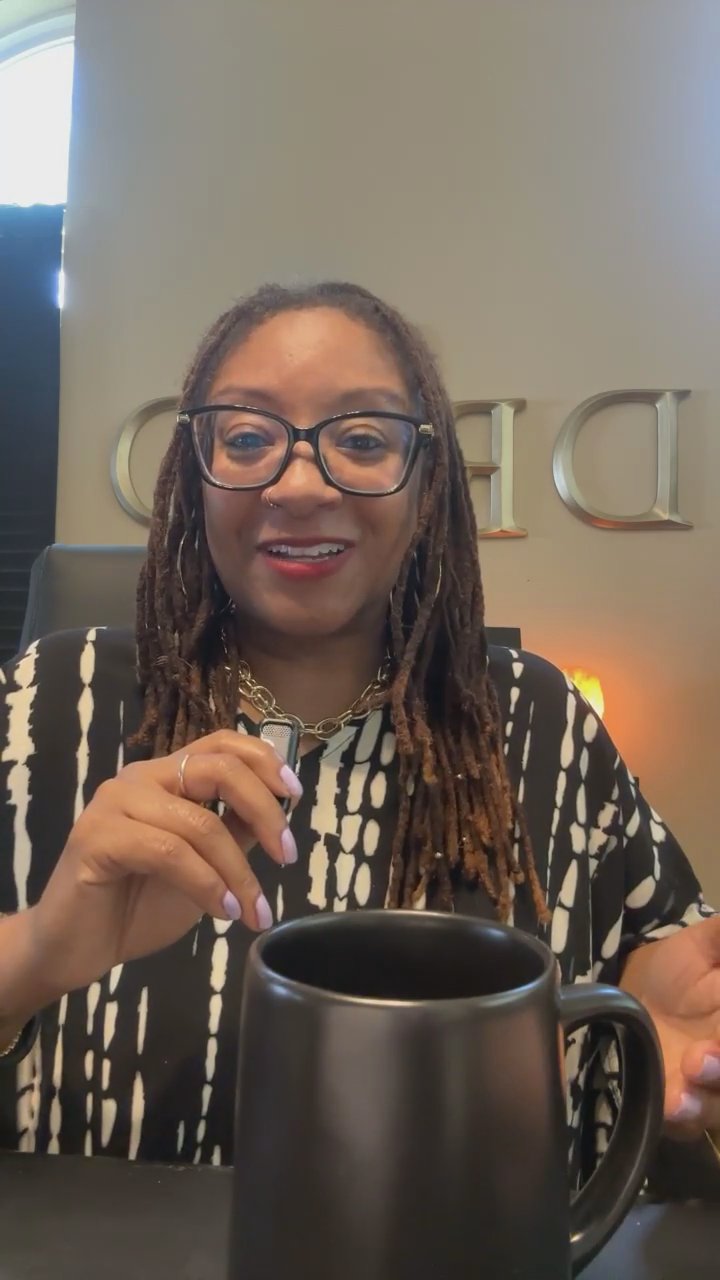
Hi, guys. I spilled my coffee. Thankfully, it wasn't, like, super hot, but still, I have barely anything left to drink. I'll make me another cup. So I hope you guys are doing good today.
There are some benefits to couples therapy if you're trying to address your anger. It creates a safe space for you and your partner to discuss what's really going on. It will give you tools for healthier communication.
If you're the recipient of your partner's anger and they are being violent, you might also want to engage in some individual therapy. Some therapists are more comfortable than others with anger. Whether that's individual or in couples therapy, either way, it's going to be helpful.
Sometimes you find out in couples therapy that your relationship has to end. There are times when anger has gotten so far out of control that it just might not work. Couples therapy will provide you a safe space for healing on both sides.
Hi, guys. Guess what? So I'm getting ready for this coffee chat. Of course, I have to have my coffee, and I sit down and just look at the cup. It's halfway empty. You can barely see it because I spilled my coffee. Not fun. Thankfully, it wasn't, like, super hot, but still, I have barely anything left to drink. That's okay. I'll make me another cup. So I hope you guys are doing good today. Today is a beautiful day where I'm at in the midwest, in the St. Louis region. It's really windy, though, but I enjoy this time of year.
It feels like freshness, and it's not too hot because we get a lot of humidity in this area. But today is beautiful, and I'm loving it. Hello there. Today, I want to talk to you guys about the impact of our anger on relationships and when it gets to a point that you might need couples therapy. So I am a licensed clinical, professional counselor and relationship expert, and I work with couples. And sometimes I would say I can't actually give you percentage, but a lot of times there are couples who come to me where one partner.
Hello, everybody. They're just really struggling with their anger, and it might just be an individual issue. It might just be that they're expressing their anger towards their partner, and it's really stressful in the relationship. And so one partner might tell them, you know, I think you need therapy. Hi, everyone. So when you get that statement to you, like, you need therapy because of your anger, you know, it can throw you off. Hey, speak wonder. So I want to dive into, like, when should you get couples therapy compared to just getting individual therapy if you're struggling with your anger?
So there are a few benefits. Hi, Luke. Thanks for that shout out earlier today. Luke. There are some benefits to couples therapy if you're trying to address your anger. So I do have a list because, you know what? I can't keep all these things in my head. So I'm going to look over here for a second. But the first thing is that in couples therapy, that is created for a safe space to express your emotions. So when you're at home with your partner or just out somewhere, you might struggle to express yourself in a safe way because you don't know how your partner's gonna receive what you have to say.
And sometimes all those emotions underneath the surface of anger, they just keep building up and building up, and then they explode. Explodes into anger. And so what they see is something dangerous and scary. And if you're the partner who's on the other end, it might not ever feel safe for you to express how much that hurts you or your experience of your partner's anger. So couples therapy can be very beneficial because that therapist, if they're properly trained, will create a safe space for you and your partner to discuss what's really going on.
Again with that, it creates a safe space to have empathy. Right? A lot of times we don't think about, well, why is my partner so angry? So if you're the recipient of the anger, you might just be thinking about, what did I do wrong? What did I do to cause them to be so angry? And after you think about it for a while, you might not even find anything that you did, but it is a struggle for you to deal with your partner's anger. And so I want to shout out one of our other Cadre content creators, Claire Turner.
I just came across her video recently, but she has a series where she talks about developing empathy by understanding motivations. And if you haven't checked that out, definitely check out that series that she put out. But it's true. Like, when we are struggling with anger, we're struggling with other emotions underneath. And so if you're the recipient of your partner's anger, you might have to tap into your place of empathy for them and trying to understand, why are they so upset? What's really going on?
How can I be supportive and not join in their anger and get angry with them, or get angry in response to their anger? But how can I tap into how they're feeling so I can support them through their journey of healing? Another benefit of couples counseling, if you're dealing with anger, is that it will give you tools for healthier communication. You know, a lot of times we don't have the words to express how we're feeling, and we just express anger with actions. Maybe it's nonverbal communication that is more seen than actually what's being said.
But when you're in couples therapy, you're going to get tools not just to express yourself as an individual, but it will help you get tools to express how you feel to each other and also for the other person to learn how to listen and give you a response to what they heard. So you might hear a lot of statements. If you've ever been in couples counseling, you might have been asking, well, how does that feel? And so that is language that is used that you can pick up and use in your relationship. And you might even learn to say, if you're the person struggling with anger, I feel, blah, blah, blah, right.
Instead of just saying, you always make me, are you blaming the other person? So you'll learn not to blame and find a healthier way to communicate what's really going on with you? I think couples counseling, if you start out with learning about the history of your family. So learning family patterns in couples therapy, especially if you're going there for issues with anger management, you will learn family patterns of dysfunctional communication. So you might start to dig into, well, you know what?
I remember seeing my father get angry all the time, and he yelled at my mom, and my mom just took it. Or maybe you saw your mother, who was the yeller in the family, always yelling at the kids, yelling at her husband, yelling at all the other family members, and no one challenged her. They just accepted her for who she was. And you learned that dysfunctional pattern of communication to mean, well, that's how I'm supposed to express how I'm feeling, and that's what you do. And you may not understand why you've been doing that all these years until you get into couples therapy.
And so not only will you learn your family patterns of communication, but you'll also get to hear your partner's family communication style. So if you're the partner who is the recipient of anger, and maybe you shut down in response to your partner's anger, maybe you'll start to see patterns of your family members who are non confrontational. Or maybe you see your family has a history of being loud and you didn't like it, and so you learned. You taught yourself to stay safe by shutting down. So couples therapy is good for both sides, both the angry person and the person that's the recipient of the anger.
I will also say that couples therapy will allow your partner, if you're the recipient, it will allow you to express your pain and your experience of being on the side of your partner who's expressing their anger. The person who's angry, they have tapped into, like, I don't feel good, and I want you to know it, and I don't feel like you're seeing me or hearing me, so I'm getting louder and louder, and their voice really will overpower you. Right. So if you're the recipient of that anger, you may not get an opportunity to speak up about how that hurts or how that's impacted you or how that has made you shut down and pull away from your partner.
And so your partner in response might also get angrier because you're walking away from them. They don't realize that their anger is triggering you to shut down. So couples therapy is that safe space where you can have those healthy conversations, where you can learn some patterns of your family history of dysfunctional communication, and it also gives you a space to create a sense of empathy on both sides. Now, I will give this disclaimer. If you are struggling with anger and your anger has gotten to the point of violence, where you're expressing your anger through violent behavior, whether that's physical violence or emotional abuse or verbal abuse, couples therapy is not the place for that healing.
That is an indication that you might need to dig into individual therapy first. You can do individual and couples therapy simultaneously. But if you're struggling with violent behavior from your anger, you may want to dig into the individual therapy and tap into, you know, why is your anger getting to the point of violent behavior or verbal abuse? And when you get to a place of better understanding, and then you learn some tools on your own to express yourself in a healthy way, in a safe way, that's when you want to go back and talk to your partner and say, I think I'm ready for couples therapy.
If you're the recipient of your partner's anger and they are being violent, you might also want to engage in some individual therapy just to express how that experience has been, because it's likely that you get into couples therapy if there's still a heightened sense of anger on both sides. Maybe you're hurt because they've been hurting you, that you might lash out in session, and it's not a safe space to do that. When you're lashing out physically and verbally and really throwing verbal daggers at each other, that's not healing.
That's just causing more pain. So, again, if you have any questions about, you know, well, which direction do I go? You know, I always encourage people to talk to the therapist. Some therapists are more comfortable than others with anger. Some couples therapists will not, and they refuse to work with couples who are engaging in physical violence or verbal violence. And so you might want to check in with that therapist when you're looking for one to see what are they comfortable with. And be honest.
This is where our relationship is. It's gotten to this point where it hurts all the time. It's gotten to the point where their anger is really controlling the relationship. And I want help. And whether that's individual or in couples therapy, either way, it's going to be helpful. So who is this tuning on? Brittany is tuning in from Natcon. Oh, I wish I was there today. Thank you for tuning in. Brittany. If you guys have any other tips or if you've experienced couples therapy and you've addressed your anger, I would love to hear about your experience, because everyone goes through couples therapy and has a different experience.
And sometimes you find out in couples therapy that your relationship has to end, and that's okay. It's better that you find out in a safe space than to keep going and trying to finish, you know, trying to understand, you know, can we make this work? There are times when anger has gotten so far out of control that it just might not work. And that's okay. So couples therapy will also provide you a safe space for healing on both sides, whether you stay together or you decide to separate. I want to thank you guys for tuning in.
And make sure you get your coffee for the day. Bye.
Reactions and comments are for members. Joining is free and takes a minute.