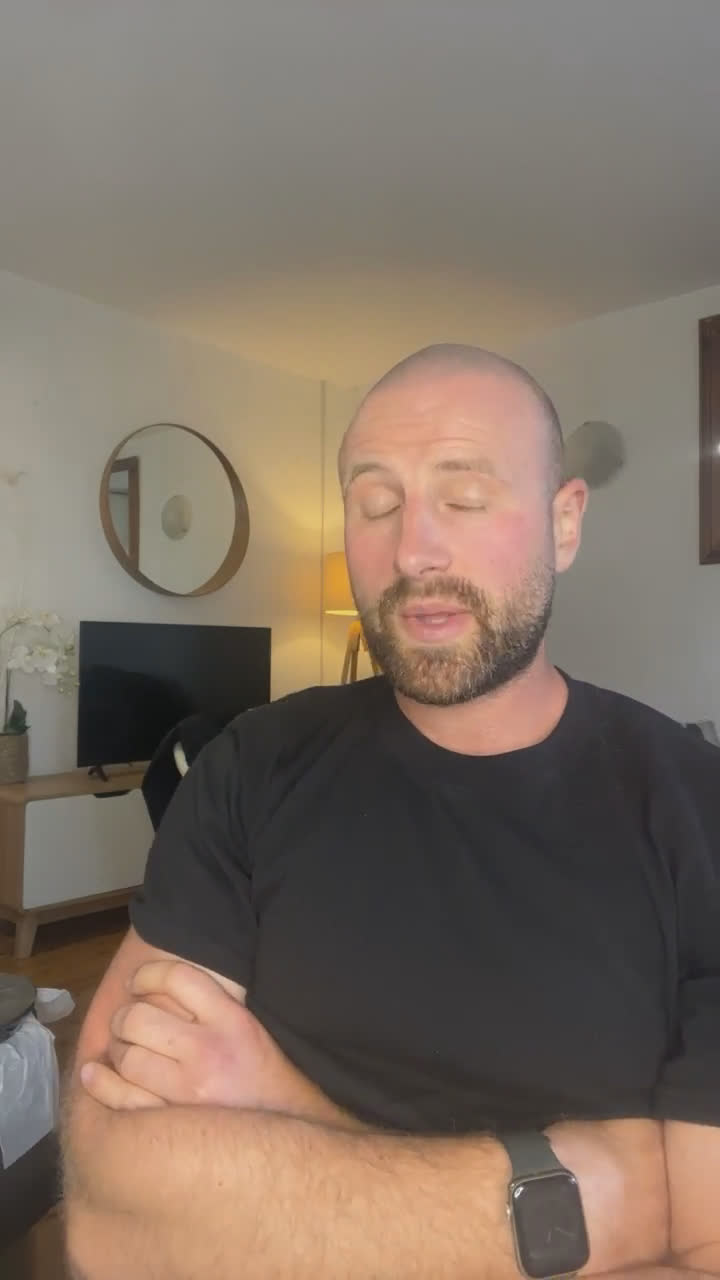
Welcome to another episode of my livestream, Mental Health Matters, where we discuss MATTERS around addiction and mental health because mental health MATTERS. Today I am sharing my 5 signs someone may have a problem with alcohol that may not be as well known and sometimes more subtle.
Evan: I'm your resident mental health and addiction therapist. I'm excited to do another live stream here today, this Sunday evening to have a little fun. Forget about the fact that tomorrow's Monday. This is your distraction.
Today we're going to be talking about drinking. And I'm going to talk about some warning signs that someone may be developing a problem for alcohol. Even if you don't necessarily drink, have a problem with alcohol, you probably know someone who might.
Alcohol addiction, even compared to some of the others, tends to be more genetic. Here are five warning signs or traits of someone more likely to develop a drinking problem.
Alcohol typically takes longer to take hold of somebody and become a severe problem. It's usually a slow burn. And that's why it's important to recognize some of these earlier signs.
One sign is looking at someone's family history. The more, you know, colloquial term alcoholics, people with severe use disorders, there are more likely someone is. There is both nature and nurture here.
Alcohol often for them, acts like a self medication, because it is a central nervous system depressant. Blackouts are typically a sign that that individual may be more susceptible to a severe use disorder down the line. Feel free at any point to share your experience.
I'll be on a trip. When did I schedule it? May 3. Don't miss those symptoms, right? Yes. Have a good week, and we'll catch you next week.
What's up, Cadre fam? Welcome to mental health matters. I'm Evan, your resident mental health and addiction therapist. I'm excited to do another live stream here today, this Sunday evening to have a little fun. Forget about the fact that tomorrow's Monday, even though I just reminded you this is your distraction, maybe you're going back. You're watching this later. So today we'll do a topic episode. This is going to be around drinking. Jules, one of my favorites. What is up? So, yes, we're going to be talking about drinking.
And this topic tends to get a lot of attention because quite a lot of people drink. Now, that doesn't mean that folks are necessarily alcoholics that would benefit from this information. But a lot of times this is interesting because you have your own relationship with alcohol, even if that relationship is not necessarily drinking, not even having one. What up, jaden? Mommy, what's up? Recovery Cafe Frogtown, local, Minnesota so, yes. So let's talk a little about drinking. And I'm going to talk about some warning signs that someone may be developing a problem for alcohol.
But not just, not just warning signs, but like, traits that someone may exhibit early on, even before they develop a substance problem. So maybe individuals who need to be a little bit more careful or you have a child or friend that's exhibiting some of these. And that's why this topic could be interesting as well. Because even if you don't necessarily drink, have a problem with alcohol, you probably know someone who might or friends, family and that sort of thing. I'm going to do a video next season on this topic, but I thought we would just do a little overview before I do the entire video.
Maybe I'll come up with a couple more. So I've already been working on these. So without further ado, let's talk about five warning signs or traits of someone more likely to develop a drinking problem. Now, one of the underlying themes of this is that alcohol addiction, even compared to some of the others, tends to be more genetic. Now, everyone's body, I would say everybody and every body is different because we process substances and experience them in a different way. And alcohol is probably one of the weirdest drugs out there, just in the way it, like, affects you, your mind, your body, a central nervous system depressant.
But just like the behavior people exhibit on it, how it, like, limits your inhibitions. We've all been too drunk. We've all seen people who are maybe every single day and just how crazy we act and how that's normalized. Anywho, that's just to say that everyone, especially the way alcohol is processed, because it's such a harsh chemical that, you know, versus, like another, like a certain pill, your body doesn't have to do as much work to process it. Whereas when you're consuming massive amounts of this liquid and pure alcohol chemical, your body is going to react different and takes a lot more work.
And that, therefore, the maybe. So maybe, I don't know if it maybe is more genetically based, but the genetics matter more when it comes to developing alcoholism. Another prerequisite topic here is that alcohol typically takes longer to take hold of somebody and become a severe problem. It's usually a slow burn. I always say it's like an anaconda slowly wrapping around versus like a lion that just gets you. But then all of a sudden, before you know it, you're like, oh, my God, I can't get out. I'm completely stuck here.
So it does take a little bit longer. And that's why it's important to recognize some of these earlier signs. So maybe you can be more mindful so that you don't let the anaconda grip too tight before you're powerless over it. So, first sign, which one should we do first? Let's start with the genetic piece. So one sign is looking at someone's family history. So traits, situations, circumstances, behaviors. In this case, we're talking more about someone's circumstances with their family tree. You look at their family tree, and the more, you know, colloquial term alcoholics, people with severe use disorders, there are more likely someone is.
Now, there is both nature and nurture here. And the nature part, the genetic predisposition of how someone's body processes alcohol and the feeling that they get from it. So if someone has more people in their family, they're more likely to have. I always say it's like a. It's a body that absorbs, that takes in alcohol, absorbs it and doesn't fight it, whereas a lot of people who don't, right, they may enjoy the feeling of alcohol, but it's like their body kind of rejects it. You still might go and do it.
It's like how most people are. But some people, it's like their body absorbs it, and it almost becomes like a heroin to them over time. And that's why the withdrawal can be so bad as you become, you know, more and more physically. A lot of physical dependence issues here. That's why often people need detox. But we'll get to that foreshadow in a minute the other is. So number two, let's talk about behavior changes. So pretty much anytime you get really drunk, your behavior is going to change, right?
So that's not abnormal. However, it's almost like a doctor Jekyll Mister Hyde effect. The personality changes drastically. Usually what I'll say is alcohol kind of magnifies your existing personality and kind of makes you a caricature of yourself. However, in this case, it may like completely alter someone's personality. They turn into Mister Hyde or misses Hyde. They get dark, they could get angry, violent, completely out of control. And it may not even take all that much. So that is a really big sign.
When you see people, those extreme personality changes, they're often getting in trouble because of it. They're very often in a blackout. That could be a sign of future severe use in the future. What's up, Jaden? So yeah. So feel free at any point to share your experience. What do you see as traits? As someone who's developing a severe use disorder, what's your experience? These are just the ones I've identified. Believe that was two. Number three foreshadowed a little bit there. Blackouts. For whatever reason, I have found that individuals who are more prone to blacking out, basically the lights are on, but no one's home.
It's like your mind is asleep, but your body is awake and in some weird autopilot. Right. You may be in the midst of that like, personality Mister Hyde change. And you may do things that are like dangerous. And those are the times you wake up. You're like, what the h*** did I do? So basically your brain, your mind is sleeping and that it's not processing new memories. So you're just kind of acting and then the next day you're like, what did I do? How much trouble am I in? Who hates me? Where's my car?
You know, it's like the movie, dude, where's my car? You know, trying to trace the steps. It's like a Scooby doo mystery of like what the h*** did I do last night? You know, like the movie the hangover where the whole movie is based around like figuring out what the h*** I did last night and getting yourself out of trouble. So blackouts. And you'll see people who like almost every time they drink have a blackout. That's typically a sign that that individual may be more susceptible to a severe use disorder down the line.
Number four is anxiety. There is a really direct correlation with folks who are prone to anxiety and alcohol use. Alcohol often for them, acts like a self medication, because it is a central nervous system depressant. And so basically, like, a central nervous system depressant, like, is what slows your body, central nervous system, your brain and spinal cord, what basically autonomically regulates your entire, like, body and brain activity. So, you know, what is it? Rest and digest, sleep, wake, I believe.
Or is that your parasympathetic, your sympathetic central nervous system? And then there's the parasympathetic, sympathetic, whatever, anywho, but anyway, it just depresses your nervous, slows everything down. And, you know, versus a stimulant, cocaine, meth speeds everything up. Your mind processes faster. You're not going to fall asleep. You have more energy. Now, alcohol is a weird one, because at first, you get this more energy. You're like, boo. You know what? It. It's like you kind of get this surge of, like, dopamine and some other chemicals.
However, as it depresses your nervous system, that's when you're like, ugh, like a zombie fall asleep. All right? So in the end of the day, it is a depressant. So, therefore, for whatever reason, it tends to be a antidote for anxiety, albeit a dysfunctional one and counterintuitive one. So, for example, alcohol has a cross tolerance with a benzodiazepine, like Xanax, lorazepam, klonopin, that kind of thing. So, meaning, if you have a tolerance for alcohol, you actually have a greater tolerance for benzo, even if you've never taken it, because they work on the exact same systems as CN's depressants, but they, like, really they target the same neurotransmitters and chemicals, therefore, cross tolerance.
So, if you take a lot of Xanax, you actually have a higher tolerance for alcohol, theoretically. And that is why the front line for alcohol withdrawal, instead of just giving you less and less alcohol, which is, like, probably not the most safe thing to do, even though sometimes people do that, is to do a benzodiazepine, a Klonopin, librium, something a little more mild that can. So you can stop drinking, but, like, taper down off the medication instead of taking, like, three shots, two shot, one shot, it's a little more medically indicated.
So that's why we do that. So that's why I believe, as well, that anxiety is a big piece. And of the last one is withdrawal symptoms. Now, folks who are more prone to severe addiction, you can say, well, chicken or egg, but folks, I have seen individuals at very young ages start to drink, like, full blown alcoholics and who actually start to have withdrawal symptoms. Because usually, like I said, it's a slow burn. It takes time to get there. Anyone has the capacity to be dependent on alcohol physically and emotionally.
However, these individuals are much more prone. So you start to see that at a young age where you start to see all these traits together and you're like, yeah, I say they got the gene, but a lot of people have the gene, even sometimes they drink, but they kind of, like, have those experiences. They get to know themselves, they know their limits, and they don't develop the full blown alcoholism, or maybe they don't until they're like fifties or sixties or retirement age, but they always are prone.
But that doesn't mean it's destiny. They have, you know, we have agency in that. So, yeah, these individuals may have withdrawals, shaking. And also part of that is hangover. So these individuals are more prone to hangovers, especially early on. I know as we get older, we tend to get those more, but these individuals will get hangovers pretty easily. And that actually is a, actually a mild form of withdrawal. So those are the things you want to look out for in yourself. Others, if you could relate with having those traits, it's just like a sign that maybe it's best not to drink or just really to limit it, to know your limits and to set, you know, boundaries for yourself around drinking.
So you, because you may not be, even if you don't become a severe alcohol dependent individual, you just maybe get yourself into some trouble with your personality changes, blackouts and getting in a car or whatever. You don't want to do that. Anyway. Hope you found that beneficial. I find it to be fascinating. That may just be me, but I think I did a, actually did a video on this that went viral. So it's got to be interesting to someone. Anyway, folks, you're awesome. Ttyl talk to you later. Have a good night.
Have a good week, and we'll catch you next week. Little bit later in the week. I'll be on a trip. So when did I schedule it? May 3. Awesome. Oh, okay, you're still here. Awesome. Thankful you're in recovery. Sure. Don't miss those symptoms, right? Yes. If you're in recovery, you're probably like, oh, yeah, I definitely had that. All right, take care. All check in. Bye.
Reactions and comments are for members. Joining is free and takes a minute.