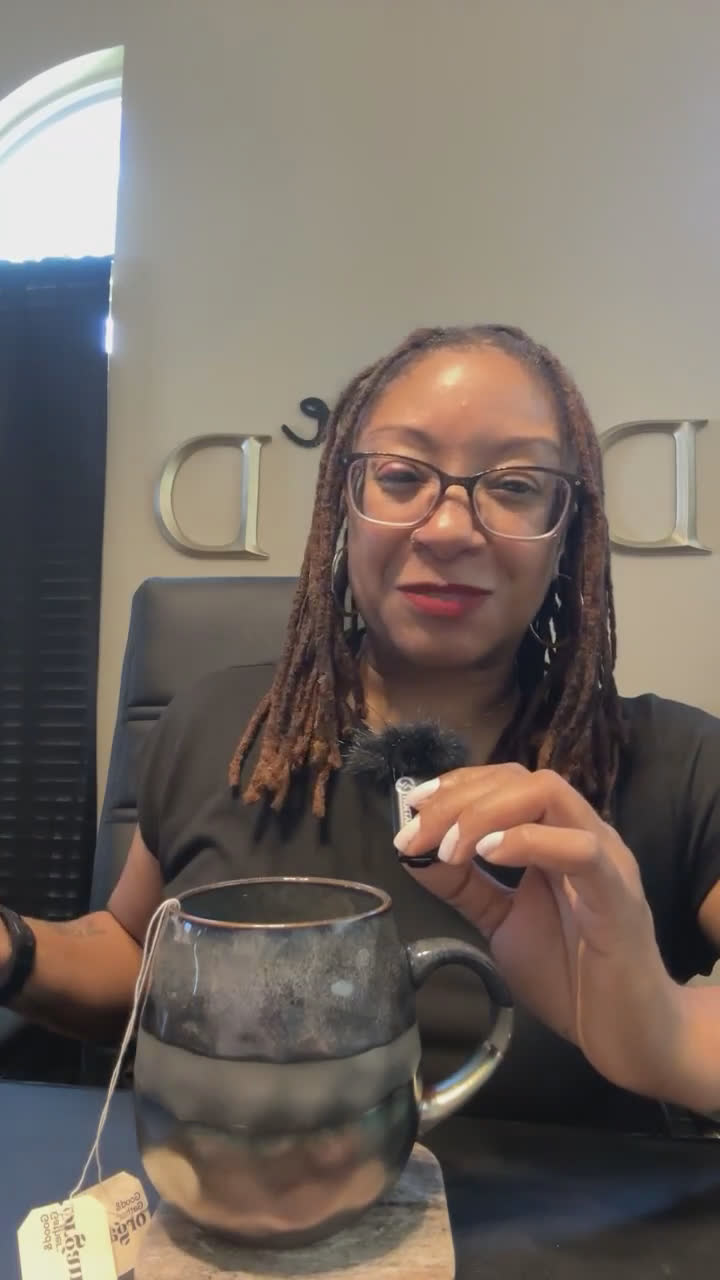
"I'm not drinking coffee today. I felt like having a good cup of tea. It's called the female search for Love by bell hooks, and I'm almost done with it. I love this book. " Check it out if you're interested in female love.
When we choose not to forgive, we're planting seeds of anger and bitterness in the other person. Without pain, without anger involved in a conversation or communication with a loved one, we don't need to forgive. Anger spreads like wildfire when we experience pain repeatedly.
Hello, Cadre. So I have a surprise. I'm not drinking coffee today. I know it's my coffee chat, but I felt like having a good cup of tea. So I don't know if you guys have heard of a medicine ball from Starbucks. I don't recommend getting it from Starbucks because it's too sweet. But if you make it yourself, you can. I found a dupe where you can put peach honey tea from target, organic and mint tea. And I just don't have the lemonade and the honey in there, so I just felt like having some tea just to make me feel nice and warm and cozy.
So just to give you guys an update on what I've been doing today, I hope you guys are having a great day. I know when I look back at the videos, the words, anything that has any script in it is backwards. So I'm still going to show you the book, but I'll let you know what it is. It's called the female search for Love by bell hooks, and I'm almost done with it. I have, like, two more chapters left. I love this book. It's not exactly what I expected, but it is giving me some insight to male female dynamics when it comes to relationships and love and what we expect from each other.
It does talk a little bit about the feminist movement, which I'm not necessarily into, but I respect it. But, yeah, check it out if you're interested in female love. But today I'm going to be talking about when anger requires forgiveness. And this came up for me in a session with a client this past week. They were sharing an experience they had with a family member that they love so much. You know, that person had their heart, and that family member said some things that really hurt them. And while we were talking about it, trying to unpack what all happened, the idea of forgiveness came up.
And my client asked me, how can I forgive someone who hurt me so bad? And when she said that, something clicked, and I started to think, what is forgiveness all about? You know, I've heard over the years, you know, forgiveness isn't even about you forgiving the other person. It's forgiveness is for you. They don't care if you forgive them or not. Some people don't. But forgiveness is for you to move on. And so, as we talked about it, what came to mind for me was that forgiveness isn't even necessary unless we experience pain.
So without pain, without anger involved in a conversation or communication with a loved one, we don't need to forgive. Forgiveness is not even an option. So when we've been hurt, when we've experienced someone's anger, or when we've been angry at someone, that is a sign that we need to step into forgiveness. And so I'm going to give you a couple of examples of how this looks. I remember I was deeply hurt by one of my first boyfriends, and this was way back, y'all taking y'all way back. But this person hurt me very deeply.
And, you know, when you're a teenage love, you know, nothing else matters but that person. You know, you're so in love, they're just the best thing ever that you've ever experienced in life. And when that person hurts you, it's a shock. And sometimes anger comes in. And I remember over the years, anytime I heard that person's name, whether they were talking about that person specifically or just that person's name in general, when I would hear that name, when I would hear about that person, when I would see them in different spaces, or if I just had a random thought about that person, I would get upset.
Angry, like boiling. Like, I can't believe this person did this to me. And the incident that happened was years before, and it was interesting that I still had this strong emotional response to something that happened to me that wasn't happening in the moment. And I had to slow myself down and think, I need to forgive this person. But what does that look like? I don't know how to forgive. No one really teaches us how to forgive other than, you know, we tell little kids, like, make sure you say you're sorry, apologize.
And sometimes we're told to say we're sorry when we don't mean it. Right? We force people to do that. And saying you're sorry and getting an apology, when we hear an apology, that doesn't mean that we actually forgive the person. And we even forced kids to say, I forgive you without them even knowing what that means. I've been playing around with this this past week, the last couple of days, and what is forgiveness? Why is it needed in connecting that to anger? You know, when we choose not to forgive, again, forgiveness is for us.
But when we choose not to forgive, we're planting seeds of anger and bitterness in the other person, especially if they are also seeking forgiveness from us. So there are times when someone who has lashed out in anger where they recognize, I messed up, I shouldn't have said what I said. I shouldn't have hurt you in that way, and I'm sorry, please forgive me. And we might hear that beg in that apology please forgive me. But us on the other end, when we're the recipient of their anger and their pain, we're like, I'm not ready.
I can't do that. I can't forgive you. And so what that does is it plants that seed of anger and bitterness in them because they're like, well, what else do I need to do now? I've apologized. I've told you I'm sorry. I've changed the way I am. I haven't done it again. Why are you so mad now? I'm mad because there's nothing I can do to make this right. And that's frustrating. So anger and forgiveness are connected, and forgiveness is needed not just for you, although we're told that, but sometimes the other person does need your forgiveness so they don't engage in anger over and over and over again.
Anger towards themselves, too. I would say that without forgiveness, that anger that is experienced in the relationship, it just spreads like wildfire. You know, when we. When we experience pain repeatedly and we don't get an apology, and when we don't forgive, anger just keeps growing. And when anger continues to grow, that grows with the disconnection in our relationships and eventually with so much fire and so much heat and pain and anger, that relationship will eventually dissolve. And if that's not what you want, if you want connection, if you want to repair the relationship, I talked about that last week.
When you want to engage in repairing what's been hurt, you have to forgive. So I know it's not easy. I know it might be a challenge for some of you and some people who are just easily forgiving people. Like, I applaud you for that. It's not something I think about for myself. Like, oh, I can easily forgive people. I think I'm, you know, easily trusting towards other people. Like, once they apologize. Okay, I'm gonna give you another chance. But I also have to check myself. And sometimes just because I give someone another chance, that doesn't mean I've actually forgiven them.
And so what does that forgiveness truly look like? So I hope you guys are having an amazing day. I hope you're getting your coffee, even though I didn't. But I'm gonna enjoy my cup of tea, so y'all have a great day. Bye.
Reactions and comments are for members. Joining is free and takes a minute.