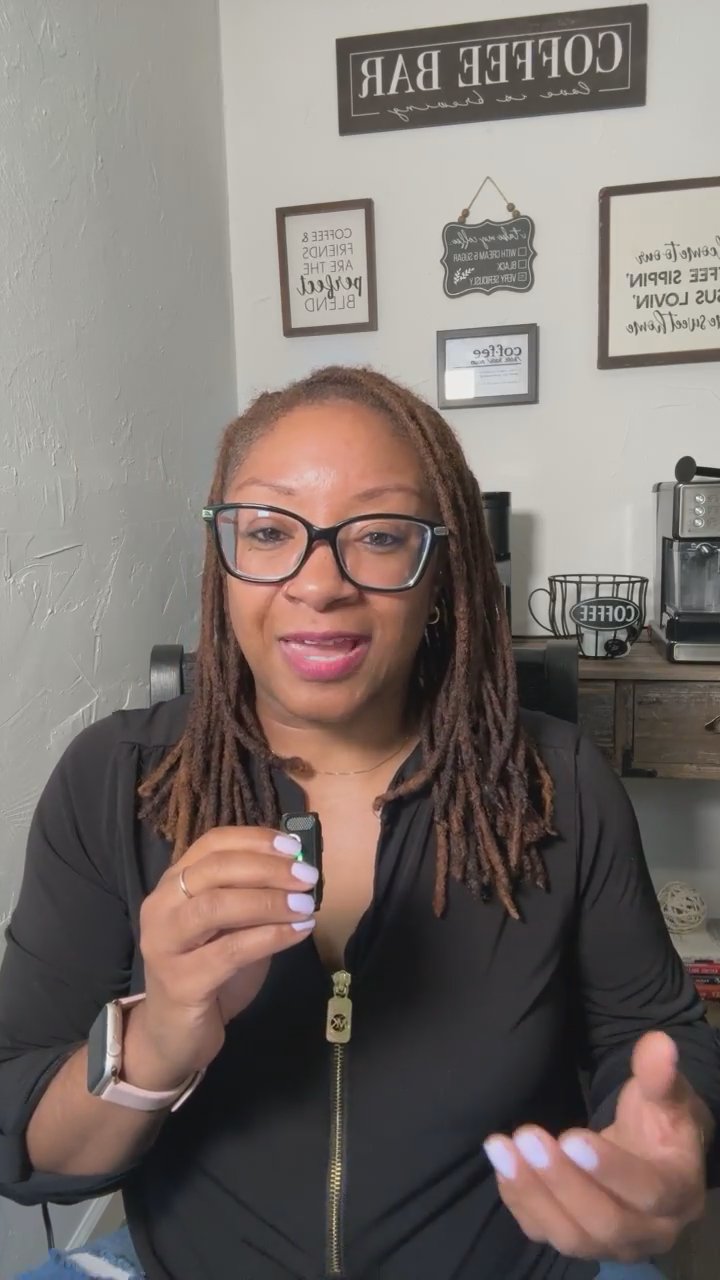
Doctor D explores why people crave chaos in relationships, introducing chaos addiction and outlining familiar patterns from toxic upbringings, adrenaline-driven fight-or-flight, the stress–reward cycle, and the role of boundaries and silence.
Doctor D: I got tea today just because I'm really cold. For some reason, in the midwest, it's still pretty warm outside. And I just wanted something warm, like a warm hug in a mug, as they say. But the tea is still too hot, as usual.
Luke: Why do we crave chaos in relationships? He says if we grew up in a toxic environment, the chaos can feel familiar. Another reason is we get this adrenaline rush when we experience chaos. Luke: How can you change this toxic communication cycle?
How comfortable are you with silence? How often do we take a pause? And how comfortable are we with slowing down and being still? September is suicide prevention month for all of September. If any of this is resonating with you, drop that coffee mug in the chat for me.
Hello, Cadre. It's Doctor D here. I got tea today just because I'm really cold. For some reason, I think where I'm at in the midwest, it's still pretty warm outside. And so everywhere I go, the air is blasting and it's making me cold. And I just wanted something warm, like a warm hug in a mug, as they say. But it's still too hot, as usual. So I'm not going to drink it just yet. But today I have a pretty interesting topic for us. I'm going to talk about chaos and relationships. And this is coming from a conversation I had with a recent client.
And the question asked in a session was, why do I keep craving chaos? And that hit me. And I don't know. For some reason, immediately, my thought was about boundaries, but I had to sit with it for a little bit and really consider, well, why do we crave chaos? And that sounds a little toxic to me, right? So, in my research this past week, I found this topic. It's a new term in psychology. It's chaos addiction. And I need to learn a little bit more about it. But I just want to highlight maybe a few reasons why we crave chaos in relationships.
The first thing that comes to mind is that it feels familiar. So if we grew up in a toxic environment, or we have experienced multiple toxic relationships, the chaos can feel familiar to us. Where it's something that we already know, we know how to operate in that space. And when we don't have the chaos, we create it somehow. So maybe it's through communication. Maybe it's through making up a problem that doesn't really exist. Sometimes people do that in therapy because they only know how to operate from a place of chaotic environments or chaos in their minds just clutter in their minds.
But where there's toxicity in the relationship, that feels right, because that's all they know. So the chaos is familiar. The second reason why we might crave chaos is we get this adrenaline rush when we experience chaos. So we go into fight or flight mode. And so when we experience fight or flight, our adrenaline is kicking in. We are learning to protect ourselves in those moments. And when we are experiencing this adrenaline rush, sometimes that feels good. Some people who struggle with addiction, other types of addiction, like drug addiction, sex addiction, gambling addictions, that adrenaline rush is what keeps them going and wanting to crave that more and more.
So when there is chaos in a relationship, there's an adrenaline rush of, I have to fix something, I have to fight for something. And that fight or flight feels like something may be positive, even though it's a negative experience. And another reason why we experience or we crave chaos and addiction is what's called the stress reward cycle. So think about times where you may have had an argument with your partner or any relationship, and in the moment, the chaos doesn't feel great. But what happens after that?
There's reconciliation. And in that reconciliation, there might be a gift, there might be a hug, there might be whatever reward there is that you consider reward. So maybe you get more time with the person that you were feeling disconnected from. Maybe you get a gift. Maybe you get really just recognition. Maybe it's just the attention. That might be the reward from showing chaos in the relationship. So that stress reward cycle is rewarding to you. So you might create or crave the chaos because you know what's coming next.
And typically the reward is what you receive. And the last thing I'm just going to highlight today is sometimes chaos can be a distraction. We get distracted by the problem and we don't address the things that we need to do in life. So maybe we are distracting ourselves from work or we're distracting ourselves from other responsibilities, like our children. It could be projects that we have to do. And a lot of times we're really distracting ourselves from our personal goals. So we allow or invite chaos into moments because we are distracting ourselves from what we really need to accomplish.
Consider if you've done that. If you have, please comment in the chats here. But let's talk about how we're going to stop this cycle. First thing is identify the pattern. There's toxicity in all of this. When we crave chaos, that's toxic. I'm going to call that out for you. So identify what are these unhealthy patterns, these toxic patterns that you're the experiencing in communication, the toxic pattern of even unhealthy physical relationship. The toxic pattern of I'm inviting chaos so I don't have to pay attention to other parts of my life.
And if that's what you identify, I want you to hold on to that and think about the why. Why do I do that? Why do I want to distract myself? The second way to stop the chaos, I want you to ask yourself, how are you creating new patterns of communication? So consider this. If you are in a toxic cycle of unhealthy dynamics, unhealthy communication, how can you change that? How can you do something new? So if you typically yell at someone, how can you quiet yourself? Hi, Luke. Thanks for joining. How can you create a new pattern?
Of communication wherever, instead of getting upset and shutting down, you actually verbalize what's bothering you. So sometimes when we shut down, that creates toxicity and this chaos in the relationship because maybe our partner or the other person involved wants to communicate with us, but we are blocking that communication. We are putting up a stop sign like, hey, I'm not available. I don't want to talk to you. And that creates chaos in a toxic cycle when partners want to, to break through that, and we just don't allow it.
So change that pattern for yourself. Challenge yourself to actually have a healthy dialogue about what's bothering you. And the last tip. Now, I really want you to sit with this one, okay? I want you to ask yourself, how comfortable are you with silence? How often do we take a pause? How often do we slow ourselves down? And how comfortable are we with slowing down and being still? Now, that is a challenge for many people, especially with how busy our lives are. We don't know how to sit still anymore.
And we will go and pay for retreats. You know, maybe go to a monastery or going out, even to another country, just to have time of silence. But I want you to challenge yourself to see how can you create an environment in your home, in your workspace, in your car, wherever you can spend time alone in silence. Not with music, not with the YouTube playing in the background. I just really want you. I'm going to challenge you to think, how can I sit in silence? Sometimes that silence is scary and that can feel chaotic.
And so we might run from that. Remember that distraction I talked about with chaos? Sometimes we run from the uncomfortable feeling of just being still, but we need it. Sometimes we need to be still. We need to be silent. Silent so we can really hear what's going on. So we can hear our own voice, so we can hear what really hurts. And not just hear it, but feel it. So that's your challenge today. I want to just remind everyone, this is suicide prevention month for all of September. You haven't missed it yet.
And don't be afraid to talk about it. Don't be afraid to talk about what's bothering you. You don't have to suffer in silence. Okay? Remember that. But I do want to challenge you to be comfortable with silence. Be comfortable with being still. So for those of you who are watching this with the replay, please comment replay in there so I know that you got a chance to listen to it. If any of this is resonating with you, drop that coffee mug in the chat for me and I will see you all next week. And hopefully next time I'll have some real coffee.
Have a great day. Bye.
Reactions and comments are for members. Joining is free and takes a minute.