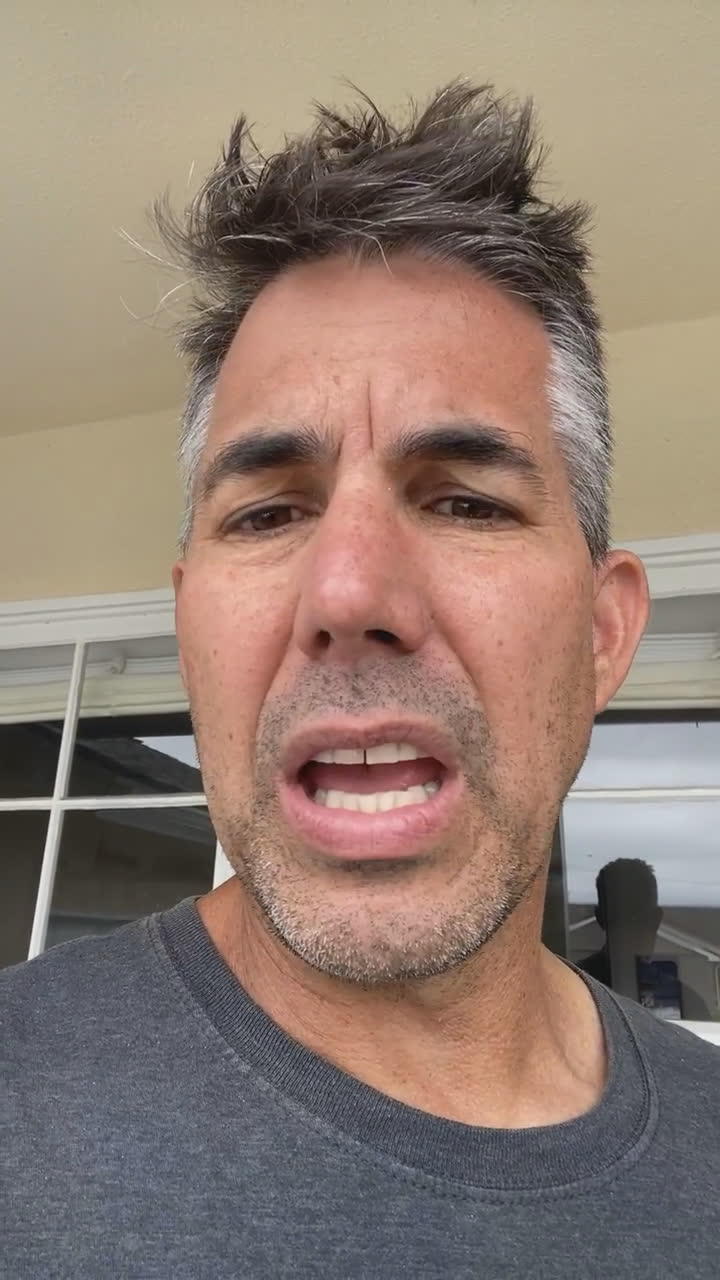
A livestream explores conscious masculinity and when to speak up about sexist, homophobic, or abusive behavior among peers. The host reflects on bystander responsibility, balancing personal values and relationships, and strategies for addressing harmful comments without escalating into confrontation.
This week on Speak Wonder, we talk about conscious masculinity. When do you say something to a guy who's acting like, in my judgment, an abusive. Most definitely we need to speak up. But how do you do it?
All right, so welcome to the folks on the Kedrosphere. I need to update my little description for today, but it's the first of the month, first Saturday, it's week one. That means it's conscious masculinity. Man, have I had some stuff to think about when it comes to conscious masculinity. Here's the thing. You know, people have different opinions about this, but, you know, one of the big challenges that I sometimes have is, like, I have my ideas of what a conscious man looks like, and then somebody else might have their ideas of what a conscious man looks like.
I have my ideas of what men in recovery should do or should not do and how we should behave and not behave. And I certainly apply those to myself, but I sometimes apply them to others. And then the question is, like, when do you say something? Like, when do you say something to a guy who's acting like, in my judgment, an when do you say something to a guy who's making sexist comments, homophobic comments, treating it like it's no big deal, using slurs, acting in ways that just don't seem. Hi. Hi.
Speak Wonder. Thanks for joining. You know, it. It's interesting. So I went on a trip and there was not 10 of us. And I talked about this last week, but there were 10 of us. And it was kind of like we were all showing up in different ways, Right. And I found myself, like, really judgmental. And again, you know, the question is, when do you say something like, there's some people, they have no, I don't know. I mean, like, their thing is like, you're wrong, you're saying mean, stupid things, and I'm going to call you out.
I don't know that's ever worked, frankly. And I mean, if you're not interested in having a relationship with the person, then who cares, right? But if you're friends or if you are going to see these people on a regular basis, like, you know, what do you say? And you know, what I have to let go of is I know what's valuable to me, and I know what I've learned is valuable to me. And I have to remember that my values are not everybody else's values. And yet at the same time, there's too many times, and Jackson Katz talks about this, this idea of bystander politics, especially with men and ugly, unhealthy behavior.
The idea of men not speaking up, not engaging in the behavior, but not speaking up, not doing their part. And so it's a question I've been holding I did say some things. I don't know if I was right to say what I said, but I think I was because I spoke up with another guy, because one of the guys was just saying some really obnoxious stuff in front of groups of people with kids. And it was just kind of like, no, no, you're with us, we're part of a group, so your behavior is reflecting on all of us and it's not okay.
But how do you do it? How do you approach it? What do you say? What's the best way to talk to somebody? You know, as soon as you use the word confront, you know, there's already an adversarial component, it's already conflict. But I think the thing for me is I can't come from a place of self righteousness and I can't come from a place of I'm better than you, I'm no better than these, any of these folks. I just have different values, different ideas. Or maybe it's because I had people take me aside and challenge me and give me alternative ways of expressing myself and my behavior.
And so I agree. Speak wonder. You know, speaking up becomes necessary in some situations. If somebody's safety is, you know, at risk. Most definitely we need to speak up. But then there's all these other situations where it's just like, you know, how do you do it and how do you do it? Like, do I worry about offending other people? No, not necessarily worry about offending people, but I think it makes a difference in how I say it and what I say. And for me, I think that's a powerful part of conscious masculinity is it's like I'm aware of the man that I want to be.
I can't force you to be the man that I want to be. And I can't force you to value what I value about masculinity or healthy masculinity or conscious masculinity, because that's not how it works. But if the behavior seems to be crossing some significant line, that's when we need to say something. So that's what I'm thinking about. And I encourage everybody today, this weekend, this week to be thinking about how many times you have interactions with people, how many times you're in situations where you want to say something and you don't.
And do you not say something because you're afraid? Do you not say something because pausing and not saying something is the best thing to do? Or is there another reason and just reflect on that and maybe it's about taking a risk. Sometimes it's about taking a risk, the risk of saying nothing because you're too confrontational with people. And then sometimes it's taking the risk of saying something and learning how to say it in a way so the person can hear you. Otherwise, it's really like, why are you saying something?
You know, are you? So that's what I'm thinking about on this beautiful November 2nd. So thank you for these great comments. Men of integrity often raise the bar by quiet example. Ooh, that is such a great line. Men of integrity often raise the bar by quiet example. I think we're going to end on that Excellent note from Speak Wonder. Thanks, everybody. Have a great rest of your weekend. Take care and live a conscious life.
Reactions and comments are for members. Joining is free and takes a minute.