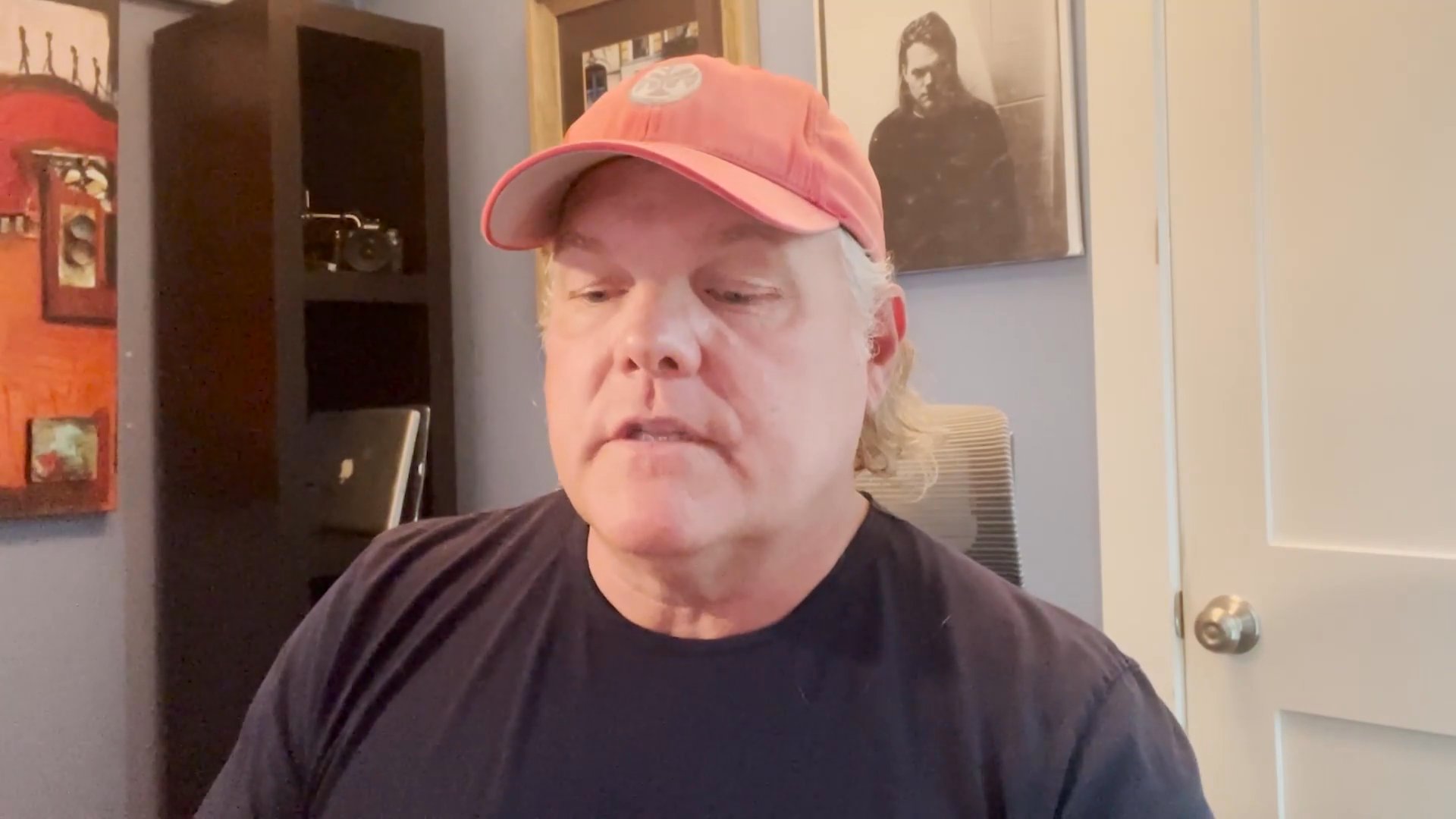
In this video, Chris shares his personal experience with the road to recovery, how to find community and how to navigate the peaks and valleys of the early stages of recovery.
Chris: It's important to recognize what matters in the context of your path to recovery. In any path, you need to have people around you who are also doing what you're doing. Whatever path you choose, surround yourself with people also in that path.
Hi, guys. Chris here from Cadre. Today. I was going to talk about the many paths to recovery. We hear people say that a lot, a lot of different ways to get sober, some opinions, some arguments about that. I think it's important to recognize what really matters in the context of your path and which way you choose to go, whether you're on some mat or whether you're in rational recovery or some moderation program or smart recovery or AA or NA. My actual very first meeting was Na in Boulder a million years ago, and I wasn't ready to get clean, and I didn't connect, and I didn't know what I was doing.
Then I started AA in Los Angeles and then eventually in St. Paul, and it took hold. And I think what's really important to recognize is that in any path, you need to have people around you who are also doing what you're doing and have lived the same moments that you are living. And I think, you know, in early recovery, we're going through. It's just moment to moment where you're comfortable, uncomfortable, doubting, confident, all over the map in these, what we used to call sort of shedding a layer of skin in early recovery, where all the evil spirits are working their way out of you.
So you go through a whole lot of stuff in terms of emotional attentiveness. And, you know, people refer to emotional sobriety. It's hard to stay focused. It's hard to be in a relationship. It's hard to hold a job. It's difficult to do a lot of things. Not for everybody. We all struggle in different ways. My recommendation and my experience and my passion about recovery comes from the community, comes from the group of others and the modeling that we're able to do around those people. So if you're sitting around in a sober house or you just got out of treatment and you're back at your house or an apartment, you're going to find very quickly that what matters is the other people.
There are just more numbers in AA and NA than the other programs. I'm not criticizing or judging any of them. I don't think it's worth my time. I think what matters is how do you connect what's going to draw you in to the sober lifestyle? Because in the end of the day, this is about repurposing your lifestyle, changing a lot of things, external things like where you live, who you hang out with, jobs, all that kind of stuff. You hear an awful lot of advice about that. But really what you're doing is trying to change the internal perspective.
Like, who do I think I am? And what do I want to do and who do I want to be? And this. This concept that a old junkie told me when I first started was that it really was about having a life, not about not using. This, he said, was going to turn into more of a process about go get a life than about a process of not using heroin anymore. That just isn't enough. Right? Like any junkie will tell you, I'm going to need a lot more than just stopping using to get my attention. So whatever path you choose, surround yourself with people who are also in that path.
Go to lots of different kinds of meetings, and you might have friends from two different ones. I was just at a coffee shop a couple of hours ago with some of the guys I got sober with. We're all 20 plus years sober. They're all married, and they talk about, you know, my wife threw the remote at me again, and it's hilarious. And when I joke and I tease them and. And we have different things that we talk about, mostly kids, you know, some of our old friends. It's such a supportive atmosphere, and I don't think anybody mentioned anything about what they used to use, what they used to drink, or the war stories.
It's all about the context of now, and I think that's really important. So don't get caught up in, well, I'm not in that program. I'm in this program, and I don't believe this, but I believe this. Humans naturally do that. And when you're in early recovery and you're still repurposing yourself and you're still changing, like, coming out of your skin, and you're not sure who you want to be, it's very easy to silo yourself with a group of people who believe this or a group of people who believe that, I think that's dangerous.
I think that it might take you longer to engage. And I think what we want to do in early sobriety is really begin that engagement as soon as you can. Like, it becomes your routine. The people who you meet become your best friends. The purpose of recovery becomes your purpose. Throw yourself into it. And don't make the mistake of thinking that this is some marginalized version of life, that you're not in the real society. That's a bullshit narrative. This is real life on life's terms, and it's way more than just not using or not drinking.
So to make it a little easier for some of us or some of you to decide about these different programs, I wouldn't worry about it. I would jump in and try to find as many people as you can to surround yourselves with that are also really excited about their recovery and let it just wash over you and stay in the game, stay in the conversation, go to the softball games, go to the barbecues, go to the meetings, go to the ice cream socials, go to the dances or whatever the AA stuff, whatever it is, go to the social.
It's also often referred to as the fellowship of AA, but fellowship is the community, so there's all kinds of stuff going on in the sober community. There's nothing to do with any program. You'll find what really matters and when you find what really matters and you get that sense of this is serving me like I'm getting better, you're going to stick around because you're going to recognize this is good for me, I need to be doing this. Good luck.
Reactions and comments are for members. Joining is free and takes a minute.