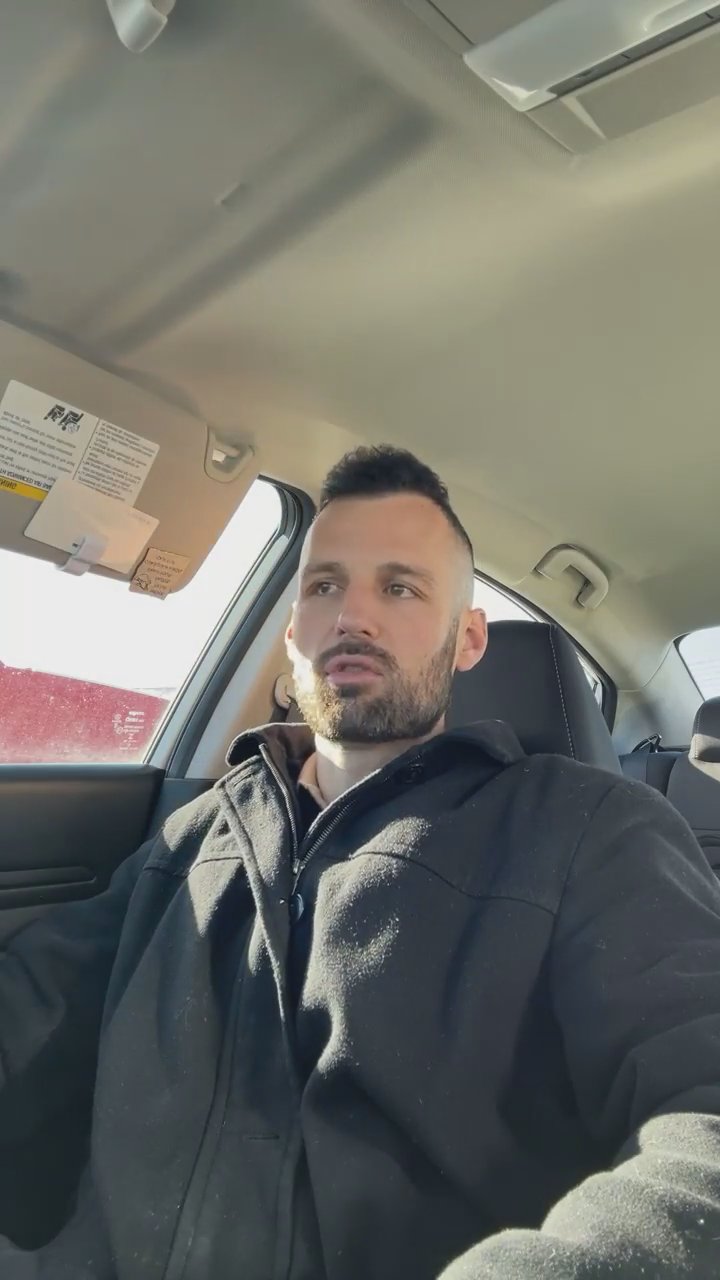
Let’s talk about the power of habits in recovery. Bring your best habits and strategies to develop them to the session.
Jason Lennox: It's been a few weeks. I was off at the end of the la, the last couple weeks of the year. Last week just had some unfortunate things going on in the family. It's good to be back. Happy Monday.
There's a big difference between habits and goals. And in my opinion, when we can create habits, we can do a few things. Three things I think that habits do, they create opportunities for growth. They create a consistency in our life, in our lives, and then they prevent us from falling backward.
Sherry: How do we create consistency in our lives? She says habits can create opportunity for growth again. Sherry: They protect me from falling back in a way that could mean life or death. It's much more feasible to make changes when we have a consistent baseline to start from.
Aims to be intentional about spending time with family. Consistency creates the consistency which we need in recovery. Modify here, tweak there just change a little bit to improve, to grow. They're life saving really.
Good morning to my Cadre crew. Jason Lennox here, and I am your resident recovery champion. I am coming here. I want to pause here and make sure that you can hear me. Some audio things going on. Give me just a second. Second. Disconnect my Bluetooth. So again, Jason Lennox, and I am your resident recovery champion. It's been a few weeks. I was off at the end of the la, the last couple weeks of the year, out with family, had a great time. I was also sick. So sorry, we. We disconnected. Happy Monday to you as well, Jocelyn.
Very cold Monday here in Minnesota, but yeah, I've been out for a few weeks, a couple weeks with, you know, vacation and being. Being with family in a place that I didn't really have service, so. And then last week just had some unfortunate things going on in the family. So appreciate everyone's patience. It's good to be back. We'll see if I can remember how to do this. You know, I originally wanted to talk at the beginning of the year about habits and why I thought it was a good discussion is because the new year comes and people set goals and, you know, it's funny, there's this ad that keeps showing up on my YouTube where they're talking about, you know, creating goals and in the new year and, you know, people going to the gym is a really good example.
And they've coined the second Friday in January, quitters Friday, which is very interesting. So I thought it was important to talk about habits because, you know, habits, there's a big difference between habits and goals. And in my opinion, when we can create habits, we can do a few things. And I want to talk about three things that I think come from habits. And then I want to talk a little bit about how we develop habits and at least some approaches that have worked for me. So, again, three things I think that habits do, they create opportunities for growth.
They. They create a consistency in our life, in our lives, and then they prevent us from falling backward. And, you know, for those of us in recovery, around recovery, it's very critical. I know for me, when I was in active addiction, there were no consistencies. There were no habits in my. There was a habit. It wasn't a good habit, and it was very chaotic. And so I just didn't have a lot of that consistency. So three things, again, creates room for growth, prevents us from falling backward, and then create some consistency.
And it's good to see you speak wonder as well, Kathy and some others I know that are joining. So anyhow, I'll touch on those Three. First I want to talk about consistency. And I think this is one of the most critical things for anyone in recovery is how do we create consistency in our lives? And I was just fortunate where I landed in a treatment center and in the rooms of recovery where people, you know, were there to show me and they, they, they helped me develop some healthy habits through 12 step work, through, through service work and, and just daily things that we would do to really start turning the corner and creating some consistency.
I think, you know, when we can have habits in our lives that we're doing regularly, it's of course beneficial in that area and what we're doing, but I think that trickles into every other area of our lives as well. So I think, you know, we can't place enough importance on habits and how that create consistency and what consistency can do for us. And so kind of piggybacking on that is the second thing that I think habits can do is create opportunity for growth again. Because when we have consistency, I'll give you an example at the beginning of the year, I don't typically used to, but I don't anymore really set these massive goals.
I don't look for life changing things that I'm going to do. Instead what I do is maybe just make some modifications to all the habits I already have around exercise, around diet, around my wellness, around my meditation, around my prayer, around all the things that I do. I just look to make modifications versus again kind of completely overhauling. And that's why, you know, the quitters Friday thing, we go from I didn't work out in 2024 to I'm gonna go to the gym every day of the week. You know, we see how that plays out, we see how that happens and it usually doesn't.
So the opportunities for growth actually come from the consistency and the fact that I myself, I go to the gym three times a week last year and you know, I want to maybe do it four times a week. Right. So I'm just adding a little bit. It's, it's much more feasible to make changes and to grow in every area of our lives when we have a consistent baseline to start from and we're not starting from scratch, going from here to here. So I think those opportunities for growth for me in my life come from the level of consistency that I've, that I've had.
Hey, good morning, Sherry. Good. And Anna, it's good to have you chiming in too. So that consistency again is, is my room for growth. It creates the opportunity for me To. To level up and to take it to the next level. So that's the second thing. The third thing that I think is so important is that consistency in the habits with which consistency comes with is they. They really protect me from falling back in a way that could for us, those of us in recovery mean life or death. Really, they. They prevent me from falling back.
And again, what do I mean by that? Well, if I have a daily practice of. Of X, Y and Z, and I go to the gym three times a week, and I know that helps my mental health and I eat right and I'm going meetings and recovery events and I'm talking to my recovery people here like, you know, the Sherry's of the world and, you know, the. Just the rest of my crew. When that becomes a consistent habit for me, I'm much less likely to fall backward because I'm just in that space. I'm doing those things. I'm contributing to the things that I know make for a healthy recovery and a healthy Jason.
And as long as I can do that, I'm fairly protected. And I actually say this often when I speak, all ego aside, because I know how baffling this disease is. What I say is I'm not egotistical enough to say that I will never go back to the life of drugs and alcohol, but I know that I don't have to. So there's a key distinction there. Like, I'm not saying that I never will because I don't know what the future holds. And guess what? If I blow up all these habits and I stop doing the things that I know work to keep me on a healthy path, who knows what could happen?
But I know the difference is I know that I don't ever have to. What do I mean by that again? If I can just continue to follow the patterns and keep the habits and create the consistencies in my life, then I will. I know that I'm protected from falling back because I'm living in a different space. I'm living in a world of service. I'm living in a world of connection. I'm living in a world of love. I'm doing what I can to pack into the world. And as long as I'm doing that, it's very hard for me to think about doing drugs and alcohol because all I was doing there was seeking something, was seeking that gratification, that satisfaction, that fulfillment, trying to fill that void.
That's what I was after. I know that today, that's what I was after. With all of that When I'm doing all the things I've already mentioned that I know work for me, which might be different than the things that work for you, but then when I knew, when I'm doing the things I know work for me, I don't have a lot of room to look back and think about, you know, what else can I do to fulfill. Now, of course, I like food and money and like some of these things. Yeah, there's still some appeal there, but I know better.
And I don't go back to the drugs and alcohol. So again, the habits, what they do is they create some consistency in our lives, which is so critical for people in recovery, especially early in recovery. Because if I have that consistency, I can keep on that path versus bounce back and forth and back and forth and back and forth. They create opportunities for growth. Because when I'm consistently climbing and trying to do the right thing, I'm not trying to jump 50,000ft up. I'm just trying to take that next step and just improve a little bit and a little bit and a little bit from that solid baseline.
The third, they protect me. They protect us from the pitfalls that come with a life of addiction, but also just the life of you human beings, where we start to seek again some of these joys and fulfillments elsewhere. So those are the three reasons that I find habits are so important. And now the million dollar question is, how do we actually establish them? Because, you know, if you're like me when I got into recovery and even some days now, it's like, boy, this is a whirlwind and a complete change of life for me.
And so, you know, I always recommend, and what I say more than anything is create the level of accountability through either people, mentors. I have a couple coaches. I also have a therapist. These are the people in my life that I get to have conversations with on a weekly basis. On a weekly basis. And those conversations are all based in what are you trying to accomplish? Are you getting there? Do we need to modify? Do we need to adjust? And that for me was the most critical. If I think about one thing, that's one.
I've got this coach, this coach I've been working with for many years. And every year we kind of review all the goals and all the things that we're talking about on a weekly basis. And there used to be a thing on there that was family. One of my habits and consistencies I wanted to create in my life was to be intentional about spending time with family. Well, it was there for A year. And guess what? There came a point in time where it's like, this isn't really needed. We don't need to talk about this anymore.
You're going to see your family more than you ever even imagined you would or that you wanted to or that you set out to. So it was. It was just, again, a way for me to create a goal to put it there. And again, it wasn't like a drastic change for me because there was a level of consistency, but I wanted to be intentional about who I saw, when I saw them, how often I saw them. And I did that for a little while and we touched base about it and it became habit. And now it's such a thing for me that it's.
That is my life. People ask what I do for fun. I say, well, I work, and I think that's fun most of the time. And then I have family. Really, those are the couple things. And I love music and sports and all the other things, but most of the time that's with family, too. So that's just an example. And I have regular things like that, being in nature, exercise, nutrition that I review and that I talk about with coaches. And then I think about, this is where I want to go, this is what I want to do. And then they eventually fall off because guess what, they just become habits that I don't need to talk about.
It is part of my daily life. Just like brushing my teeth, just like praying, just like sleeping, just like meditating, just like sending morning intentions off to two groups of people. All the things that I do, I would just feel really off if I wasn't doing those. So again, I think the habits are so critical. And I wanted to talk about the beginning of the year because we do set out to have all these goals and do these great things, which is great. I'm not saying that that's right or wrong. I'm just saying underlying that we really should have a level of consistency in the habits and we really should just be looking to improve on those.
Modify here, tweak there just change a little bit to improve a little bit, to grow a little bit, because we always want to be growing. But when I have the level of things in my life and the habits that I do, it's not a far cry, it's not a huge leap. And that's why I think they're so important. Again, creates the consistency which we need in recovery, we need as humans, gives us the opportunity to grow, really to be able to, like, successfully grow, because we're not trying to make such an extreme change.
We're much more likely to do it when we're just making those little, you know, adjustments. And then it protects me from, you know, worst case scenario and falling back. And you know, it's this year I wanted to talk about this and then ironically some things came up with family and some very serious things and you know, my ideas and my adjustments that I wanted to make, guess what? They sure as heck haven't happened in the first 12 days of the year because I've spent a week of that in a hospital with family and then another few days just kind of losing my mind a little bit because I'm not sure what to do.
But I still have that consistency in the baseline so it hasn't gone away and I'm not falling back. Like maybe I missed a workout, whatever. But it's, it's such, it's so habitual for me that I, that I just have to get back and I have to do the things that make the difference for me. So it's, it's habits. They're life saving really. Especially in this game of recovery that we play in this life that we're living. For me, habits, boy, I've probably said it a hundred times on this little session and it, there's a reason so small thing seems simple, seems kind of bland, you know, habits.
But boy, when they actually take effect and when we can run our lives and have these things that other people might not even be able to think about or be able to accomplish in the background on cruise control, autopilot, like we're not really even thinking about them and taking up energy because they're just so automatic. We, boy, we have the opportunity to do a lot of cool things. So I'm grateful you all have joined on a Monday morning. I know it's a little bit off but again I was know with family and we were doing some things last night and I couldn't get to the video and that kind of takes precedence right now.
So it's, it's, it's still great to be with you. Thank you, Sherry, thank you for your kind words as always. You all are phenomenal and I look forward to coming back and, and checking in next week. Would love to hear about your habits and ways in which you do that. So you know, bring those, bring those ideas along. Drop them in the. I'll do a follow up post and just ask, ask you all to contribute what in the recovery or the substance use community? What is, what is it that you do how do you, how do you implement habits and then how do you maintain them?
Because you know, I think the more the merrier in terms of ideas and the, in the strategies that we all use. So thankful again to be here again after a few weeks. Grateful for your patience, Sherry. Yes, it's a connection is key. It's what holds us up in this, especially in this recovery space, that connection community. Oh my gosh, there are so many good people out there and you all are on that list for me. So I appreciate you. I look forward to doing it again. And you know, we'll, we'll come back and I'll drop a post to look in the, in the community feed here soon.
Otherwise, have great rest of your Mondays and have wonderful weeks and you know, go find those little habits that you already have, maybe adjust them a little bit, maybe try to create a new habit. Happy to chat about how to do that. Look forward to next time. See you all then. Thanks so much.
Reactions and comments are for members. Joining is free and takes a minute.