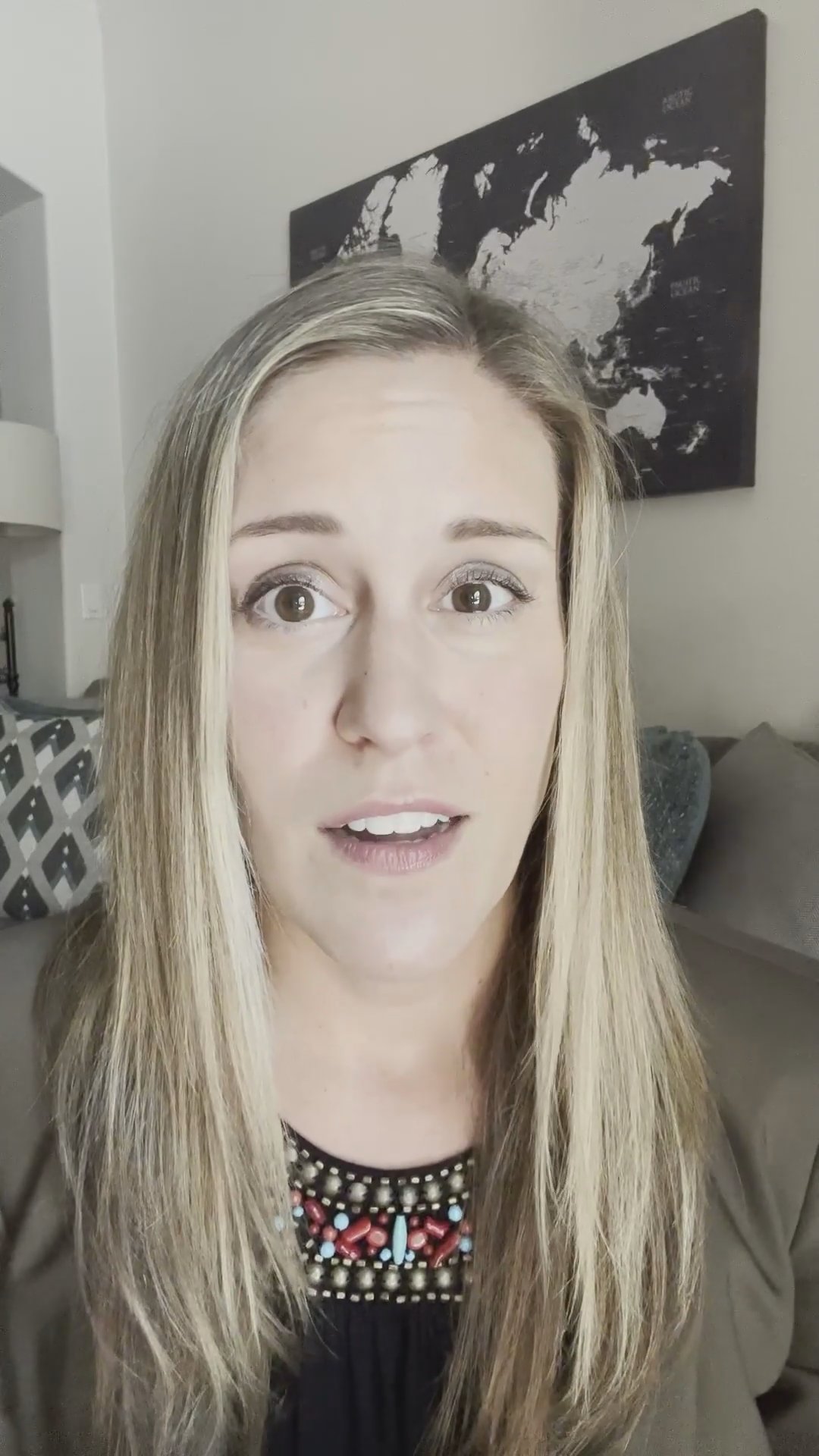
A candid talk about recognizing and naming personal defensiveness in relationships, noticing physical and mental warning signs, and using pauses or agreed signals to pause conversations constructively.
The speaker frames the video as an honest conversation about building healthy communication and frames it as a lifestyle choice. She highlights there is one key thing to begin working on.
This section defines what defensiveness looks like, how triggers activate automatic coping responses, and why you might not be fully aware when it happens. It encourages asking whether you recognize your own defensive reactions.
Using her experience in an abusive marriage, the speaker explains how defensiveness can abruptly end conversations and describes physical sensations and common coping behaviors like shutting down or fleeing. This helps viewers identify their own warning signs.
The speaker demonstrates a practical response: naming your defensiveness to your partner and asking for time to cool off so the conversation can pause constructively. She explains how staying present instead of going defensive leads to real resolution.
She suggests agreeing on a code word or signal to indicate defensiveness and emphasizes honoring that boundary, then closes by inviting feedback and saying goodbye.
We're going to have an honest, real conversation today about how to have healthy communication in your relationship. And this is not a one-time thing. This is a lifestyle choice. Similar to making diet and exercise changes, this is a lifestyle choice of how you want to have communication in your relationship. And there is literally one thing that you need to start. It is to figure out what am I like when I get defensive? And do I recognize when I'm defensive? Because what happens when we are defensive is that we get triggered by something.
And then we usually have a coping mechanism that follows that's usually automatic. This is like an activation of your sympathetic nervous system, just like if you're triggered from a trauma. You don't always have full awareness of what's happening when you get triggered and you get defensive and then you make comments that you regret later, you stomp off, you just have an unhealthy coping mechanism. And it usually leads down a destructive pattern that then requires repairing the relationship actually, when you were just trying to have an honest conversation.
So I want you to start by just saying to yourself, asking yourself, do I know when I get defensive And what do I do when I get defensive? This was the number one thing I had to learn in my abusive marriage, was how to not get defensive. Because the second I got defensive, it was game over. He was already defensive. But when you're both defensive, No coming back from that. So I just want you to think about that. Like, do I recognize, is there a physical symptom? For me, I can like feel my blood start to boil, if that makes any sense.
I get a little bit sweaty. I feel like my fists clench a little bit. Like I might not have any outward change, but I can feel it inside and it just feels like something like turned on. Like I said, my blood starts to boil. And I immediately want to put walls up in front of me and run and hide. That's my coping mechanism is to run away, to not engage anymore. And that's more common for men, but that has always been my coping mechanism in conflict is to just shut down. And so I recognize when I'm starting to shut down or when I'm starting to pull away or I'm starting to not even hear what the other person is saying, that I'm starting to just get defensive and shut down.
So for me, I have such training in this, unfortunately, from being in such an unhealthy relationship that I recognize the second I get defensive and I can immediately say to my partner, you know what, I'm starting to get defensive, I need a break. And that immediately says to them, Okay, so this conversation is not gonna go any further. Carrie needs some time to cool off. Great, then I have that time to cool off. So once you've identified what happens when you get defensive, you know, your physical symptoms, what happens to you mentally, how you cope with it, then you can begin to work on the healthy communication in your relationship because you can't have an honest conversation about your emotions, about your feelings and being vulnerable with the other person unless you're able to stay not defensive.
If you're able to stay in a place of being present and actually hear what the other person has to say, you won't go to defensiveness, you're actually going to have a resolution. It's when defensiveness cuts in that the conversation just derails. So I want you to start with that first tactic is figuring out how you get defensive, what shows up for you, how you act and start to just recognize it and recognize like, what, I want to have better communication in my relationship. And I want to sit down with my partner and say, hey, I want to talk to you about something, but I want us to have maybe a code word that we use.
Or maybe it's just one of us putting our hand up and saying, I'm defensive, I need 5 minutes, something like that. And then honoring each other when it comes to that, because you have to both recognize that if either of you are defensive, it's not going to be healthy communication. So start with that and we'll jump into more topics on this as well, but I'd love to hear how this is going for you guys. Thanks for tuning in with me today. God bless.
Reactions and comments are for members. Joining is free and takes a minute.