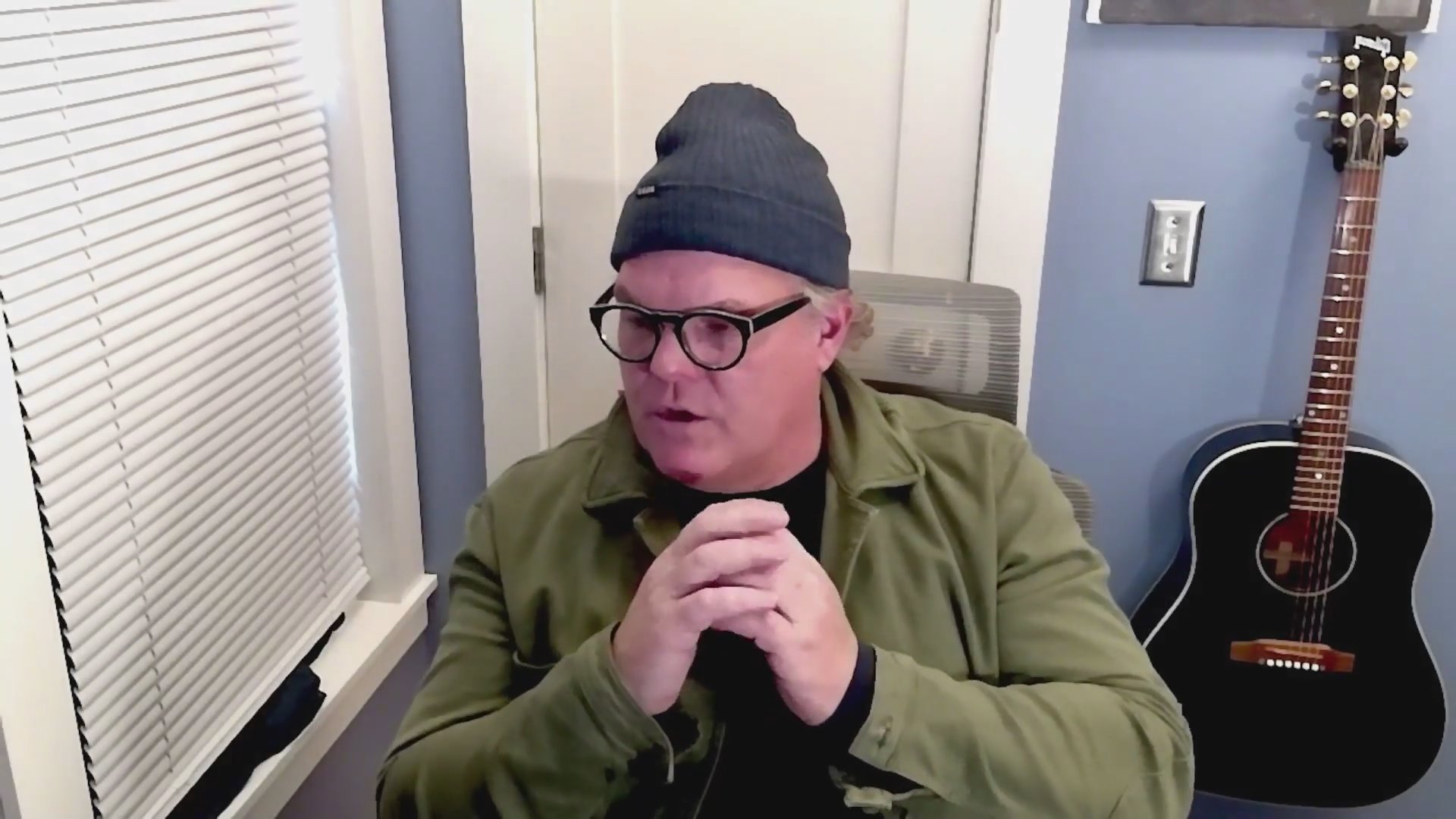
Chris takes us through what to do, where to go, and how to navigate post-sobriety life and the changes that come along with it.
If your son or daughter doesn't want to take recommendations leaving treatment, like going to an extended care or sober living, some sort of structured living situation other than going straight home. What we're looking for is a lifestyle change, community based engagement, like deep engagement in the sober community.
Hi, folks. I'm going to talk about a specific issue here with regard to leaving treatment. A friend asked a question about what if your son or daughter or husband or wife doesn't want to take recommendations leaving treatment, like going to an extended care or sober living, some sort of structured living situation other than going straight home. Because if any of you have heard anything about recovery, you know, the first thing you hear is you can't go back to your friends and your turf and your same situation where you were when you were drinking or using.
This is really, really, really difficult for a lot of families who don't have the resources to go, or there's children and financial situations, and you can't, you just can't extract yourself from that situation. So here's what I would say. What we're asking for, what we're looking for is this lifestyle change, this community based engagement, super engagement, like really deep engagement in the sober community, because we're really looking for a perspective change. And that's where it happens, and it happens in that routine, in that community routine, or I should say, in the routine you build while you're living in the sober community.
That's where the perspective change. And it changes because of 5% of 20 different things or 1% of a hundred different things that you do and see and feel and experience all have this influence on changing the perspective. What a lot of people say when someone really gets better is the light. The light came on, right? That's what we're after. What's going to make the light come on? So in the situation where somebody can't avail themselves of all of that, the structured living, let's just use sober living as an example.
There are other variations of that. Recovery residences, as an umbrella term, cover all kinds of structured living, recovery, recovery residence sort of structure. So my recommendation would be to mimic the lifestyle that we were hoping that you could do. So if you have to go home and you can't live in a sober house, let's just keep it simple like that. Then what are the people in the sober house doing that you can't do at home, and how much of it can you do from home? So my recommendation is always find three meetings, AA meetings, close to your house.
Go to three of them. Go to three of them three times. Pick your favorite. There are some people who have a really hard time with AA, and my advice is, forget about the parts that you don't like, because here's the truth. You need people, and that's where they are. Okay? You've got to meet people in early recovery, and that's where they are. So go to these three meetings two or three times, pick your favorite, and then change everything in your schedule so that you never miss that meeting. Go to the coffee before the dinner, after the dance on Sunday, the picnic on Memorial Day.
Do it all. Become one of the people. Stick your hand out, meet everybody, call people, say yes to everything someone asks you to make coffee or shovel snow at the meeting, or set up chairs. Do it. Do it every week. Head, a**, and overcoat. As a friend of mine used to say, get involved. Head, a**, and overcoat. So living at home, you're missing that constant sort of bustle of the sober living home where you have everybody around you who are maybe annoyingly be taking your temperature all the time, but at least they're observing you.
And if you do have a bad day or you do get down or something's not going well, they'll see it, and you get to share experiences with other people. I mean, really, the most important thing is modeling from others. We watch people make really great decisions in early sobriety. Watch people make terrible decisions and end up drunk in a ditch with no pants on. And you go, I don't want to be there, been there, done that. So from home, just ratchet up the effort a little bit in terms of building the same kind of engagement to the extent that you can.
So here's an example. Go to that meeting that you picked. Find somebody that goes every week, get to be friends and ask them, can we swap? I drive you, you drive me. Or if you're having trouble getting there, maybe ask this person to pick you up. Ask for help. If you can be of help to somebody, say, I'll pick you up. I think it's a lot more likely you're going to go to the meeting if your friend is coming to get you, or you said to someone you would go get them. So let's put these things in place in front of us.
I know myself well enough to know that it's more likely that I'm. I'd rather not call somebody and make up an excuse. I'll probably just go and get them and take them to the meeting. So it's actually increased the likelihood that you go. And these are little tricks, I think, but they work. Make it a point when you're not there that somebody calls you and asks you, where were you? That can be annoying, but it's super helpful also. But I think the real effort here is that the recovery routine becomes a priority.
Whether it's meetings or just having coffee with another person that you met at AA. And I would. I always encourage my new sober house residents. Set up as many coffee events as you can. Ask everybody you know, hey, will you meet me for coffee on Wednesday? And you on Thursday? And you on Friday? And what I think is unbelievable, what is absolutely amazing about this sober lifestyle and community engagement process is when you do that, you don't have to go to that coffee and talk about the twelve steps.
You don't have to talk about your childhood. You don't have to tell war stories about needles in your arm and s***. You just have to be in that chair. You just have to be in the conversation with your sober friend. And here's a little bit of helpful advice. When you do go to those kinds of meetings, focus on them. Ask them about what? What's going on with you. Talk to me. Tell me what's going on with you. I wanna hear it. As opposed to let me throw up in your lap about everything going on in my life.
You'll get plenty of opportunity to do that when you pick a sponsor, which is a really great topic for the next video. So for now, I'd like to leave this one at. There is a way to build the same level of engagement from home. Tougher. It's harder. There are other distractions and there are other things that are going on that make it a little bit different, but not impossible. And I've done this and talked about this with hundreds of people, and I know exactly how to do it and how to build it and how to arrange it and all that, where you get the same benefit from the community.
But I have to say that living with others that are in recovery right after treatment is better. It just is. So we'll leave it at that for this video. See you next time.
Reactions and comments are for members. Joining is free and takes a minute.