Excuses you might hear from someone looking to back out of sobriety
Chris Edrington: When a loved one goes into treatment, family members often compare them to other addicts. He says it's normal for people to make fear-based statements. Edrington says what might work better is real experience and knowledge. Once they're out, we can talk them out of their fears.
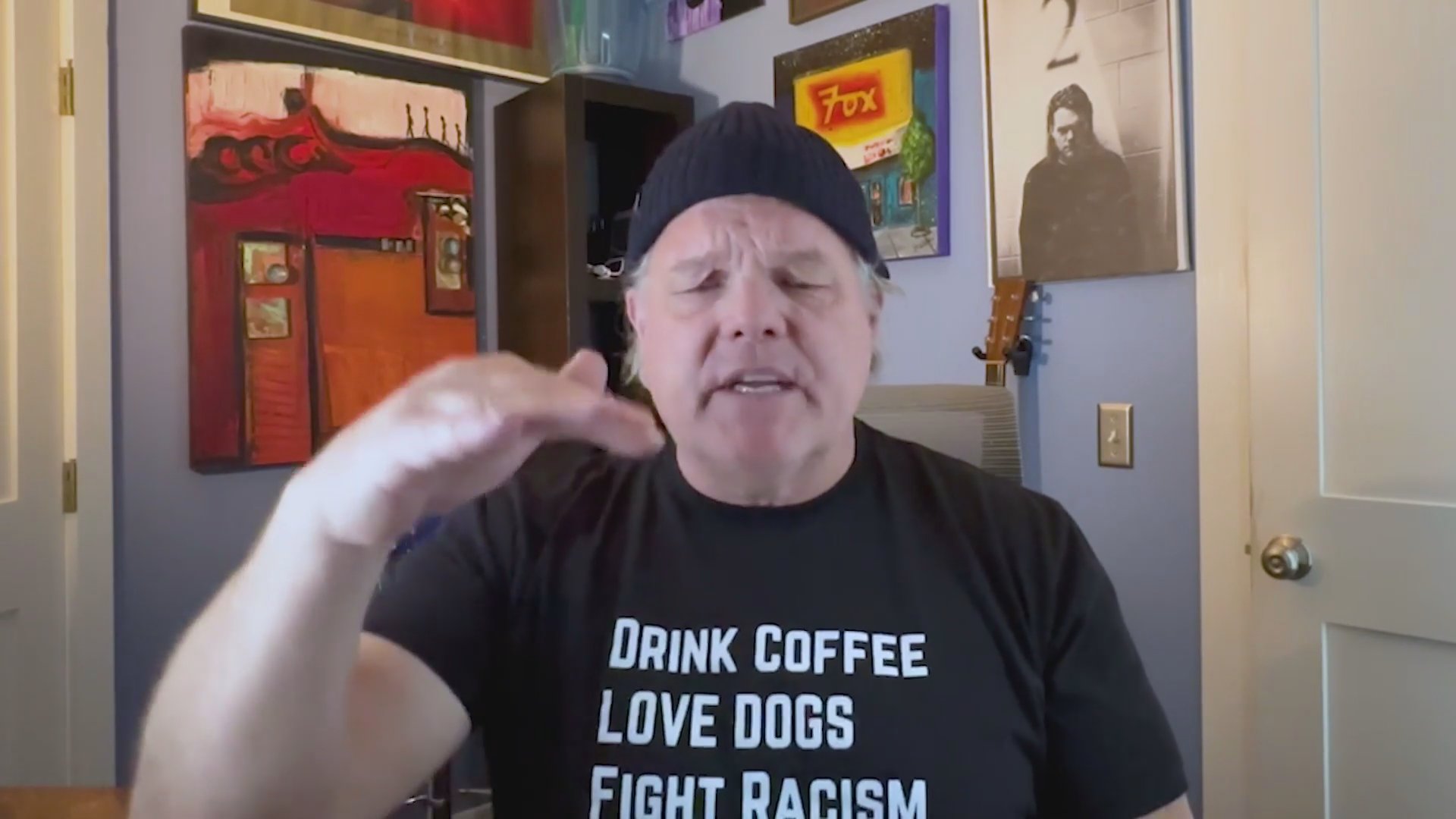
Hi, guys. Chris Edrington from Cadre here. Got a nice one for you. So this is going to be about, you've got a loved one, your son, your daughter, your dad, your mom, your sister, who's in treatment, got him in reluctantly, but it was such a crisis, and everything was so acute. You were able to get them into treatment because there is some relief there. But when they get out and they go home or to a treatment or to a sober living or to an outpatient, whatever's next, that's when the work begins to integrate into the sober community and the things that you hear from them about why they can't do that or don't want to do that, or it's too hard, or I want to go through some of those things that you might hear so you could have a response if you hadn't talked to someone like me in advance.
So the things you'll likely hear from a family member are like, I'm not like these people. I'm not that bad. These people are all worse than me. I promise I'll do this. I promise I won't do that anymore. A lot of bargaining, so to speak, and promises and comparisons, and let me tell you, and one of the big ones is, I'll never have fun again. I'll never be able to go. I remember when I was getting sober, I was like, man, I can't go have a beer with my brother and my dad when I go skiing with them.
And I made a lot of excuses and a lot of fear based statements about what I thought it was gonna be like. I didn't know what it was going to be like. How could I know what it was going to be like? So therein lies the answer, right? So this is totally normal for people to have those questions, to make those statements, and they'll probably go after the person in the family who they think they can get the most leverage with to convince them that it's terrible. I just recently had a client who convinced his brother to come pick him up at treatment and get him out, and he convinced him it was terrible, and they were trying to brainwash him.
His brother didn't know anything. And I think his brother is conspiracy, conspiracy theorist anyway, so it worked. What I want to really focus on is giving the person who's receiving these some knowledge and some leverage and some way to communicate with their loved one about, what can you say? I mean, you can say, what happened to me when I was in treatment in 1998, and I called my brother and I said, hey, man, they're not like me. Everyone's worse than me. I don't belong here. I'm in the wrong place.
You know what he said to me? He said, I talked to a professional in the addiction world and he said that. He told me you would say that. So click. He hung up the phone. So the first thing I would like to do is give some tools to the person receiving these calls. And one thing I think that always works is, you know what, I love you, but that's not really true. And I learned some stuff about this disease and I know some stuff, and I'm not just going off what I think or what I feel. I asked some professionals, they said you would say these things.
They said you would be looking for ways to rationalize leaving. And if you're the parent and you have some leverage, you know, that sort of mixed in there a little bit with you can't. It's up to me. You know, you're not going to have a place to live. I'd be careful with that. Careful with that. I think it's a. I think sometimes leverage is necessary. But what might work better is real experience and knowledge. And they may talk to somebody, their counselor in treatment, and their counselor would talk to them about this stuff and it would make sense and they might see it as more real because it's coming from a professional.
But I think family members are hit with this. You know, maybe the person in treatment doesn't go to their counselor because they know their counselor is going to talk them out of it. Once again, we're talking about things that aren't true. We're talking about fear based fear, right? Just fear based bullshit. Like, I've convinced myself that I'm different, that this is wrong, that I shouldn't be here, that I'm never going to have this, I'm never going to have that. And once again, as you hear me say a lot, once you get around other people who have done this for a long time, you're going to find out not what you thought it was going to be, not what you thought it was going to be.
So give yourself as the person who has a loved one in treatment, a little bit of education so you can say the right things and, you know, not make it not feel really bad about having to say tough s***, you know, I'm sorry, or whatever you, or even caving and going to help them leave, just leave their early recovery wherever they are. I think a lot of people will do this in treatment, but like I said earlier, that's the acute phase, and there's some relief in there. And once they get a little healthier and feeling a little bit, you know, get some food in them, get off the street, so to speak, or get the booze out of their system, they start feeling a little stronger.
They start pushing, like, hey, I got to get out of here. And that's normal. It's totally normal. And the message is, is that they just don't know any better. They just don't know any better. And they need to find that out. I'm sure they're getting it from their counselors, but once you leave treatment and you're back home or you're in a sober house, you don't have a counselor anymore. So what becomes the most valuable thing is the other alcoholic in front of you, the one with all the knowledge, the one with the experience.
So, if your mom or dad or brother or sister, you can tell them, you know, what, you need to go meet people who are ahead of you and ask them what they did when they felt like you feel now. You could say that line to somebody about just about anything, anything they can come up with about how difficult recovery is, or it's, I don't want to do it, or this is wrong, or that's wrong. They're trying to make me a member of a cult in AA. All this is crap. It's all fear. And the only time you hear these projections is when someone is scared of what it's gonna be, and the perception change will make all that fear go away.
So nobody knows what it's really going to feel like. Nobody really knows the future. But, man, I'll tell you, an alcoholic or an addict can convince you they think they do. So my best advice, and I like to use the advice to help people who are not getting any where they're really stuck, and they can't help their loved one or the individual who is also stuck, and they can't make any progress. But what this important, what's important here, is you could prevent someone from actually bailing out and quitting their recovery or leaving treatment, so to speak.
So we want to take advantage of all of these tools and try to help people do the best they can. So I wish you all the best of luck. Look out for your loved ones, and if they're in treatment, find somebody like me and get some help. Lots of really talented people on Cadre with all kinds of different life lived experiences they can share with you about some real, real life stuff. Good luck, everyone. Take care.
Reactions and comments are for members. Joining is free and takes a minute.