How do you recover when trust has been broken in your relationship?
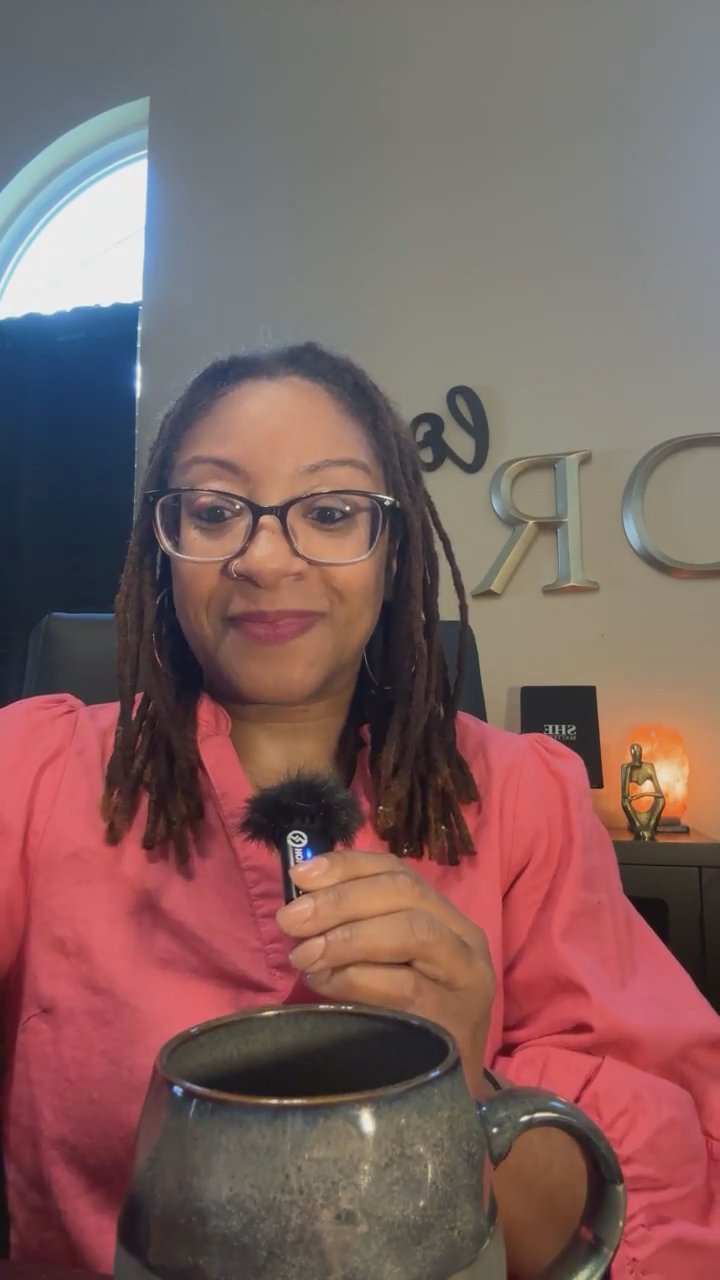
Doctor Leslie Davis is a licensed clinical professional counselor and a relationship expert. Today we're going to talk about rebuilding trust and what does that look like? It's getting kind of humid in the midwest.
We're going to get into talking about rebuilding trust. Trust is defined as assured reliance on the character, ability, strength, or truth of someone or something. When trust is broken, that is a point of disconnection in your relationship.
When trust is broken, we are sometimes in shock. And so rebuilding trust takes time. Consistency in your new behavior is the key to rebuilding trust.
Hello, Cadre. What's up? If you haven't been here before, welcome to my coffee chat. My name is Doctor Leslie Davis. I am a licensed clinical professional counselor and a relationship expert. Today we're going to be talking about something that's, I think it's a hot topic that's related to forgiveness and damaged relationships. We're going to talk about rebuilding trust and what does that look like? But before I get into it, my coffee is not really hot anymore, but I'm okay with that because it is warm.
It's getting kind of humid in the midwest, and this is, like, the worst part of the year for us. We've had a lot of tornadoes lately and storms, and we had a storm in the middle of the night. Welcome. And so it's really humid today. So I don't like that feeling of, like, sweating and being sticky when I haven't even worked out. Don't like it. So today, welcome, everybody. We're going to get into talking about rebuilding trust, and I really like knowing what is the root of words and what does trust really mean.
So I had to look this up. Hi, Shannon. So trust is defined, and I did not write this, y'all. It's in the dictionary, but it's the assured reliance on the character, ability, strength, or truth of someone or something. So, again, I'll read that for you. Again, assured reliance on the character, ability, strength, or truth of someone or something. And so I want you to take some time and think about who do you trust? Why do you trust them? And there are, you know, some sayings that you can't trust anybody, especially nowadays.
It's really hard to find people to trust that are reliable, that are honest. And it's hard to trust someone when you notice that they don't act the same way or think the same way that you do. And so when trust is broken, it hurts. And it hurts sometimes really deeply. And it's a pain that we don't ever forget. And there are people who walk around this earth who have had trust broken in the relationship, and it's never repaired. They've never tried. They never thought about, you know, giving someone a second chance.
It's like, once that trust is broken, that's it. It's a wrap. I'm a big person on forgiveness, and forgiveness doesn't necessarily mean that you have to forget what was done, what hurt you, but you have to forgive in order to move forward, whether you choose to stay connected to that person or not. And so when trust is broken, that is a point of disconnection in your relationship, whether it's friendship, family dynamics, a romantic partner. When trust is broken, it creates disconnection. Disconnection hurts.
You guys know, if you've been following me for a while, I am so big on attachment and having healthy relationships. And when there's pain, when trust is broken, it's hard to come back from that. And so I want to also look at the other part of the definition of trust, which is dependence on something future. So when we trust someone, we are assuming that they are going to be there for us, that we can rely on them. We assume that they are creating a safe space for us. And when they break that trust, we are sometimes in shock.
Like, how could you do that? I believed in you. I held you in this sacred space of my life, and you broke that trust. And so we want to sometimes push that person away. There are some people as well that, you know, especially if you have an anxious attachment style, when trust is broken, you might find yourself wanting to get closer and try to figure out, why did they do that to me? Let me ask them, you know, what's going on? What did I do to make them do that to me? What did I do to make them hurt me?
And so rebuilding trust takes time. If you think about the impact of grief and loss and that cycle of going through the grief process, that's pretty similar to what it feels like when trust is broken in relationship. There's waves that come, right? You maybe are in disbelief, like, this happened. You don't believe that they hurt you. But once that sinks in, you're like, oh, my gosh, they really did do this to me. Or they were really intentional about hurting me, and that hurts, right? And so if you think about the linear movement of rebuilding trust and grief process, if you know anything about grief, grief is not just, you go through this stage to the next, to the next, to the next.
Sometimes the grief process, it's all over the place. It's up and down, it's sideways, and you don't even know when the next phase is coming. And that's the same experience when it comes to rebuilding trust. You can start to trust someone, and maybe they do something that triggers you to remember the pain you experienced when they broke that trust. And so it sets you back. And that setback sometimes is a big setback. So especially if there's a romantic relationship and you trust that person to be faithful to you, and there's infidelity that comes into the relationship, anything they say, what they wear, if they're putting on cologne.
You know, if they didn't come home like the time that they normally do, you're already thinking about what they did before, and you're comparing what's happening now to what happened in the past when they broke your trust. And so that process, it's going up and down, sideways, back and forth. Right. And so what happens is a person who broke your trust, if they admit to that and they say, you know what, I'm sorry, I was wrong. I hurt you, and I know I hurt you, and I apologize for that, we can initially hear that apology, and we might initially accept it and say, okay, I forgive you, but forgiveness takes time.
We can say we forgive someone, but we don't actually do it. Same thing as trusting someone. We can say, oh, I trust you, but in the back of our mind, we're like, we're waiting for them to break that trust again. Right. And so saying sorry for the person who broke trust, saying sorry is not enough. And when you're the other side of it, if you're the person who broke trust, you have to understand the person who experienced that pain is going to need time and they're going to need your consistency.
That is the key to rebuilding trust. Consistency in your new behavior. You have to change. You have to not just say what you're going to do different, but you have to match your efforts and your behavior with your words, and you have to be consistent. You can't do it one time and think, oh, I'm done. You know, I've changed. I'm better. I haven't done it again. Again. That person who experienced that broken trust, they are going to experience triggers. Every now and then, they're going to experience memories.
It's kind of like PTSD, right? It might be something you say or the tone in which you say something that triggers them to the time where you broke their trust. And when trust is broken, tell me if you've been there. I've been there. When trust is broken, you are replaying every moment with that person. When they said this, is that what they meant when they went here, were they really going to see a friend, or were they with that person that they were cheating on with me? Right. Cheating on me with?
Or did they lie about this? Did they lie about that? Right. And so we're replaying all the lies that could have been told. Whether they were true or not, we don't know. But we assume if trust has been broken, we might go back and assume everything they've said or done. Can't be believed anymore. So how do you move forward? If you're the person who's experienced that broken trust, acknowledge that you're in pain and tell the person that you're trying to rebuild trust with that you need time. Let them know if they're doing something that's triggering you to go back to that memory, to that experience of when they really did hurt you.
Whether they're hurting you now or if it's just in your mind, right, that fight or flight might kick in. It's a perceived threat. There's this perceived notion that they might be hurting you and breaking your trust. Again, we don't know unless we have the facts, right? So with rebuilding trust again, consistency and communication, both of those things together being consistent with new behavior and also being consistent with communicating with the person that you hurt and also the person who has been hurt.
You have to be consistent with communicating how you feel when you're triggered and when you're not triggered, when things are going well and when you're hurting again all over again. So let me know what you guys think about that. But I know that rebuilding trust is not easy. I know sometimes it takes a third party, and if you're in that space where you need to reach out to a couple's therapist or if you need a friend to talk to and kind of, you know, throw some things at them, like, okay, should I be trusting them in this moment?
You know, because I did it before and I kind of failed myself. You know, sometimes we lie to ourselves when we trust people and we shouldn't. And sometimes we need outside sources to help us navigate a new way of being and a new way of trusting someone. So I hope you guys are having a wonderful day. Don't forget to get your coffee. Bye.
Reactions and comments are for members. Joining is free and takes a minute.