Note the time change to 4:30, as I have an event in the evening
Jason Lennox: We've got one more Sunday left in recovery month. He wants to talk about amends and perspective when it comes to those. Feel free to chime in. Love hearing from you all.
I'm doing a retreat next weekend and I happen to be presenting steps eight through twelve. 9th step is I go out and actually make the amends of. My idea of amends have changed greatly over time. Two stories demonstrate the difference between amends and apologies.
LZ Granderson says he was wrong about two of his relationships. He says an amend is actually more about what the other person perceives than it is about his experience. Granderson: Get in their shoes and feel what this was like for them.
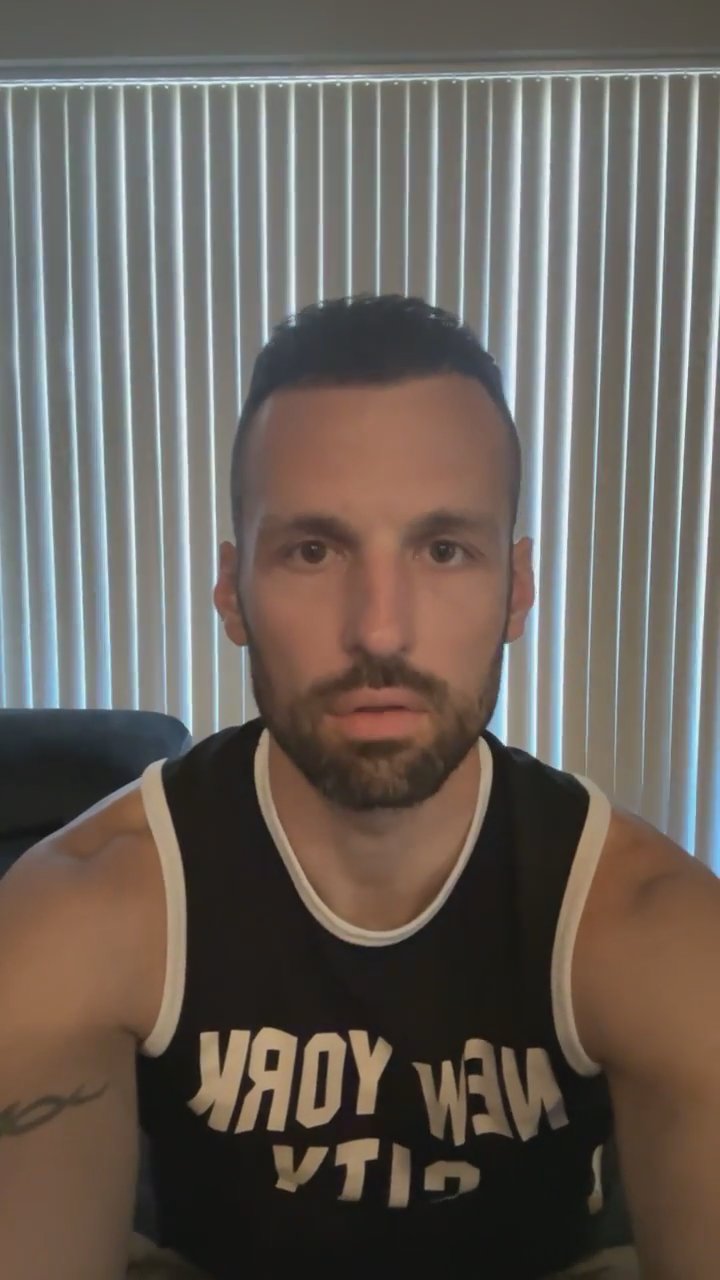
Good Sunday afternoon. Hope everybody's having a wonderful weekend here in the cadres. My name is Jason Lennox and I am your resident recovery champion, coming to you with my series Sunday serenity and a couple hours early here today. I do have an event this evening, so join in a little bit early. So appreciate you. Those of you that are here again, Jason Lennox. And I'm here to talk about all things recovery, mental health, well being. I believe we're all in some kind of recovery. Mine just happens to be from substances, alcohol and things of that nature.
So, you know, tonight I wanted to. This afternoon I wanted to talk about. We've got one more Sunday left in recovery month, which is my favorite of. But I want to talk about amends and perspective when it comes to those. Hey, Jules, glad to see you here. Speak wonder. Good to see you here. Anyone else? Feel free to chime in. Love hearing from you all. But anyhow, amends and perspective. I'm doing a retreat next weekend and I happen to be presenting steps eight through twelve. It's a twelve step retreat.
Apologies. I need to do a little itch here. I'm just rolling in hot from a birthday party, so I didn't get a chance to get set up. So here we are going with it. But I'm doing this retreat. I've been thinking about 8th and 9th steps. So for those of you maybe not familiar with twelve step programs, 8th step just says that I make a list of all the people that I had harmed and I become willing to right those wrongs. And then 9th step, that principle is I go out and actually make the amends of, and my idea of amends have changed greatly over time.
And by the way, I think amends, in keeping our lives clean and free of all that harm, is such a critical component to recovery. Again, serenity is Sunday. Serenity, I think when we're serene and we don't have all those things and we're not being eaten alive by all the things that we've done, we stand a much better chance. So amends, my amends have changed greatly over time, and it always stems from other people. So I'm grateful that other people have taught me along the way. But I want to tell you two stories that really will demonstrate the difference between amends and apologies.
Because apology is often what we do and what we think is the amend, and that's not really the case. So I had only ever actually experienced this one time before and it was my business partner. I'll share that story second, but I heard this just this last week in a meeting that I was in the. For the first time, again, I'd only kind of heard of this concept one other time when it was presented to me, but this time I was in a meeting. So it goes like this. There's a child, there's a kid, a bunch of kids playing baseball, and one of them swings, hits the ball across the street, ends up breaking through a window of this man's house.
And so there are just four attempts here to try. There are four different ways that this guy presented this as kind of the spectrum of apology to a man. So, first of all, first time, kid walks over, goes up to the door, knocks, and said, sorry, sir, you know, I hit this ball, went through your window. Sorry. Hope it doesn't happen again. Just wanted to let you know. Okay, well, that's an apology. That's not an amend. So he said, all right. The second time is the kid goes over and says, look, sir, hit a ball through your window.
It broke it. I'd really like to figure out if there's something I can do to help you. It's a little bit closer, but not quite in amend. Third time, the kid goes across. Third story as he goes across, and he says, sir, I hit a ball through your window, and I'd like to do what I can to help you fix it. And also decided that we're going to hit the ball a different way so that this doesn't happen again. Now we're really getting closer to and amend, because then we're taking actions to avoid it happening again.
Still not completely in an amend. And I was wondering at this point, well, what else is he going to say? I knew there was one more. And again, I hadn't heard this concept in any other way than this story. I'll tell you soon. Fourth time, the kid goes across me and says, sir, I hit a ball through your window. I'm really sorry about that. I would like to figure out how to help you fix it. By the way, I'm also gonna swing the bat a different way. It's not gonna come across. We don't want this to happen again.
But I have to ask, is there anything else that you know could make this right? Is there anything else that I need to consider any other way that this impacted you that I'm not aware of? And the man goes, well, yeah, actually, that's the bedroom of my 85 year old mom, and she's pretty scared. She shook up over the whole deal. So maybe a quick conversation and an apology to her might really make her day like that moment, and everyone in the room goes, yeah. Get it? Got it. Right, like this kid. And I'll get to the lesson.
But brilliant way of describing what an amenda actually is. The second story I want to tell you is a business partner of mine. She's still a business partner, but when we first got into. Actually, before we got into business together, we have a couple recovery homes. Before that happened, we had met each other through a kind of a self development conference, if you will. And we had been talking a little bit, and one of the things we were talking about was relationships. And I had told her that I had these couple long term relationships up until that point, but that I had gone to those women and made things right and made my amends according to the list and just getting in touch with them.
And so she asked me what that was like, and I told her. I went to them, and I apologize, and I asked if there's something I could do, and she said, no, no, no, no. That's not it. Now we're gonna do something. If you want to really be free of this and you really want to make progress in this area of your life, I want you to go back to these women, and I want you to ask them what their experience was like, get in their shoes a little bit and really feel what this was like for them. And, you know, I had two of them, and what.
What was interesting is I did go back to both of them, and I was, I'll say, completely wrong or completely off in terms of how I thought those two conversations would go. The first one is one that I thought was much more damaging for me. It was more crushing. It was one of the first women that I had ever loved, and, you know, I had left her, and it just was not in a great way, and I didn't leave her in a good spot. And then the second one was someone that. It was a little more mutual, the breakup.
And I just felt like, you know, that was. Yeah, maybe there was a little bit there, but really, it was fairly mutual. Not as bad. Turns out, the first one, she didn't really want a whole lot to do with the conversation. Not in a bad way. But she just was like, you know, it's not that big a deal. It's done. It's over. It was a long time ago. It's fine. There's nothing to really talk about. The second one is the one that I thought would, you know, be fairly mutual and not a whole lot there. And she really, really laid out on the line, how it was for her and it was not good.
So there I was completely wrong in, you know, just my assessment of how those two things would go, how those two conversations would go. I learned a huge lesson. I got to let them actually share what it was like for them, at least in the second case. And then I realized that, you know, an amend, and this is the lesson I'm getting at, an amend is actually more about what the other person perceives. It's about their experience. And for me to run around thinking that I'm going to go clean up all the things I've done wrong isn't a whole lot of progress in terms of my ego, because I am deciding, determining, thinking.
I understand and know the harm that I've done to people in my life when the reality is I don't know what these experiences are for other people. And those were very important lessons. So for me, it was really about when I do this kind of exercise and I understand that I need to go clean something up. One of the things I need to do is really get in that person's shoes again and lay on the line an opportunity for them to share. How did this really impact you? What was your experience of this situation?
And again, time and time again, I've gone into something thinking that I've done something incredibly terrible on that. It must have crushed someone. And again, some of that's ego because I think that my actions are that powerful. But then sometimes I underestimate. I missed a mark that way on that end and, you know, have no idea. But the bottom line is we just don't know. We, again, I said this last week, we put together what we think is a story based on the facts that we know and what the imagination really brings to light for the rest of the picture.
And unless I really know how somebody's feeling and what their experience is, I just can't be sure that I'm right there and that I have all the information. So it's very important to me. I bring that to you in hopes that if they're the little things, it's big things. These things used to be scary. They did. Like, how am I going to go make these things right? The good news is we learn not to continue living with these kinds of behaviors. And so I don't have as much to clean up. But when I do, when I do have someone to make something right with, I know how to do that.
Now. The tool is what was it like for them? And I get to look at them as opportunities I know that on the other side of making things right, cleaning up my side of the street, is freedom. It's freedom and peace. It's the serenity I talk about all the time. And that's what's key and critical. If we're going to live this kind of life that's satisfying, that's joyful, and that doesn't have me searching and seeking outside of me for all that comfort and that satisfaction. So again, amens. They're a great tool, an asset in my recovery, in all our recoveries.
And I think in life in general. If we could do more of this, we'd all be a little better off. But I think the big thing that I learned seven years into my recovery is the amendment that what I think is there. I mean, that's about half the battle. The other half of that story is, how did somebody else experience it? Because that will determine what I need to do to make that right. Or perhaps there was nothing. Perhaps I'm overthinking, which happens often, too. So again, a man's critical, critical, critical function of recovery, but then doing them and making them in a way that really has me get into other people's shoes to experience it even more critical.
So I hope, I don't hope you all have a ton of those to go and make and a ton of things to clean up. But hey, we all mess up. We're all human. We keep doing this. And if you do have some of those things out there that are outstanding, take that for what it's worth. Get out there and really ask that person. And it gives that person the opportunity to share, feel heard, feel validated. So it really just lends well to the relationships that we're in. Anyway, hope you all have gotten something valuable here.
Thanks for stopping in on a Sunday afternoon. I'm going to get ready. As I mentioned in the, in the description, I've got an event here. So thanks for the time change. Go get ready and, you know, do what I can to clean things up where I can this week and think about it from someone else's perspective. Hope you all have wonderful weeks, and we'll see you back here next Sunday.
Reactions and comments are for members. Joining is free and takes a minute.