Host discusses how to assess real change in relationships by distinguishing short-term consistency from lasting behavioral longevity, using examples of repeated boundary violations and invitations to test whether new behaviors are genuine.
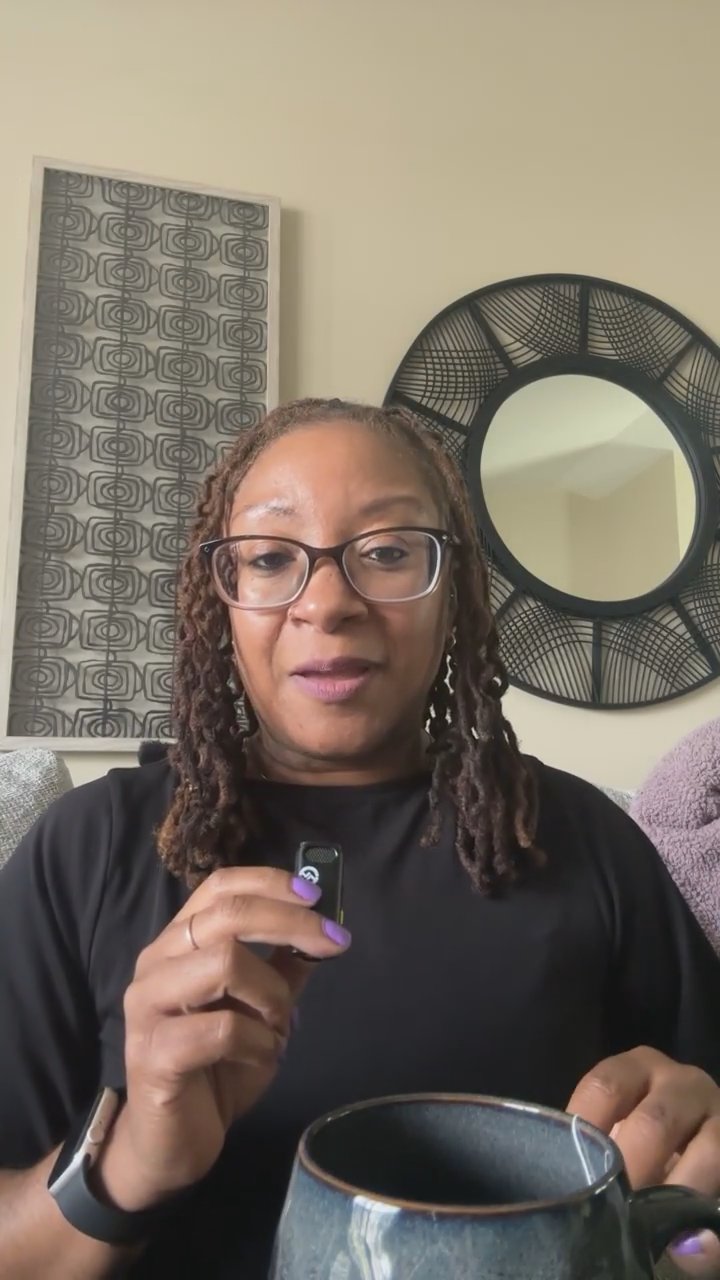
Guess what had that upside down. I actually do not have coffee today. I decided to get some tea, some mint tea, organic mint tea from Target. One of my favorite places in the world.
How do you know that a partner is really changing? There has to be longevity. Without consistency and longevity, those two things together, the new behavior is something that you might have a hard time trusting.
How do you know that the behavior is real without testing it? How can you see consistency with a new person's behavior without testing their behavior as being changed? For next week, there's another topic related to longevity that I wanted to dig into.
Guess what had that upside down. Hey, Cadre, I am back. I actually do not have coffee today. I decided to get some tea, some mint tea, organic mint tea from Target, one of my favorite places in the world, if you know, you know. Right. So today I want to talk about relationships, of course. But looking at consistency and longevity when we're looking for change in our partners or within ourselves. And this came up in a few sessions with my clients last week. Hi, Anna. And I asked my client to think about, how does she know that her partner changed?
Because there were some things going on in the relationship, and you guys, you may have experienced this where there are things happening in relationships and where our partner's like, I'm going to change. I'm going to change. Maybe they cross our boundary. And we told them, hey, I need you to stop doing this. And so how do we know that their new behavior is legit? How do we know that it's genuine? How do we know that it's really real? Right? And my client responded with, well, they're being consistent.
Okay, so there's change that happened. They're consistent with this new behavior. So they stopped doing what they were doing before that was hurtful, and so they're not doing that anymore. But does that mean that it's something you can trust? And so what I explained was that the key that was missing. So it is good to have consistency, but when you're looking for change in the relationship, you have to have longevity. And I'll give you an example of this. So maybe there's, let's say your partner is inviting people to the house.
You know, you guys, you live together, they're inviting people over, and they have no concept or boundary with their time. And so they allow guests to stay over late at night, when maybe you have to work the next day, and you really want their guests to leave, but you brought this up to them several times, and then eventually they're like, okay, I'm going to stop. Well, how do you know that that behavior is something that is genuine, that they're stopping? Is it just for that one time, or are they being consistent over a long period of time?
So you know that that change has really happened within them because they're consistent with the new behavior over a period of time. Right. So we get hurt in relationships when someone says, I'm sorry, I'm sorry I did that, I'm sorry I hurt you, and I'm never going to do that again. And we might hear that over a period of time. We might hear that, I'm sorry, I'm not going to do it again. I'm sorry, I'm not going to do it again. And they just keep doing the same behavior. That's hurtful, even though we've brought that up to them several times.
How do you know that that person is really changing? There has to be longevity. So without consistency and longevity, those two things together, the new behavior is something that you might have a hard time trusting. And let me know if that resonates with you, because I've noticed this in not just romantic relationships, but even with family dynamics, where we've asked someone to stop doing something that's hurtful to us, and they say, oh, I'm not going to do that. And then years later, they do the exact same thing that we asked them not to do.
We thought they changed, but without that longevity combined with consistency, we can't trust it. And have you done that yourself? So is there behavior that, and not just in relationships, but is there behavior you find yourself repeating where you say, oh, I stopped doing that. Like, I'm gonna stop eating that cake, and then you do it later because you haven't had any longevity with how long you stopped that behavior. We do that to ourselves. It's tricky. So it's just something a little nugget I want to give today.
I didn't have much to share today, but thinking about longevity in relationships with behavior, I think this is just a new side note that's just coming up as I'm talking about this. And that's part of what I do, I process in the moment. I really did not have anything planned today, but when we're looking at longevity in relationships and how to trust that, one thing that's coming to mind is how do you know that the behavior is real without testing it? So how can you, sorry. If you guys can hear that truck going by, how can you see consistency with a new person's behavior without testing their behavior as being changed?
And is that for you? Is that your job to do? Is it your job to test them? Or should they be testing themselves to see, are they being genuine with themselves about changing? Let me know what you think, but that's all I got. I don't have much today, later this month. So for next week, there's another topic related to longevity that I wanted to dig into, but I just want to give you a little nugget today. And again, I don't have coffee. Maybe that's why my brain's not connecting today, but I'm going to drink this tea, but you guys enjoy the rest of your afternoon.
Or morning. Whatever. You're listening to this, but see you later. Bye.
Reactions and comments are for members. Joining is free and takes a minute.