One of the myths of our society is that when kids become adolescents, they have to break away from us, and that means that we have to lose our relationship with them. And then they’ll come back after college. Maybe. My experience is different. And I think a lot of people have had a different experience as well.
My daughter's 16, and we're as close as ever. I want to challenge the myth that says our teenagers have to go away from us in order to find out who they are. At the end of the day, it's us. that determine the relationship that we have with our children.
It's always great to see you. You're so wonderful at coming and supporting us contributors. And I wish everybody a wonderful weekend. Love your kids, love your partners, love yourself, peace.
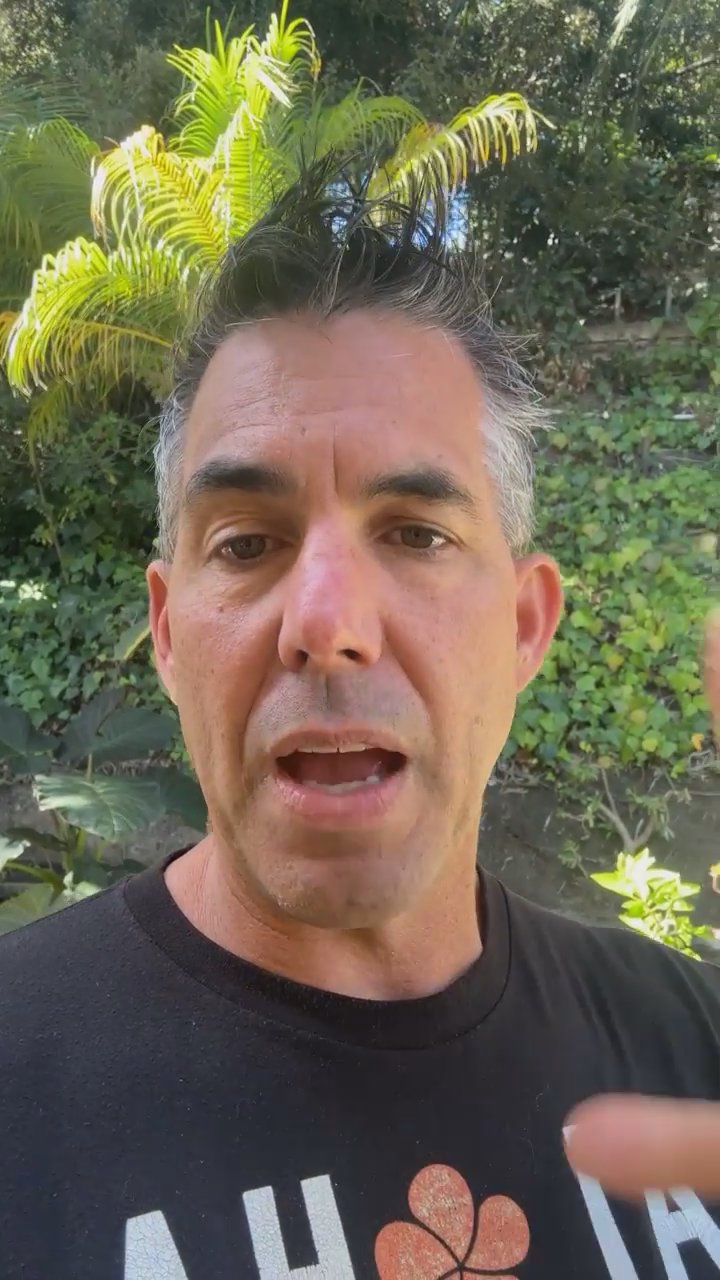
All right. Hello, Cadre Sphere. Yeah, it's Saturday. It's the second Saturday. That means it's conscious fatherhood. And I thought, what I do today is actually connected to some stuff that happened in the past week. So this idea that, hey, you can actually still be connected to your teenage. Because, I don't know, when my daughter was born, we were already connected to this myth that said, enjoy your time with them, because once she turns teenager, she's gonna hate you. You're gonna be at odds. You're not gonna talk to you.
There's gonna be all this stuff. She's gonna be sullen, she's gonna be moody. She's gonna be this or that, all this sort of stuff. Right? And I will also say that from the moment we thought about it, we defied it, we said, no, we're gonna create an intention that says it doesn't have to happen like that. And guess What? My daughter's 16, and we're as close as ever. So I'm in a band. We played a show Friday night, and after that show, talking to some friends. And one of the guys is a friend. He's a brother of a good friend.
Hadn't seen him in a little while. He's like, oh, how old is Grace now? And I was like, oh, she's 16. He's like, oh, don't worry. She'll come back to you, maybe in about five or six years. And I was like, what? And he said, yeah, you know, all that stuff. And I was like, no, there is no stuff. We have no stuff. We have a close relationship. And of course, I know many parents who have close adult relationships or close relationships with their teens, but I know many that don't that have bought into it.
And then they interpret the moodiness and the behavior, and then they. I don't know, they step away, they detach, they disconnect. They let that mean something that it doesn't necessarily mean. There's all that sort of stuff. Right. And. Well, I don't know. It hasn't happened to us yet. And I don't think it has to happen. And I think that's really important. I think that's a really important thing. Is she becoming an adult? She is. Is she getting her independence? She is. Is she getting more and more of her own personality and her own views and her own opinions and of that?
Yes, of course she is. But we're right there along with her, and we're encouraging it and we're supporting it, and we're having this wonderful conversations about her independence and about this experience that she's able to have. And that, to me, like, I don't know how other people are parenting. All I know is that I want to challenge the narrative and the myth in our society that says our teenagers have to go away from us in order to find out who they are. I think it's bullshit, and I think it's damaging to our relationships.
And, you know, I. I don't really know a whole lot what else to say. I'm not trying to judge parents necessarily who are in that situation, but I am trying to encourage them to say, hey, it doesn't necessarily have to be that way. Don't necessarily believe what I think is a lie in our society that says because they're teenagers, they now have to be stuck in their rooms and not communicating and, you know, all this kind of stuff. And, you know, we could get into the helicopter parents and how that affects teenagers, and we can get into, you know, other kinds of parenting and how that affects the relationships.
But, I mean, I think at the end of the line. At the end. At the end of the day, right, at the end of the day, it's us. It's us, the parents, that determine the relationship that we have with our children for as long as they are our children. And the degree to which we believe that has to change, I suppose, is the way. The degree to which it will change. But the truth is, the real truth is, right, is that we get to walk that journey with them and we can stay with them the whole time. Is my daughter in her room a lot?
She is. And sometimes I knock on the room and I say, hi, how you doing? And when she comes home from school, she greets me. And now she's driving, and she's like, hey, she drove the other day, and she just. She drove a half mile, and she texted and said, hey, got here safe. That's awesome. Right? You want to know why? Because her mom and I are loving, secure, attached. I mean, I'm not secure attachment, but I have a secure attachment with her. And that makes a difference. That makes a difference.
So once again, I think it comes down to the parents. So screw that myth. Screw that narrative that says we have to lose our kids, we lose our teenagers, because, you know, they're teens. Yeah, it can be tough, and, yeah, there can be tension and, yeah, you know, there's. I mean, we have lots of wonderful little conflict and arguments and stuff, and it's. It's beautiful because we navigate it. She apologizes. I apologize. Her mom apologizes. When we need to, we clean it up. Sometimes we have to draw some lines and say, what?
You know, no, what are you thinking? But she respects us and she trusts us, and she knows that we have her best interests at heart. And we also know how to back off when something's important to her and give her the dignity of her own experience, even at 16. So I'm not saying we're perfect parents. That's not my point. My point is we're as close to her as we've ever been, and that's pretty freaking awesome. And if you don't have that experience with your teenager for whatever reason, I would say believe it's possible and look at what's happening that might be getting in the way so that you can create it.
Because it may. It's probably not too late. So those are just some of my thoughts. Speak, Wonder. It's always great to see you. You're so wonderful at coming and supporting us contributors. And I wish everybody a wonderful weekend. And you know what? Love your kids, love your partners, love yourself, peace.
Reactions and comments are for members. Joining is free and takes a minute.